

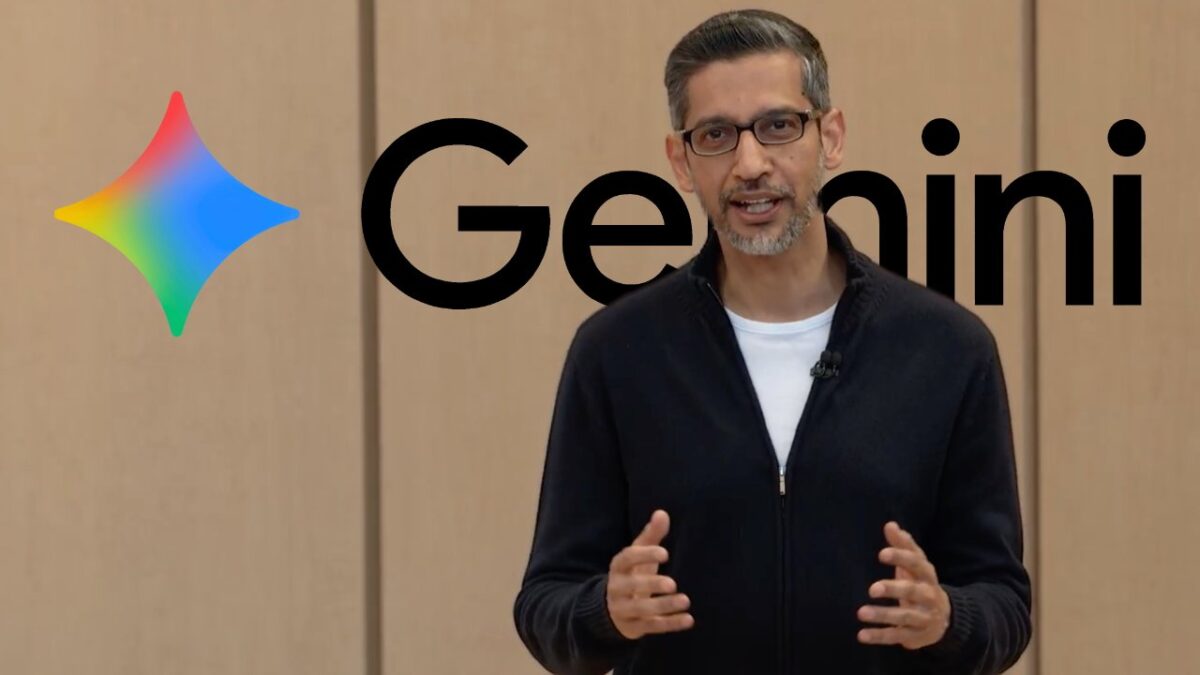
Google’s I/O conference typically serves as a platform for exciting announcements, but this year, it left many wondering about its impact—especially after Apple leveraged Google’s AI innovations in a significant way.
Although entertaining in its own right, this year’s event perhaps drifted toward what some might call filler. The presenters frequently paused for applause that often failed to materialize.
Watching from the audience, one could sense an almost palpable disconnect; it felt as though there was a communication barrier between the stage and the seats filled with passionate tech enthusiasts. If you’ve ever been on stage, you could empathize with the awkward pauses that seemed to stretch indefinitely.
Attendees, generally enthusiastic about technological advancements, often find themselves in a celebratory mood. Yet, this time, the atmosphere felt muted, almost as if Google hadn’t successfully engaged even its most loyal supporters.
Audience Reaction
A wave of skepticism and disappointment emerged across social media platforms, even as some announcements received praise. Many enthusiasts expressed confusion about the future of tech despite some impressive features.
While positive remarks were present, a larger section felt a disquieting sense of uncertainty, as if Google was content to impress a tech-savvy crowd without considering the broader audience.
Presentations focused on technical aspects, but these figures often lacked practical meaning for average users, raising more questions than they answered.
Analyzing the Presentation
Google I/O’s timing relative to Apple’s WWDC is strategic; it’s a chance for Google to assert its technological superiority. While Apple’s polished video presentations engage viewers effectively, Google could benefit from refining its live format.
Moments of logistical struggle occasionally hindered viewer engagement. Presenters concentrated on technical capabilities but missed conveying their application and benefits to users, often burdened by unnecessary jargon.
Excitement was often met with confusion, and the company’s tech language frequently shut audiences out rather than drawing them in.

An example of the new features showcased.
The relationship between AI advancements and user experience appeared tenuous, with claims rarely grounded in practical usage scenarios. Many attendees felt that Google detached itself from real-world applications.
Looking Ahead
This should have been a banner year for Google, especially with advancements in Android. Despite the opportunities for groundbreaking presentations, many left confused about the direct impact of these developments.

Futuristic concepts presented during the conference.
As the disconnect between ideas and audience understanding continues, future conference strategies may need reevaluation. Clearer, user-centered messaging will enhance understanding and excitement.