

The Decline of 8K: Are We Leaving Ultra-High Definition Behind?
As the decade approached its midpoint, technology enthusiasts believed the future lay firmly within the realm of 8K television. In 2012, a major brand unveiled its first 8K TV prototype at a trade show, capturing the industry’s imagination. By 2015, Japan saw its first commercial 8K TVs sold at a staggering price. Three years later, another brand brought the concept to the American market, with an entry-level model starting at a high price point.
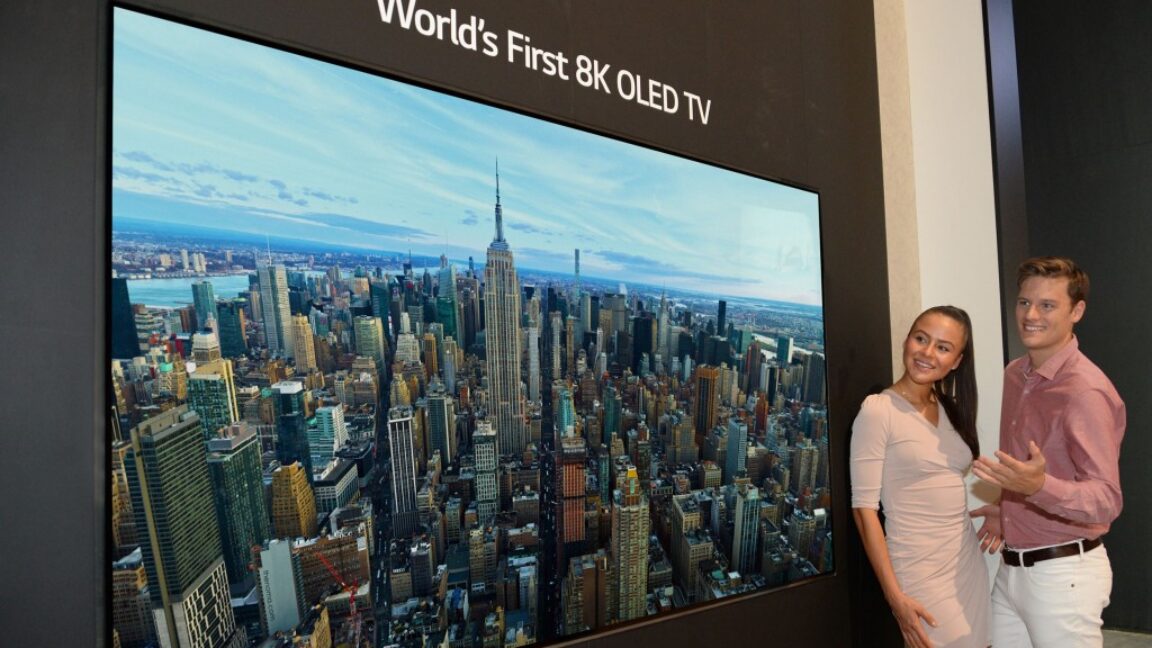
Progress seemed swift as various standards emerged for supporting 8K displays. By 2016, the Video Electronics Standards Association (VESA) rolled out its DisplayPort 1.4 specification, followed closely by HDMI 2.1. A notable company joined the fray in 2017 with its 8K monitor. As 2019 rolled in, another brand introduced the first 8K OLED TV, reinforcing the industry’s confidence that 8K was the inevitable next step in entertainment experiences.
Yet, the anticipated demand for 8K television has not materialized as hoped.
TV Manufacturers Pivot Away from 8K
Recent reports indicate that a major display manufacturer has decided to halt production of both 8K LCD and OLED panels, noting a shift in focus toward current display technology trends and the evolving 8K content landscape. There is readiness to pivot back to the 8K market when consumer demand suggests it’s appropriate.
This company had been a pioneer in the space, introducing the 8K OLED experience with a large model in 2019. The company even attempted to make this technology more accessible by lowering the price of its 8K OLED TV in 2022, reflecting a significant reduction.
Further insights revealed that this manufacturer plans to stop restocking its 2024 model, marking the end of its LCD 8K offerings. This shift is not isolated; other brands are stepping back from the high-resolution frontier as well. A competitor stated that low consumer interest would prevent ongoing production of its last 8K model released in 2021. Another brand has discontinued its last 8K televisions and is poised to shift control of its line to another brand.
The initial promise of 8K as a game-changer in the television landscape may now be turning into a cautionary tale about the appetite for ultra-high-definition displays.
Key Takeaways
- Market Demand: As manufacturers reassess their strategies, it’s essential to consider the role consumer demand plays in these decisions.
- Cost vs. Value: The price point of 8K televisions often surpasses the perceived benefits, leading buyers to opt for more practical solutions.
- Technological Evolution: The journey from 4K to 8K could serve as a lesson in understanding market readiness and consumer education.
- Brand Direction: Companies can rapidly change course based on shifting trends, raising questions about long-term commitments in tech innovations.
- Content Availability: The lack of sufficient 8K content is a notable factor influencing the rates of adoption and sales declines.
As consumers, we should reflect on what advancements truly enhance our viewing experiences and whether the industry’s push for higher resolution serves our needs or their sales goals.