

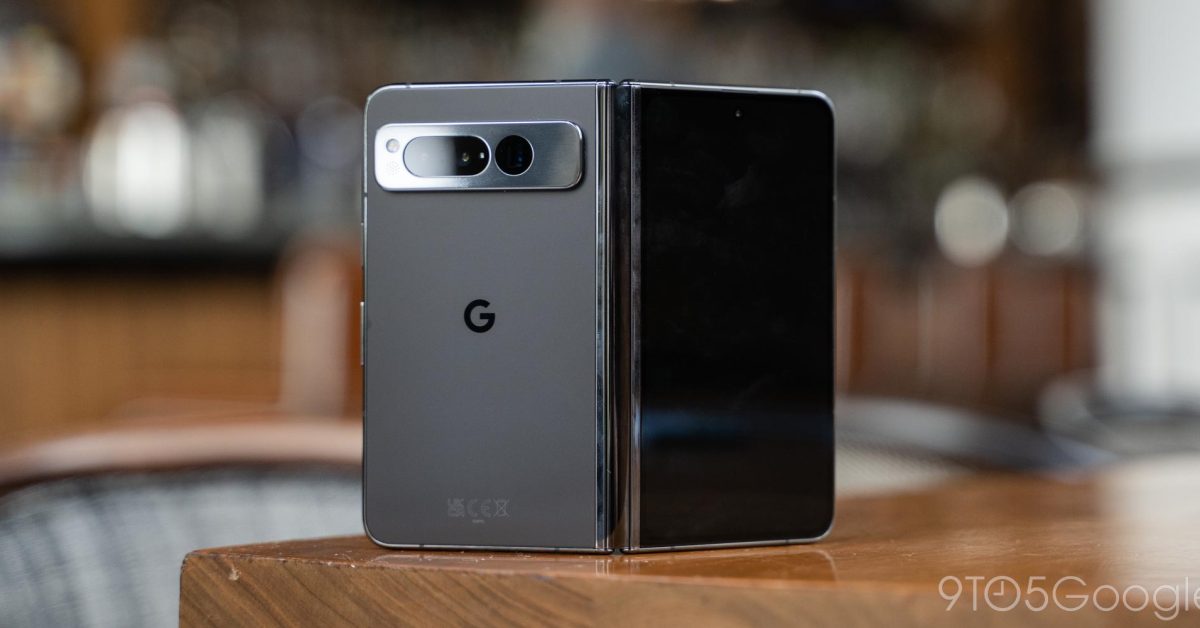

The emergence of foldable smartphones has significantly transformed the mobile industry over the past few years. The Android landscape has primarily gravitated toward two designs: compact flip phones and book-style devices with larger screens. With the “iPhone Fold” on the horizon, Apple seems poised to reintroduce a form factor that has often been overlooked by Android counterparts, raising questions about why such innovative designs have struggled to gain traction.
The Oppo Find N and Pixel Fold: Lost Opportunities
Several unique foldable designs were unveiled, with Samsung’s Galaxy Fold pioneering a taller exterior that revealed a vertically-oriented inner display. Other brands, such as Huawei, explored different concepts, but Oppo’s Find N redefined the category with a compact and robust design, offering a user-friendly outer screen and an expansive inner display.
Google’s Pixel Fold adopted the same compact style of the Find N but on a larger scale. This resulted in a promising experience despite some technical limitations, presenting challenges that rendered certain apps less effective compared to the more traditional Galaxy Z Fold.
Samsung’s Leadership and App Dynamics
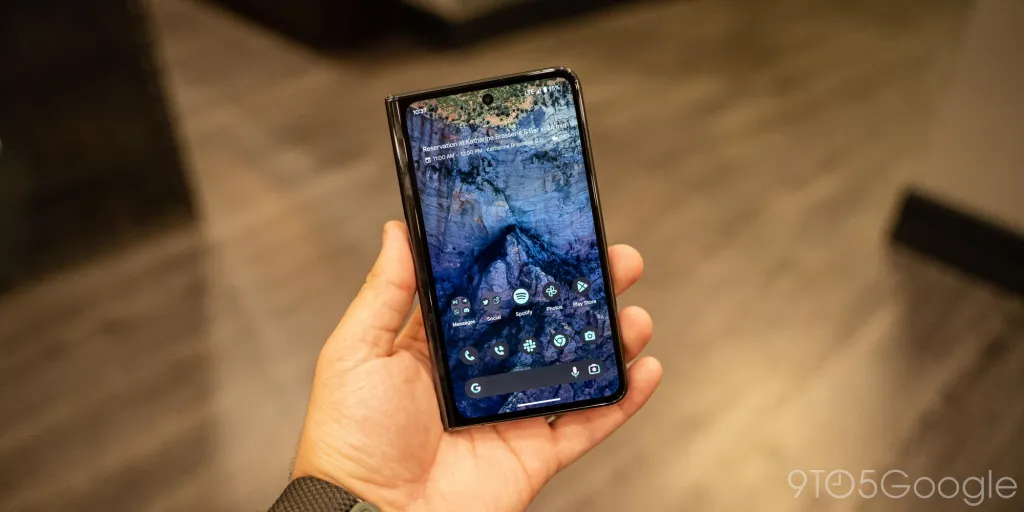
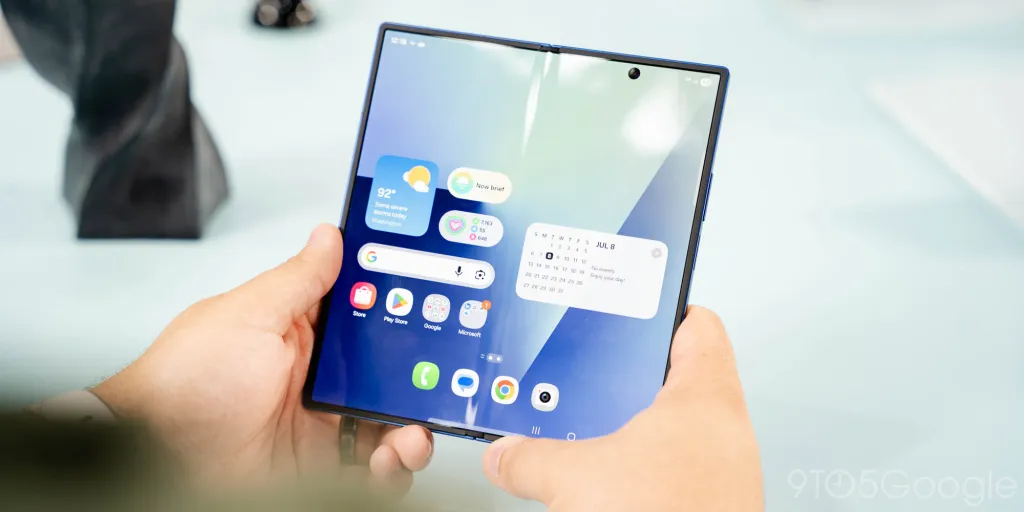
Samsung advanced its Galaxy Z Fold model, which often faced critiques over its limited outer screen usability. Despite Oppo’s successful style, the shortcomings were primarily due to app compatibility. Many Android apps struggled with the unique screen dimensions, hindering usability for many users.
While the apps on Android have improved, particularly with the Galaxy Z Fold, compatibility posed issues for various applications. Wider formats can be less accommodating for certain apps that didn’t adjust well to the Pixel Fold’s unique dimensions.
Apple’s Strategic Shift
With Apple set to introduce its iPhone Fold, the time is ripe for innovative form factors to make a return. This upcoming device is expected to feature a more accommodating screen layout, with a 5.3-inch outer display and a 7.7-inch inner display, adjusting from the Pixel Fold’s dimensions.

The success of the “iPhone Fold” relies on app compatibility. Developers typically respond faster to Apple’s design shifts, giving Apple an edge as apps are better optimized for emerging hardware.
Android Responds with Imitation
The imminent launch of Apple’s foldable device has spurred a flurry of activity among Android manufacturers eager to emulate this design. Samsung’s exploration of a “Wide Fold” and similar efforts from other brands indicate that many are keen to keep pace with Apple’s innovations.
Android brands once spearheaded these designs but now find themselves rushing to adopt a concept that Apple is reviving. The success of new wide foldables could depend on improved app compatibility and user experience.
Key Takeaways
- Foldables have yet to saturate the market fully, with brands exploring various designs.
- Simplicity in form factor can yield better functionality and user experience.
- App compatibility remains integral to satisfaction on foldable devices.
- With Apple entering the foldable arena, the competitive landscape for formatting could evolve rapidly.