

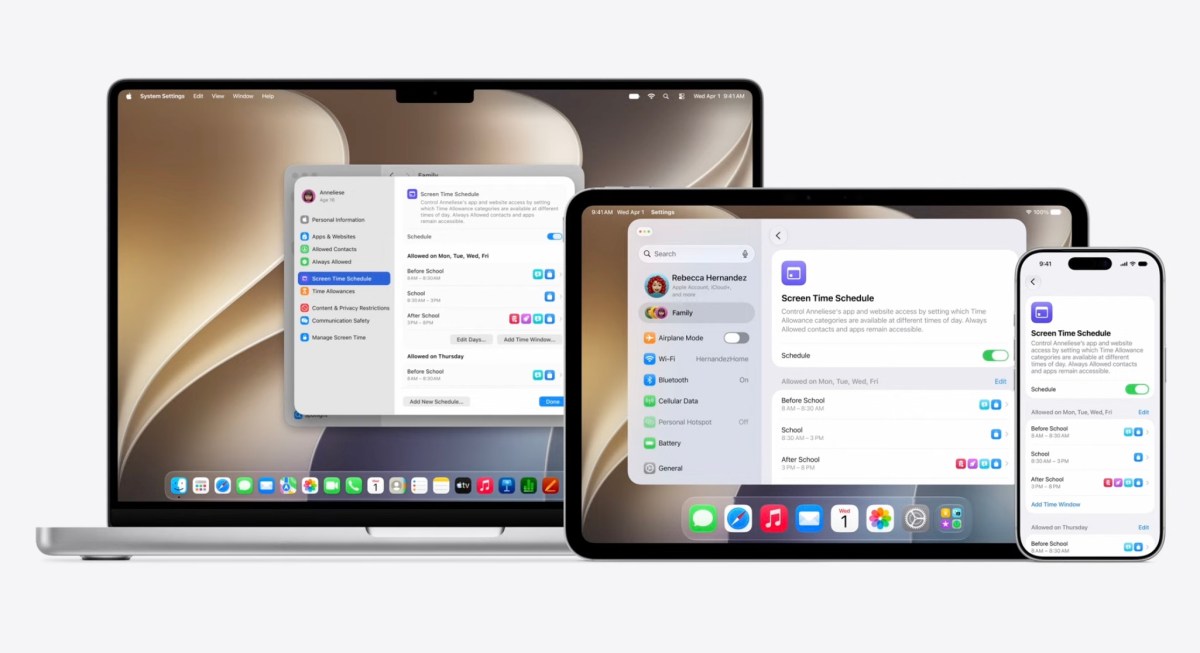
During its recent WWDC 2026 event, Apple unveiled innovative tools aimed at enhancing parental controls for children using iPhones. These features allow parents to determine who their child can contact, which apps they have access to, and what websites they can visit. Parents can also block unwanted messages, create screen time schedules, and filter suitable apps for their children.
Apple’s new approach builds on existing Screen Time options, adding more nuanced controls to help parents manage their children’s iPhone usage. As concerns about how technology affects kids’ mental well-being have grown, new regulations are pushing for greater oversight of digital interactions among minors.
When setting up an iPhone for a child, Apple customizes safety features according to the child’s age. Adult websites are automatically restricted, and only age-appropriate content is made available in the App Store. While parents can modify these parameters, Apple now offers additional layers of control.
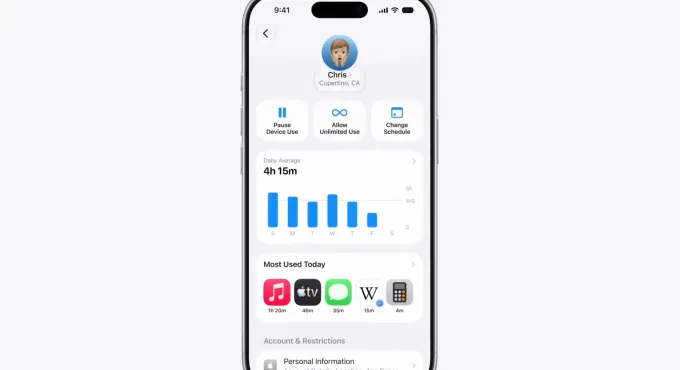
This new flexibility enables parents to initially limit their child’s access only to what they deem appropriate, with the option to expand permissions later. During setup, Apple provides tailored app suggestions, allowing parents to choose between a minimalist approach or a more expansive selection of apps. This is particularly relevant for younger users, such as tweens, who may not require exposure to the full range of social media aspects typically available on an iPhone.
Furthermore, parents will gain better oversight of their children’s web browsing. The “Ask to Browse” function is a significant feature, allowing kids to seek approval before visiting certain sites while also being universally applicable across all Apple devices using Safari. This works alongside the “Ask to Buy” function, which is enabled by default for children under 13.
Contact management also gets an upgrade, allowing parents to oversee who their children can add as contacts. This feature further extends to blocking potentially harmful media, including explicit content in text messages. Similar tools already exist for filtering nudity to reduce risks associated with sexting.

In terms of application management, Apple’s Screen Time feature allows parents to create scheduling parameters for when their children can access specific apps. This control can be effective in limiting social media use during school hours while permitting access on weekends.
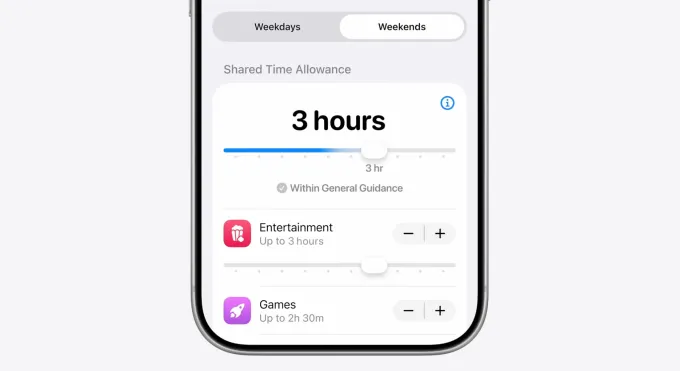
A significant enhancement is that Apple is now leveraging expert recommendations to offer initial guidelines on screen time, taking into account the child’s age and app type. Collaborating with organizations like the American Academy of Pediatrics, Apple is prioritizing recommendations against letting children under 13 use social media apps.
The redesigned Screen Time feature offers a user-friendly interface, making it simple for parents to track their children’s device usage and update controls effortlessly.
On the developer side, Apple provides a comprehensive set of APIs allowing app creators to implement safeguards against inappropriate content, manage contact approval requests, and ensure children’s age compliance for app usage.
These advanced parental controls will be available once iOS 27 is launched later this fall.
Key Takeaways
- The updated iPhone parental controls now offer more detailed management options tailored to a child’s age.
- Parents can control which apps and websites their children access, enhancing online safety.
- The new “Ask to Browse” feature streamlines web browsing, requiring approval for site visits.
- Expert recommendations inform initial screen time guidelines, reinforcing sensible usage.
- Apple provides tools for developers to maintain safe environments within their applications.
- These features will be part of iOS 27, set to roll out in the fall.