

New Overwatch Character Sparks Debate Among Fans
Blizzard Entertainment is set to introduce five new characters to Overwatch next week, but one of them is already stirring up significant conversation within the gaming community. The latest addition has many players feeling a sense of familiarity.
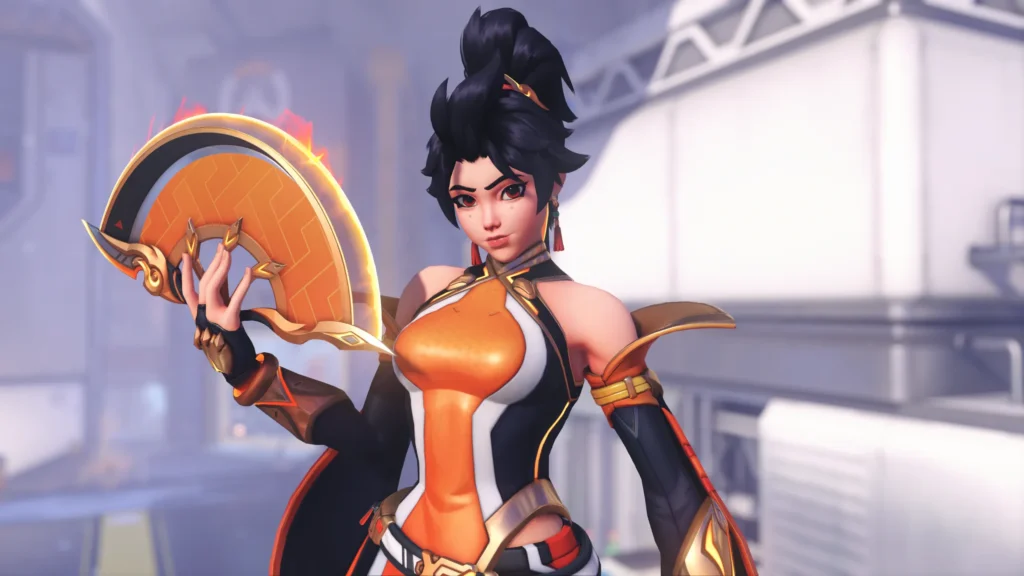
The character in question is Anran, rolled out as an early access hero for players eager to test her abilities. Anran embodies fire powers and is introduced as the older sibling of Wuyang, the water-controller. Yet, her design raises eyebrows—could she be a fresh face in a sea of déjà vu?
A recurring theme has emerged: many fans have likened Anran’s appearance to that of existing Overwatch characters, particularly Kiriko and Juno. This has led to a critique often referred to as “same-face syndrome,” where new characters bear a striking resemblance to older ones.
Complaints have previously surfaced about characters such as Widowmaker and Ashe, with players noting similar traits in their designs. Earlier iterations of characters, including Brigitte and Mercy, also drew comparisons due to their shared characteristics.
Some fans argue that Anran’s design is so reminiscent of Kiriko that she could almost be viewed as a new skin rather than a stand-alone hero, differing primarily in hair and outfit. Questions also arise regarding Anran’s youthful appearance, especially considering her role as Wuyang’s older sister.
Social media platforms have buzzed with critiques about Anran’s design, highlighting how it appears to be a regurgitation of previous models. One user encapsulated the frustration: “How is it possible to have so many artists and still end up with such a lack of diversity in character design?”
While Anran is just one part of the ongoing dialogue around character design, it raises broader questions about gender representation in video gaming. Similar critiques can be found across various games; for instance, Miary Zo from Tekken 8 faced backlash for resembling other female fighters.
Original concept art for Anran presented a character with more defined features that were lost in the transition to the 3D model. Instead of showcasing a distinctive and mature design, her in-game appearance leans toward a rounder, more generic look that mirrors existing characters.
This change from original sketches to the final version has prompted fans to take action, with some offering alternative designs that reflect Anran’s initial artistic vision. These fan-made interpretations frequently elicit favorable responses from other players, suggesting a yearning for unique character identities.
It’s essential to consider the technical aspects of character design. Reusing a basic facial model is common in the industry to facilitate smooth animations and save time. However, questions arise about why female characters are disproportionately affected by this trend compared to their male counterparts.
Cultural biases may influence the design process in favor of certain beauty ideals, leading developers to produce characters with similar “cute” features. Consistent visual styles may inadvertently limit the potential for diverse character designs.
This situation highlights the importance of compelling character aesthetics in gaming. When each new hero begins to feel nearly indistinguishable from the last, it raises concerns about the creative direction of the game moving forward. Anran’s unique abilities may not be enough to overshadow the concerns regarding her design.
Key Takeaways
- Debate on Character Design: Anran’s launch highlights ongoing discussions about character aesthetics in gaming, particularly regarding gender representation.
- Same-Face Syndrome: Many characters face criticism for their striking similarities, including Anran’s comparisons to existing heroes.
- Fan Reactions: Online discussions capture a significant divide in player sentiments, with some expressing disappointment over character diversity.
- Cultural Influences: Discussions are ongoing about beauty standards and their impact on character designs, particularly for female characters.
- Visual Identity Matters: Unique character designs help maintain player interest and engagement, raising questions about creativity in future game developments.