


Smartphones have become the central hub of modern computing, yet various contenders have emerged over the years, from smartwatches to augmented reality glasses, each striving for the title of “replacement.” However, they all encounter the same dilemma: the smartphone’s design is incredibly efficient, and it’s unlikely we’ll find a viable substitute anytime soon.
In the 1990s and 2000s, several devices attempted to mimic smartphones, such as PDAs, slide-out keyboard phones, and BlackBerry devices. However, it was the introduction of the iPhone in 2007 and the release of Android phones a year later that truly shaped the smartphone landscape we know today—a sleek rectangle featuring a generous touchscreen, adaptability for orientation, and powerful browsing capabilities.
Fast forward to today, while smartphones have seen countless upgrades, the fundamental shape remains mostly unchanged. They still primarily exist as flat rectangles equipped with prominent displays and multiple rear-facing cameras. Flexible designs have emerged, but so far, no radically different model has proven itself as a worthy replacement.
The Versatile Device
It’s essential to consider how many functions smartphones encompass. Today’s phone can act as a camera, music player, internet browser, fitness tracker, newsletter aggregator, calendar, to-do list, and, above all, a communication tool. Many industries, such as portable audio, have largely dissolved, with options now limited to low-end devices and niche products.
Just a few years ago, satellite phones represented the pinnacle of connectivity for those in isolated locations, but now some smartphone models offer that capability for free, illustrating the device’s remarkable versatility.
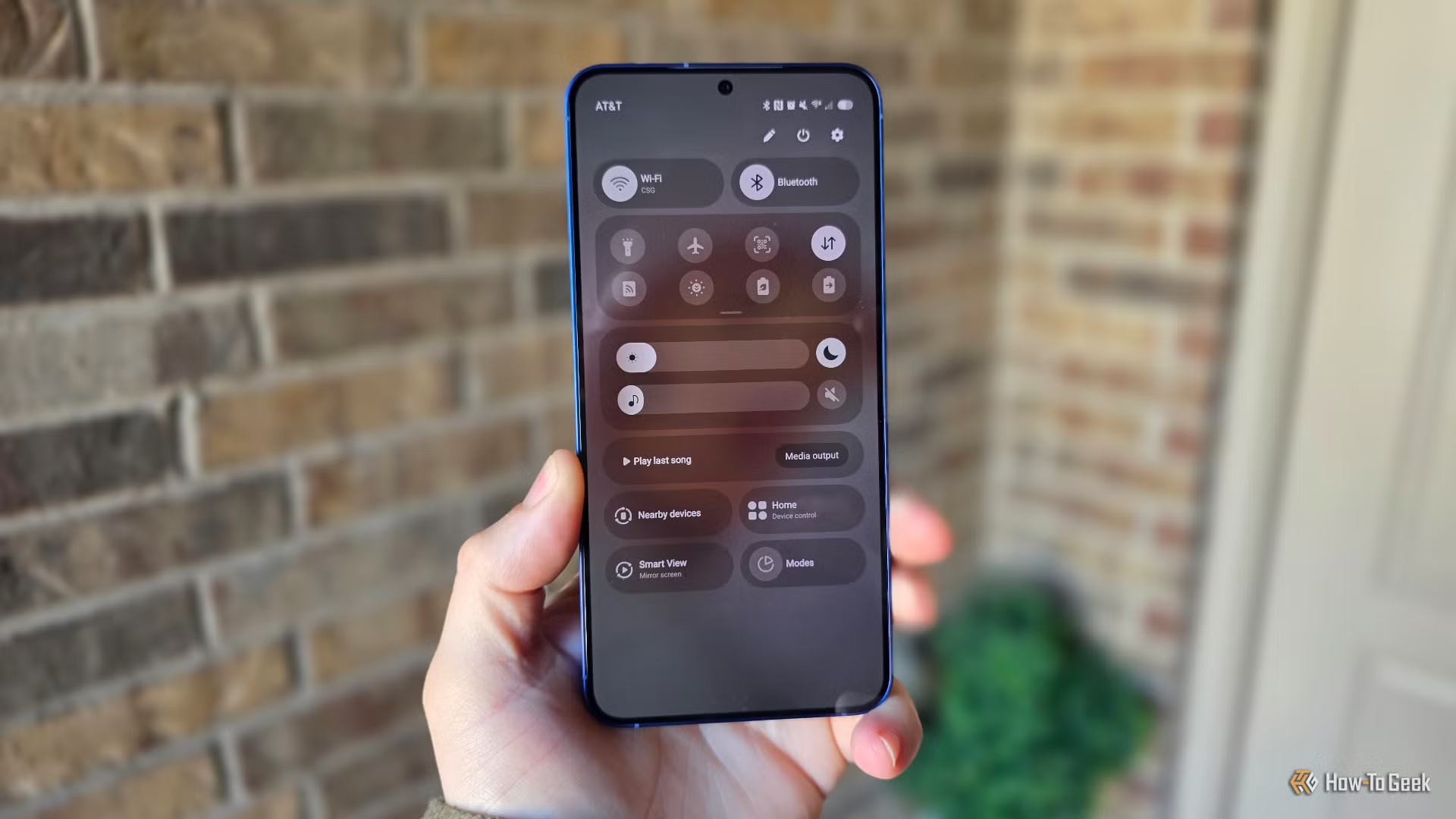
The capabilities of a smartphone touchscreen have led to its evolution into a highly versatile tool. The technology has matured to the point where it can serve as a game controller, video display, keyboard, and even a digital book. Competing devices often struggle to match this functionality, particularly when it comes to text input.
While newer devices, including high-end augmented reality headsets, are inching closer to matching smartphones in clarity, they still face significant hurdles in terms of cost and practicality. For example, the latest headsets demand complex technology and steep prices, which makes them less accessible than conventional smartphones.
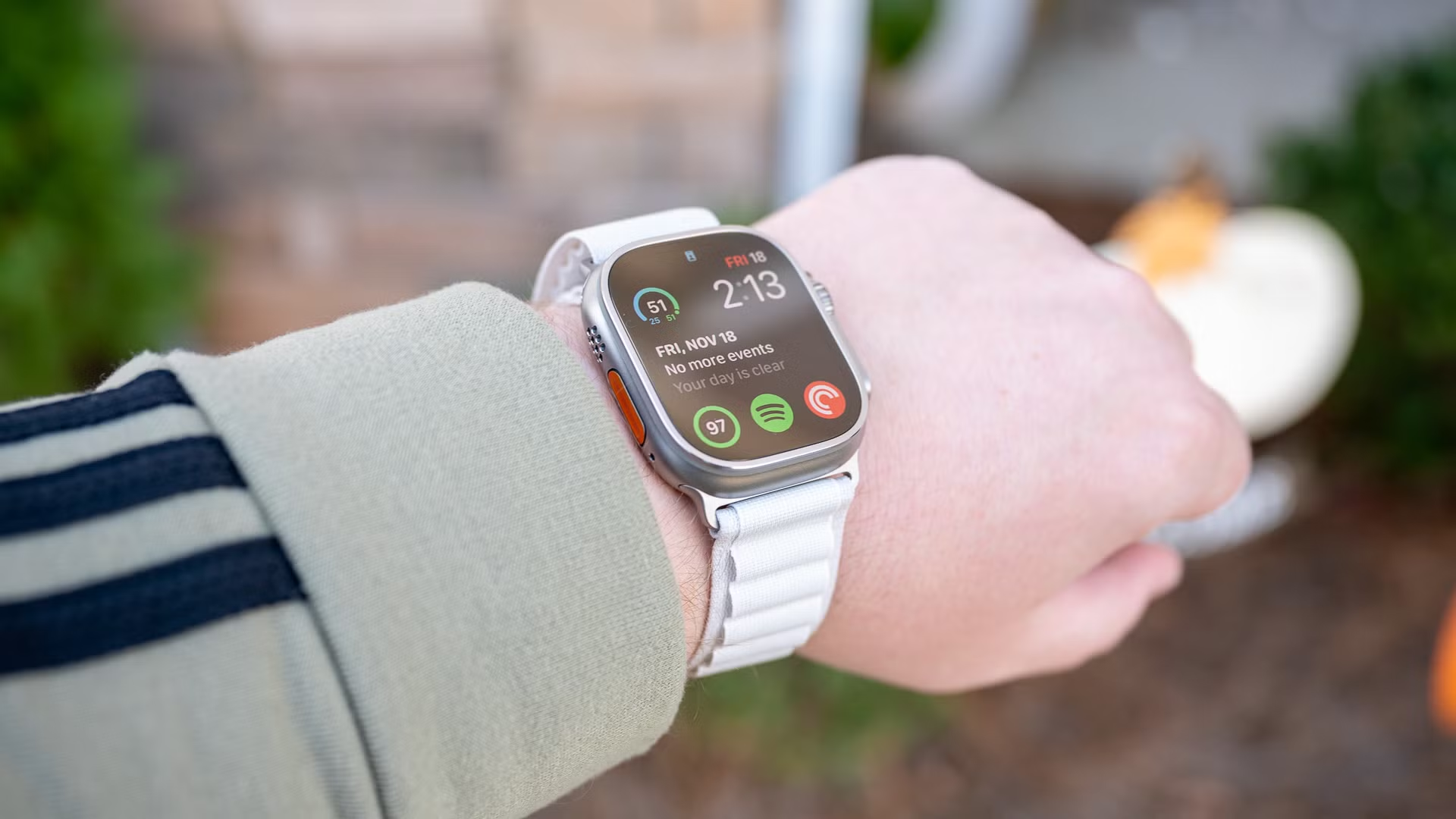
Any potential alternative must address nearly all the usage needs currently met by smartphones. Most recently, smartwatches were marketed as a replacement, but they’ve mostly ended up as supplements to smartphones due to their limited utility.
Additionally, many recent innovative gadgets, like voice-controlled pins, sought to function independently of smartphones. Yet, these devices faced limitations, especially regarding input methods, making them less feasible for widespread adoption. For instance, the Humane AI Pin attempted a range of functionalities but ultimately fell short due to its lack of a screen and diverse input capability.
Augmented reality glasses have also made headlines, but they often require connection to a smartphone for full functionality. Even if that dependency were addressed, these glasses would likely still struggle with user interface issues, durability, and overall usability when compared to a smartphone.
Identity and Challenges
While the smartphone’s basic form may seem nearly flawless, their individual implementations often leave much to be desired. Many models come with built-in obsolescence, limited repair options, and potential to promote unhealthy behaviors through their apps and notifications. Features once considered essential, such as headphone jacks and expandable storage, have fallen by the wayside.
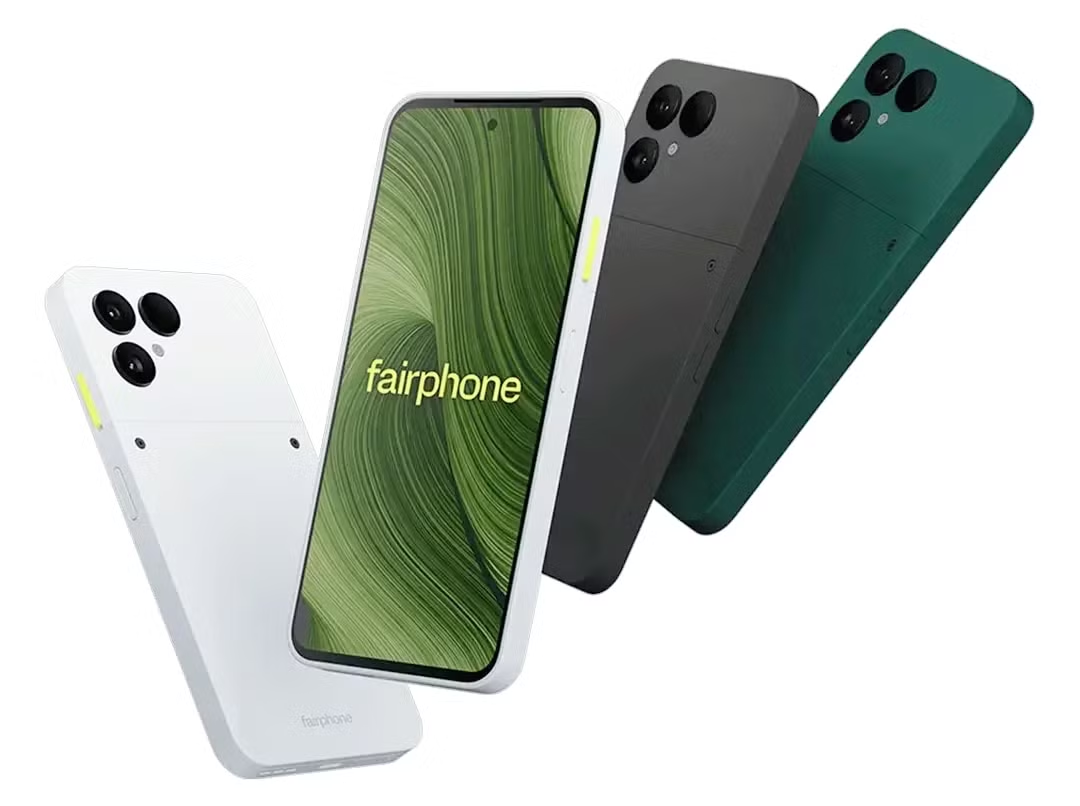
However, these drawbacks aren’t intrinsic to the smartphone’s design itself. More supportive models exist, like the Fairphone 6, which emphasize repairability and user autonomy. Yet manufacturers often prioritize profit over user satisfaction, limiting repair possibilities and support.
Should no legislative changes arise to mitigate the downsides presently observed in smartphones, similar issues are likely to plague any new alternative. Whether smart glasses gain traction or not, they would arguably inherit existing challenges, from invasive notifications to app limitations and non-repairable hardware.
The last decade has solidified the smartphone’s role in our lives. Wearables may work as alternatives for some, particularly among children, but they haven’t managed to replace the classic pocket rectangle. Until we see groundbreaking advancements in areas like battery or chip technology, skepticism surrounding the idea of a “smartphone replacement” remains warranted.