

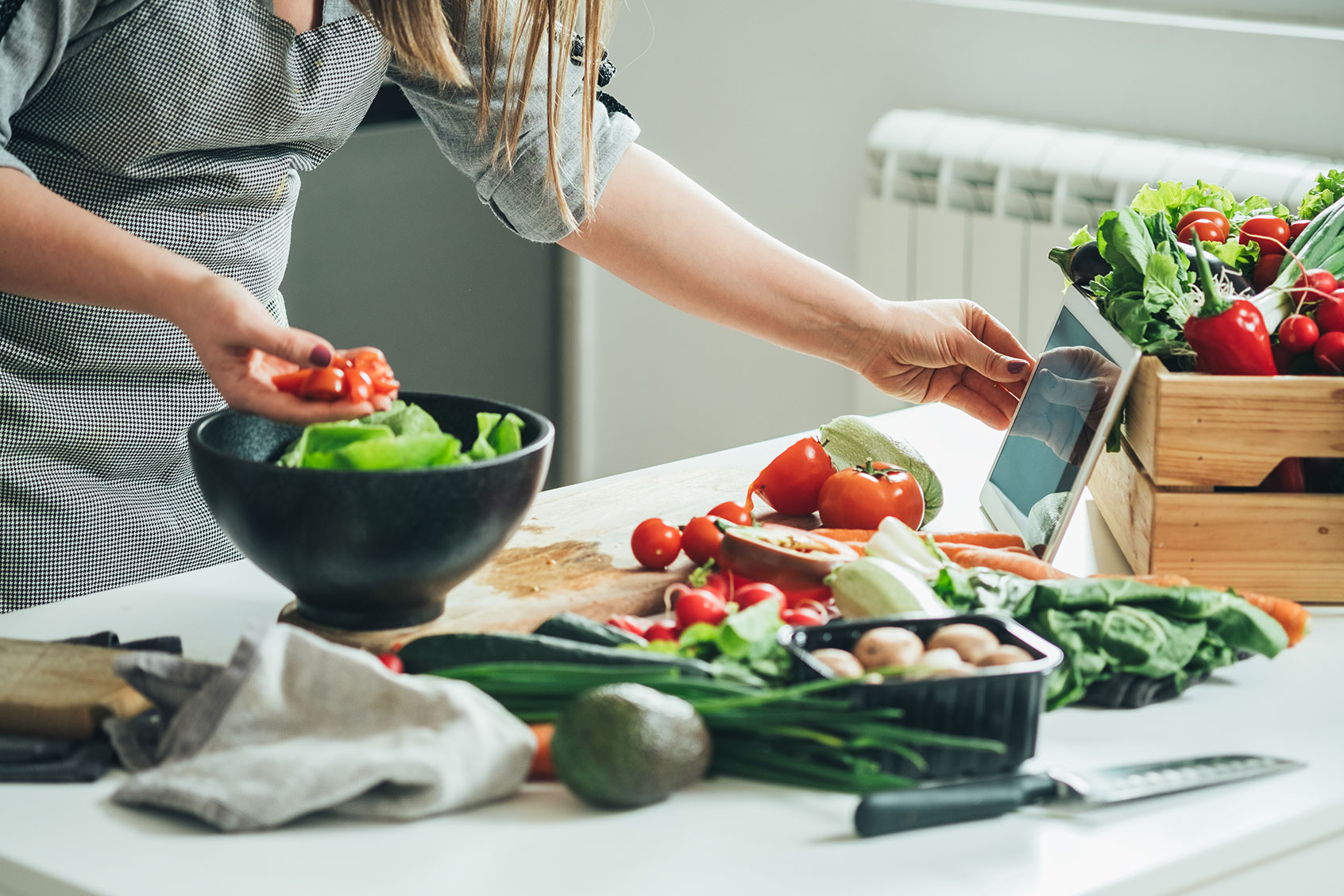
As the clock strikes 8 pm on a Thursday, the familiar grumble of hunger echoes through my apartment. My fridge holds an assortment of ingredients—some kumato tomatoes, a couple of lemons, mini pears, apples, a box of arugula, and eggs—while my pantry offers staples like pasta, rice, and beans. Yet, my hunger has left me indecisive. Instinctively, I reach for my phone, open up Uber Eats, and place an order from my favorite local spot. Relief washes over me, quickly overshadowed by a pang of guilt.
I’ve been ensnared in a complicated relationship with food delivery services. The allure of indulging my cravings is powerful, but these services have become a default choice I struggle to resist. What starts as one takeout dinner spirals into a pattern—dinner today, breakfast tomorrow, lunch right after, and potentially dinner again. The costs are mounting, and the experience feels increasingly hollow. Finally, I’ve asked myself, “Is it time to remove these food delivery apps?”
The usage of food delivery services skyrocketed during the pandemic, particularly among younger generations. Nearly three out of four restaurant orders are made for consumption elsewhere. About 37 percent of adults engage with delivery services weekly, rising to 41 percent among younger demographics.
Yet, attitudes about these delivery services are complicated. Users are aware of the advantages and pitfalls of frequently opting for delivery. Benefits include greater choice and the eventuality of social gatherings or opting to stay home. Conversely, concerns about impulsive spending, increased food waste, guilt, and inflated credit card bills arise.
Food delivery services, while beneficial for some, can easily develop into a detrimental habit. After wrestling with my dependence on these apps, I concluded that saying goodbye to them was in my best interest. The tipping point came when I reviewed my spending and made the decision to delete these apps entirely.
The Illusion of Convenience
Food delivery apps thrive on the promise of ease but can prove deceptive. This “modern convenience” might feel tempting but ultimately drains us. It allows for instant gratification while detaching us from the meaningful act of cooking. A study found that individuals in areas where these apps have gained traction spend nearly nine percent less time cooking each day.
That very percentage resonates with my own kitchen, where I’ve noticed dust accumulating on my Dutch oven. After a few days of relying on takeout, I began to forget what it feels like to have a personal connection to my food. Questions sprang to mind: What tomatoes made it into my meal? How was the chicken seasoned? What ingredients comprised the dressing? How much time went into its preparation?
The Hidden Costs
The financial impact of food delivery services is daunting. Between service charges, delivery fees, taxes, and tips, the cost quickly escalates. Reviewing past receipts, a single order from a local restaurant could exceed $52 for just a few items. In a year when food prices have risen significantly, continuing this behavior seems unfeasible.
While food inflation rises, making groceries more expensive, restaurant prices have not escalated as steeply. It is becoming economically challenging for many families.
The Ethics of Delivery
High commission and service fees enforced by food delivery apps adversely affect restaurant profit margins. These platforms reshape competition within the restaurant industry, pushing small establishments towards closure.
Food delivery drivers also face uphill battles. As independent contractors, many lack minimum wage guarantees or benefits, leading to subpar working conditions. Recent regulations aim to improve these conditions, but industry pushback highlights ongoing disputes over worker rights.
The complexities surrounding food delivery create a landscape without clear benefits. One of the most meaningful acts we can take is to reclaim our kitchens. Cooking allows us to celebrate the simple joys of food preparation.
This evening at 8 p.m., I’m opting for simply roasting my kumato tomatoes and scrambling some eggs. It may seem like a small choice, but it’s fulfilling in ways that ordering takeout never was.
Key Takeaways
Reflecting on food delivery apps can lead to several insights:
- The appeal of convenience can overshadow the long-term benefits of cooking.
- Frequent use can strain your finances, often without realizing the total cost.
- Your relationship with food is influenced by how you acquire and prepare it.
- There are ethical considerations regarding the impact of delivery apps on local businesses.
- Choosing to engage in home cooking can enhance your appreciation for food.
- Being mindful of consumption can lead to healthier eating habits.