

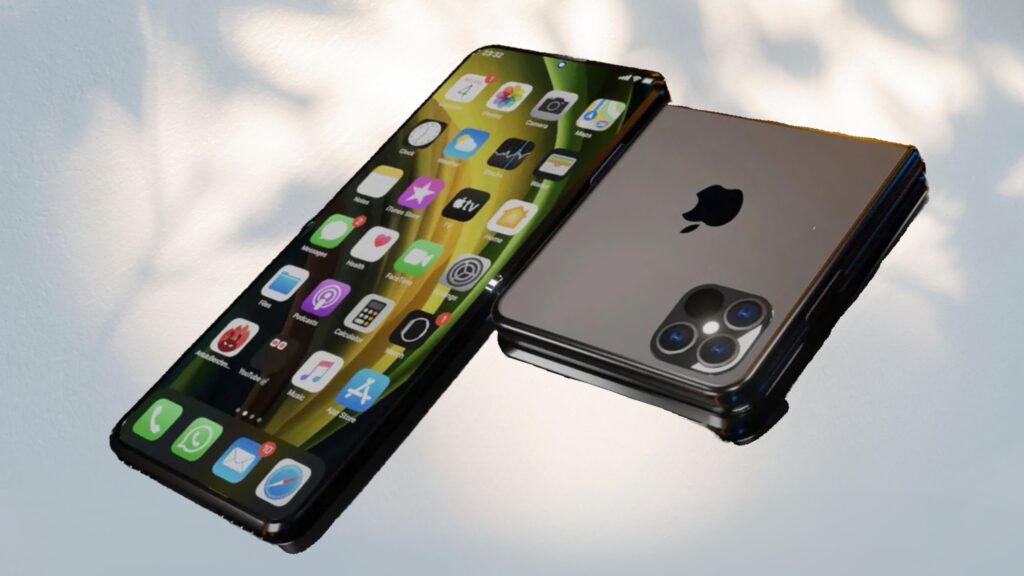
Apple is generating excitement in the tech world with whispers surrounding its anticipated foldable iPhone. As the launch of the iPhone Fold approaches, there are speculations about a potential second foldable device—a flip-style model that may be called “iPhone Flip.”
While many are eager to see the features of the iPhone Fold, the possible sequel is particularly intriguing. Reports suggest that Apple is exploring this compact design, potentially following the footsteps of other popular flip phones.
The notion of a flip-style iPhone is enticing. For anyone considering a foldable device, this would be a top choice.
Affordability and Compactness
Pricing is a primary concern for many consumers regarding foldable phones. Devices like the iPhone Fold could approach the price point of $2,000, largely due to advanced technologies involved. Current shortages in electronic components could also drive prices even higher.
Size is another crucial factor. Although manufacturers are refining designs, foldable phones still tend to be bulkier than their non-folding counterparts. A more compact design can be incredibly appealing for those juggling other items in their pockets or bags.
Flip models might carry a hefty premium, but they could be priced below more elaborate foldable options, making the iPhone Flip a more practical choice.
The Advantage of Cover Displays
Flip phones have a unique charm, especially with cover displays that allow users to check notifications or messages without unfolding the device. While larger foldables might replicate smartphone screens, the necessity of such functionality can be questioned.
Flip phones offer concise information quickly through their cover screens, enhancing efficiency and preserving compact design.
Software Compatibility
iPhone users often face frustrations with apps optimized only for smaller screens. Larger devices, such as tablets, can experience similar issues. Thankfully, software compatibility on the forthcoming iPhone Flip is expected to be user-friendly, mirroring existing iPhone functionality.
The cover display’s functionality will depend on developers optimizing their apps. If Apple takes cues from competitors, tailored widgets for this secondary screen might enhance the experience.
Acknowledging Drawbacks
Despite the appealing aspects of a flip phone, it’s important to consider potential compromises. Historically, flip models faced limitations in camera quality or battery life due to space constraints. However, recent advancements have enabled the production of more capable devices without sacrificing performance.
As enthusiasm builds around the iPhone Flip, acknowledging that trade-offs may emerge is crucial, especially if Apple prioritizes streamlined design. Ultimately, consumer preferences will determine the acceptability of such compromises.
Key Takeaways
- Foldables like the iPhone Flip might balance portability and performance.
- While pricing remains high for foldable tech, flip models could offer a more affordable alternative.
- Cover displays provide practical benefits through informative notifications without unfolding the device.
- Optimized software for the iPhone Flip’s inner display is likely, minimizing compatibility issues.
- Potential trade-offs in features or performance should be considered by consumers evaluating flip phones.