

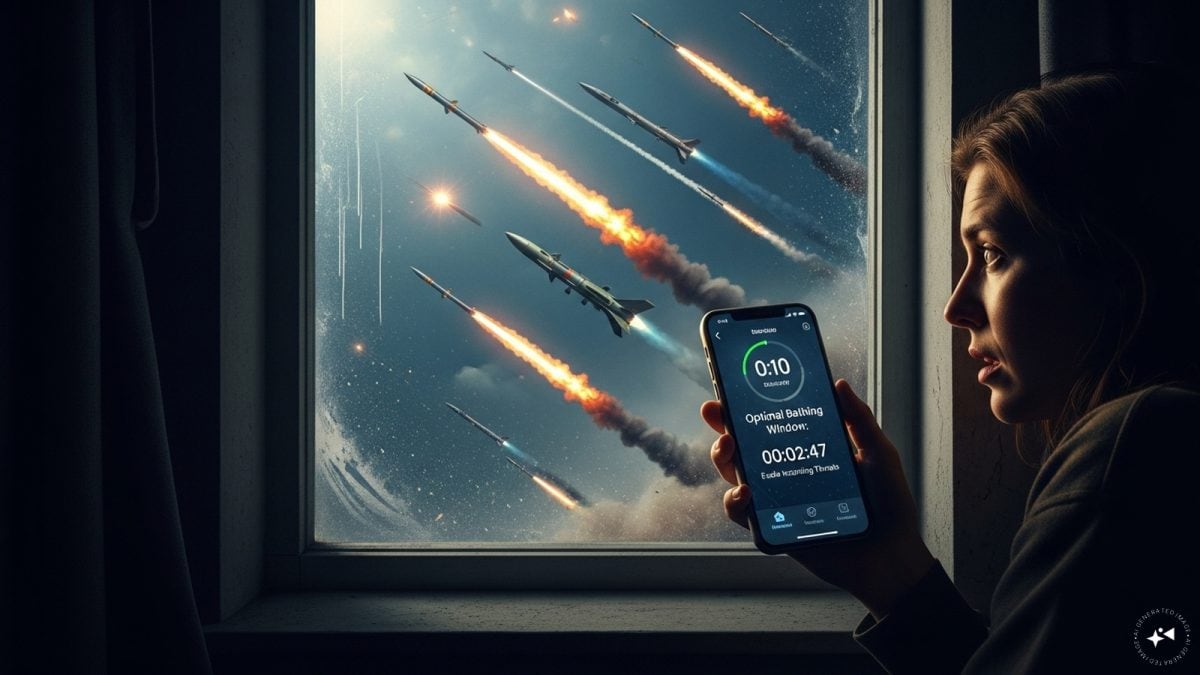
In times of crisis, innovation often fills the gaps left by uncertainty. For many in Israel today, taking a simple shower has transformed from a daily ritual into a complicated decision. The rise of air raid sirens and potential missile strikes requires residents to assess risk factors, leading to the creation of tools designed to offer some peace of mind.
The Israeli spirit of ingenuity is clearly on display as various apps have emerged to assist citizens in their day-to-day lives during wartime. Among these is the “Can I Shower?” app, which helps users determine the safest times to bathe amid ongoing threats from rocket attacks.
Understanding the Safety Tool
This innovative platform uses historical data on rocket strikes and alert patterns to help predict windows of safety. Users can personalize aspects like their average shower duration and the time required to reach a shelter to generate a tailored risk assessment. While it’s important to note that this app is not an official safety resource and isn’t infallible, it offers many Israelis a semblance of control amid a chaotic environment.
Broader Implications of Technology in Conflict
The “Can I Shower?” app isn’t isolated in its mission. Other applications, notably the Home Front Command app and volunteer-driven Red Alert services, provide real-time notifications about incoming attacks based on users’ locations. These alerts can prove essential, giving individuals crucial seconds to seek refuge when danger is imminent.
In a bid to maintain social connections even during perilous moments, some developers have created platforms enabling people to meet others in shelters. By scanning QR codes, users can identify others in the same space, transforming tense moments into opportunities for camaraderie—even sparking potential romantic connections.
Public Reception and Cultural Commentary
The app has generated buzz on social media, where users have celebrated its clever solution to a pressing issue. They appreciate how it simplifies the decision-making process around necessary self-care amid a landscape of constant alerts. One individual remarked on the uniqueness of an app turning such a mundane task into a data-driven choice, while another humorously suggested that it could be essential for those navigating spy plots in the region.
Embracing Digital Resilience
For many Israelis dealing with the reality of rocket alerts, these digital platforms represent more than just convenience; they are a method of reclaiming normalcy in disrupted lives. Whether assessing shower safety or connecting with neighbors in bunkers, these digital tools demonstrate how technology can adapt to meet the needs of citizens facing adversity.
As tensions continue to rise, the intersection of innovation and necessity highlights humanity’s resilience even in the face of conflict. In a land known for its vibrant start-up culture, even the most mundane routines—like bathing and socializing—are being reshaped by contemporary technologies.
Key Takeaways
- Adaptability: Technology can help individuals navigate challenges and reclaim aspects of normal life.
- Customization: Personalized features in apps allow users to tailor risk assessments based on personal habits and time constraints.
- Community Connection: New platforms aren’t just about safety; they also promote social interaction during stressful situations.
- Ongoing Innovation: The evolution of helpful tools demonstrates a commitment to finding solutions amid adversity.
- User Engagement: Public interest and feedback highlight the importance of creative problem-solving in times of crisis.
These insights encourage a broader perspective on how modern technology influences daily living, urging readers to consider the significance of digital innovation in their own lives.