

Examining the Impact of Cellphone Bans in Schools
Educational institutions across the U.S. have adopted strict cellphone bans to address distractions and enhance student engagement. More than 30 states, including Kentucky, have implemented such policies, leading to varying approaches in their execution across school districts.
In Kentucky, a statewide law mandates that all public schools maintain a cellphone-free learning environment, with districts permitted to create their own guidelines. Some schools choose to collect students’ phones at the beginning of each class, while others limit usage to designated breaks.
The Jefferson County school district has established a comprehensive “bell-to-bell” policy, prohibiting cellphone use from the moment students enter school until they exit.
Changes in Classroom Dynamics
Feedback from educators illustrates a marked shift in classroom dynamics. There has been a significant increase in student interaction since the policy was enforced. The previous challenges of engaging students have shifted to a more dialogic environment among students and teachers.
While educators feel confident that these policies enhance student focus, they also recognize student resistance. Many students are finding workarounds, bringing extra devices or altering the pouches designed to secure their phones during school hours.
Creative Solutions to Restrictions
As part of the implementation process, the school introduced Yondr pouches — locking pouches that only unlock with a specific magnetic tool. This transition has faced challenges, as some students have voiced frustration with the ban. However, others concede that the ban has positively impacted productivity, noting that classes have become more engaging.
Despite occasional rule violations, students generally seem more focused, with reports of improved academic performance. Some students carry their phones, suggesting a mix of compliance and defiance.
The Upsurge in Library Engagement
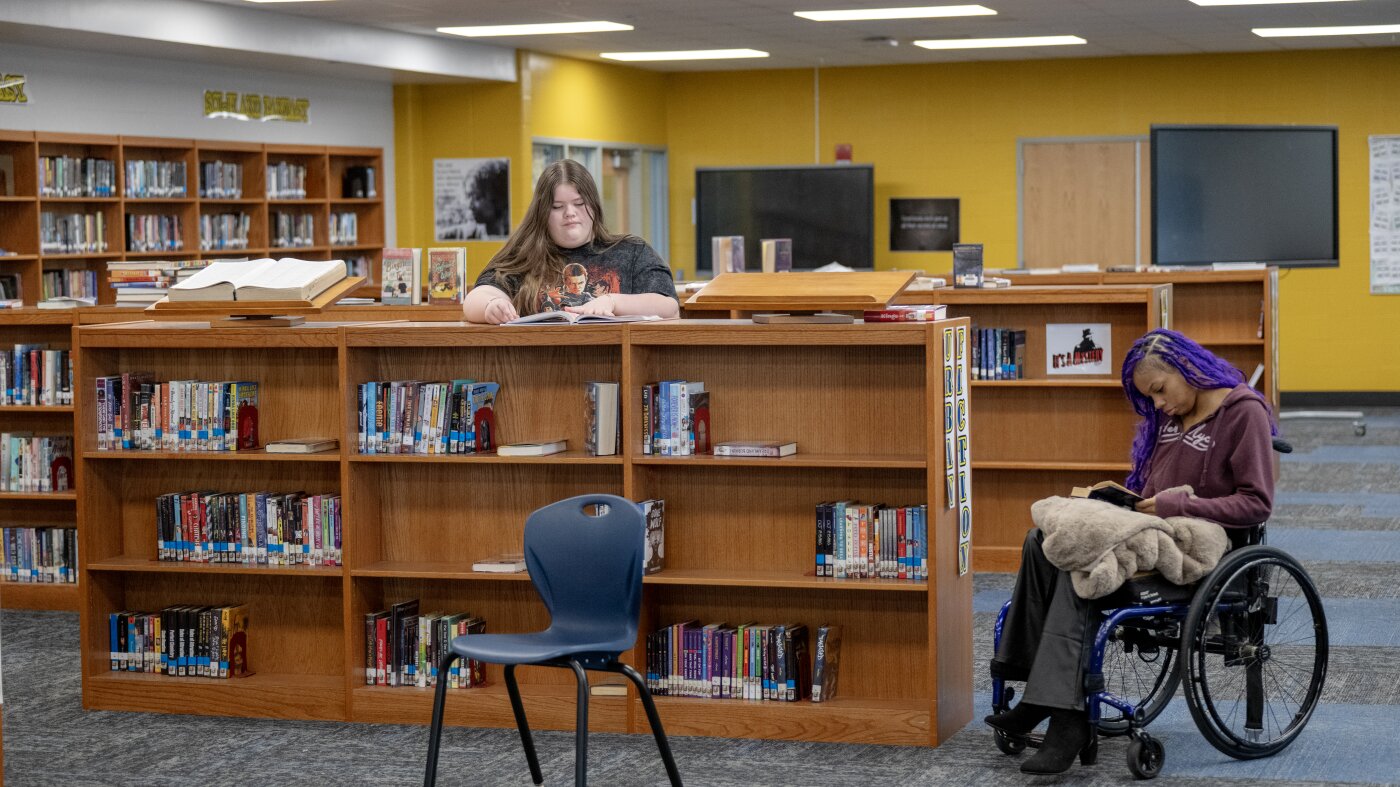
One outcome of the cellphone ban has been an increase in library use, with reports of a surge in book checkouts compared to previous years. Students are beginning to unplug and explore other options for entertainment.
The varying opinions reflect a unified goal of ensuring student success. Even if some students still carry their phones, there’s a growing respect for the learning environment, leading them to find alternatives.
Key Takeaways
- Diverse Implementation: Schools are customizing their cellphone bans, highlighting the importance of flexibility.
- Increased Engagement: Improved classroom dynamics, with more interaction and less phone distraction.
- Youth Resistance: Students often dislike the ban, though some view it as a push towards better productivity.
- Creative Hacks Emerge: Students find innovative ways to circumvent restrictions, leading to compliance debates.
- Library Usage Grows: The ban has increased library visits and book checkouts, revealing a shift in student interests.
- Unified Goal: Schools share a common objective of fostering a more engaging educational experience.
As the conversation around cellphone policies evolves, schools continue to face the challenge of balancing technology use with academic goals.
The post The Impact of School Cellphone Bans: Successes, Struggles, and Surprising Insights appeared first on The Big.