

Study on Cellphone Policies Reveals Student Wellbeing Gains but Limited Academic Impact
Research analyzing cellphone bans in American schools has indicated improved student wellbeing, though academic benefits are less significant than expected. The study evaluated data from nearly 40,000 schools and highlighted shifts in student experiences following cellphone restrictions.
Initially, when schools enforced bans on phones, there was a slight dip in student wellbeing during the first year. However, by the end of the second year, wellbeing levels returned to or even surpassed initial benchmarks. This underscores the importance of managing cellphone usage to enhance classroom focus.
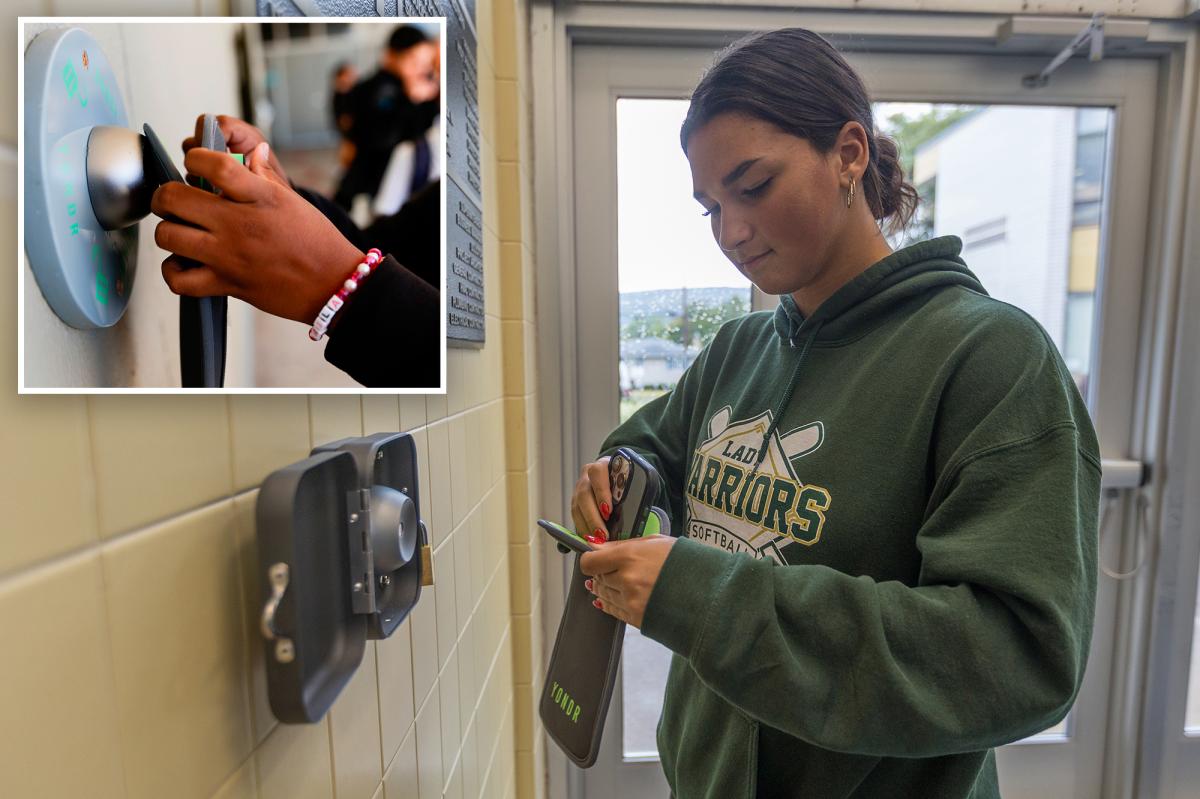
Schools implemented systems like Yondr pouches to securely lock phones during classes. Researchers correlated cellphone usage with factors such as test scores, student satisfaction, and incidents of bullying over three years.
This study is one of the largest examinations of cellphone policies in education. A Pew Research study indicated that approximately 75% of teachers consider cellphone distractions a major hurdle in their classrooms.
Legislators are advocating for cellphone prohibitions in public schools, expecting improved academic performance. However, the study revealed that test scores during the bans remained largely unchanged. Researchers invited stakeholders to allow more time for potential academic improvements to materialize.
Notably, cellphone use dropped dramatically by around 80% within classrooms adhering to the ban. Initially, incidents like suspensions surged by 16%, but this later fell as student wellbeing increased over time, with no significant changes in bullying rates.
A parallel analysis of New York’s complete cellphone ban in public schools echoed these findings. While test results are pending, a significant majority of surveyed teachers indicated improvements in classroom dynamics and a reduction in bullying. Classroom interactions have become more engaged, fostering participation and discussion.
Key Takeaways
- The study evaluated the impact of cellphone bans across thousands of schools on student wellbeing and academic performance.
- Student wellbeing metrics improved significantly after an initial dip following the bans.
- Test scores showed minimal changes, suggesting that academic improvements may take time.
- The reduction in cellphone use indicates a shift in student focus.
- There was a short-term increase in disciplinary actions, which later decreased as student wellbeing improved.
- Similar findings in New York highlight the growing interest in managing cellphone access to enhance student engagement.
This ongoing dialogue about cellphone use in schools invites further exploration and critical reflection on balancing technology usage with educational goals.