

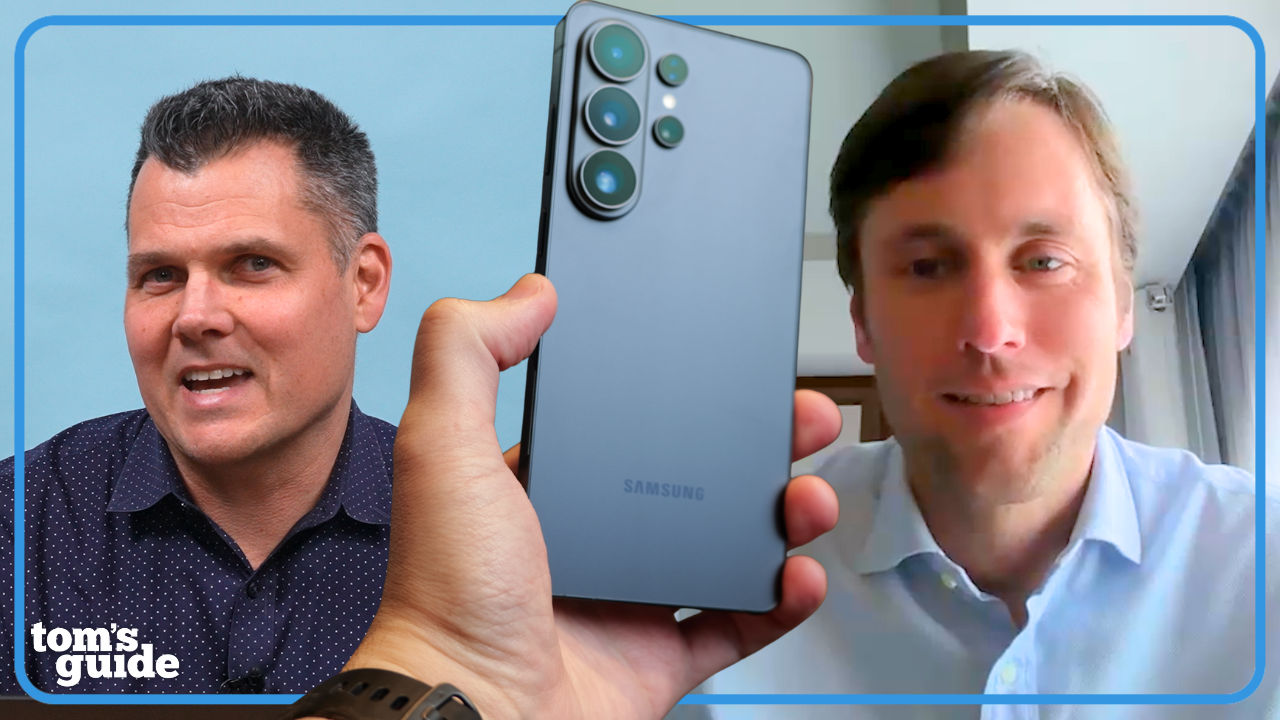
Samsung Galaxy S26: Answers to Your Most Pressing Questions
Frequently Asked Questions
- What is an agentic AI phone and how does it enhance daily life?
- How does the Privacy Display function, and what are its potential downsides?
- What caused the $100 price increase for both the Galaxy S26 and S26 Plus?
- Why was aluminum chosen over titanium for the Ultra’s construction?
- Is Samsung exploring the use of silicon carbon batteries in their flagship devices?
Here’s a brief overview of what’s new and noteworthy about the Galaxy S26 series.
Exploring Privacy Display Features
One standout feature of the Galaxy S26 Ultra is its Privacy Display, which obscures private information at the pixel level. This feature can be toggled from Quick Settings or set to activate based on the app in use. For instance, if a notification comes in while browsing, the Privacy Display keeps that info hidden while still showing other relevant content.
However, early tests indicate some trade-offs. Users might notice a dimmer panel and narrower viewing angles compared to the previous S25 Ultra, particularly with standard dynamic range (SDR) content. Nonetheless, it remains competitive for high dynamic range (HDR) visuals, and Samsung asserts that users won’t perceive a significant difference in display quality when adjusting the Privacy Display settings.
Understanding Agentic AI Functionality
The Galaxy S26 introduces the concept of an “Agentic AI phone.” This refers to the device’s capacity to perform tasks on behalf of the user, streamlining various processes. For example, when discussing dinner plans, the phone can automatically check your calendar for availability without the need to switch apps.
Features like Now Nudge analyze conversations within the messaging app to suggest contextually relevant actions. For instance, if dinner plans are being discussed, the phone may recommend nearby restaurants or assist with reservations without requiring navigation to another app.
Pricing Modifications Explained
The Galaxy S26 and S26 Plus have both increased in price by $100. The S26’s increase is due to double the storage, starting at 256GB. The S26 Plus did not receive a storage upgrade alongside the price hike. This adjustment reflects rising costs associated with innovative tech advancements, including custom processors and enhanced camera capabilities.
Improvements in Low-Light Photography
Photographic performance sees a significant upgrade, especially in low-light scenarios. The S26 Ultra features wider apertures on its main and telephoto lenses, resulting in brighter images. The S26 and S26 Plus models also boast enhanced camera technology, equipped with a new AI-driven image signal processor that learns and adjusts to each camera’s specific noise profile, ensuring clarity in dim settings.
Potential for Silicon Carbon Batteries
Despite competition from other manufacturers with silicon carbon batteries, Samsung continues to utilize traditional lithium-ion batteries for the Galaxy S26. While alternative brands provide impressive options with extended battery life, Samsung’s strategy focuses on effective battery management and fast charging capabilities.
Key Takeaways
- The Privacy Display enhances user security but may slightly compromise brightness and viewing angles.
- “Agentic AI” features are designed to save users time by automating tasks relevant to their context.
- A $100 price increase for the S26 series reflects increased storage and ongoing innovation.
- Low-light photography has improved, resulting in clearer nighttime captures.
- Samsung is evaluating trends in battery technology while optimizing lithium-ion solutions for the current lineup.
The advancements in the Galaxy S26 series showcase Samsung’s efforts to merge innovative technology with user-friendly features, making it a noteworthy contender for 2026.