

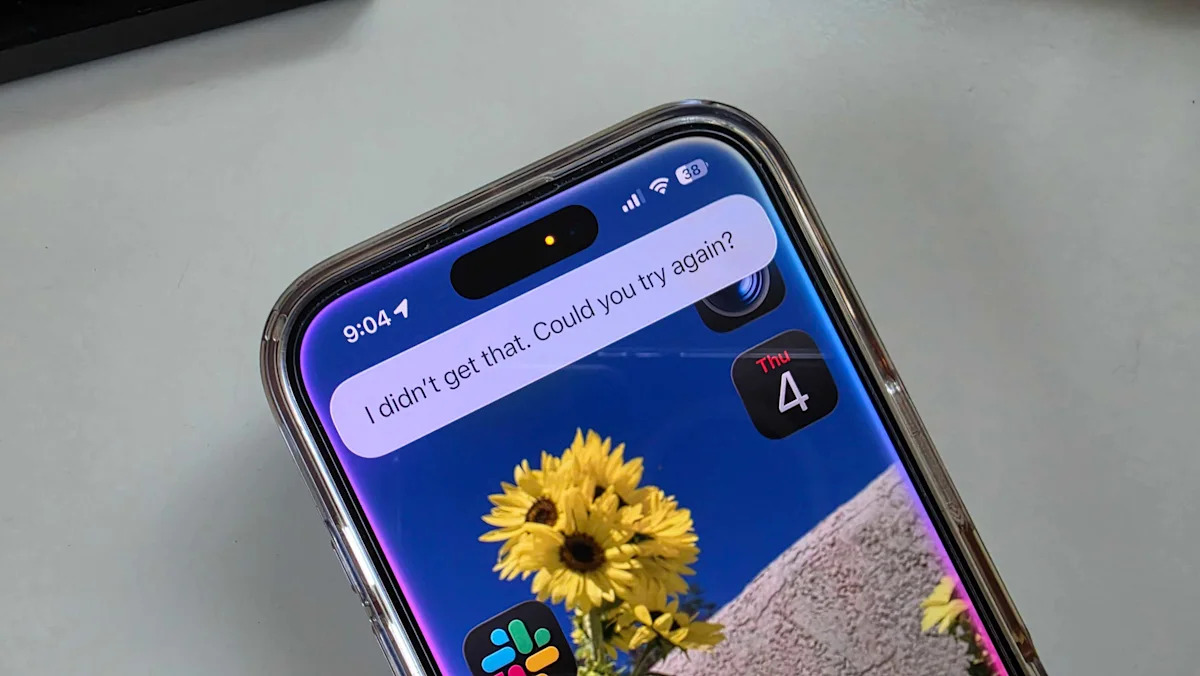
During a recent road trip across New Mexico, I asked Siri for details about our arrival time in Amarillo. Instead of answering, Siri responded, “You can look that up on your iPhone once you’re done driving.” Having previously provided navigation, it certainly knew my location. Calculating arrival times isn’t complex; it’s basic arithmetic. The dismissive tone that suggested I consult my device was frustrating and felt hostile. Unfortunately, this wasn’t the first instance where Siri’s responses left me contemplating tossing my iPhone out the window.
Next week marks an important moment for Apple as it endeavors to fulfill commitments regarding AI capabilities at WWDC 2024. Observers are waiting to see if Apple can truly deliver groundbreaking advancements, as industry insiders believe the upcoming announcements may signify a significant push into generative AI. However, skepticism surrounding Apple stems from ongoing lawsuits and subpar performance from Siri, leaving many to question if those promises have been kept.
Fortunately, there’s renewed hope that substantial improvements to Siri could be on the horizon. A recent partnership between Apple and Google will allow Siri to incorporate Gemini’s advanced features, potentially enhancing its functionality significantly. This partnership is particularly encouraging for long-time Apple users who have previously switched to other platforms due to Siri’s underwhelming performance. To regain trust, several key changes need to be made to Siri’s current setup.
1. Respond to User Inquiries Effectively
The phrase “You can look that up on your iPhone” simply won’t cut it anymore. A common complaint is how Siri often dodges direct questions. Users come to Siri for a reason, and it should provide information rather than deflecting requests. Other virtual assistants manage to give at least a basic answer, so there is no excuse for Siri’s lack of engagement.
2. Clarify When Uncertain
When I asked Siri for directions to a place but mistakenly mentioned the wrong name, rather than helping me arrive at my intended destination, it directed me to a place thousands of miles away. A touch of contextual awareness or a simple follow-up question could prevent such mishaps.
3. Enhance Siri’s Integration with iPhone Functions
While Siri can perform basic tasks like opening apps or sending texts, it struggles with more intricate commands. For example, Google’s Gemini can seamlessly orchestrate actions across multiple applications. Getting Siri to operate effectively in a similar manner feels far-off.
4. Improve Siri’s Functionality Around the House
As someone who frequently uses other smart assistants for home commands, I find myself wishing for better performance from Siri. Apple’s ability to integrate with devices in my home needs work, ensuring that questions asked in one room aren’t redirected to another device.
5. Upgrade Workout Buddy Features
Although not Siri itself, Apple’s Workout Buddy could benefit from AI enhancements. The existing feature offers motivational check-ins and music recommendations but lacks real engagement. Comparatively, alternative health coaches have shown a more relatable understanding of user needs, making it imperative for Apple to step up its game in this arena.
Key Takeaways
- For Siri to regain user trust, direct and meaningful responses are essential.
- A contextual understanding can minimize errors when users request assistance.
- Expanding Siri’s capabilities to interact seamlessly with iPhone functions can enhance user experience.
- Improved voice assistant technology is necessary for an effective smart home setup.
- Innovations in fitness monitoring and motivational support can help Apple stay competitive in health tech.