


It’s surprising to think that nearly ten years have passed since Apple unveiled the first 120Hz ProMotion display on the 2017 iPad Pro. Despite that innovation, Apple continues to treat this technology as if it were an exclusive luxury rather than a standard feature, leaving many customers wanting more.
To its credit, Apple has finally incorporated a 120Hz display into the base model of the iPhone 17—this change came years after its debut in the high-end iPhone 13 Pro. This update is a welcome improvement.
Critics often assert that most users might not notice the difference between 60Hz and 120Hz unless it’s pointed out. Regardless, the fact remains: a 120Hz display enhances the overall user experience, making devices feel noticeably more fluid and responsive.
When considering Apple’s pricing strategy, it raises questions about why the iPad Air—priced between $599 and $799—still features a 60Hz display. This is particularly troubling given that a nearly decade-old model, the 10.5-inch iPad Pro, offered 120Hz for a similar price point.
The Gap in Apple’s Mid-Range Product Offerings
The price difference between the iPad Air—starting at $599 for the 11-inch model—and the iPad Pro, which begins at $999, is substantial. This $400 disparity means that few consumers will consider both options side-by-side. If you’re eyeing specific features like the impressive OLED display or the latest Apple chip, you’re likely going to opt for the iPad Pro without thinking twice.
However, many consumers stick to their budgets. Even if they appreciate the attractiveness of a 120Hz display, the extra cost for the Pro model can be prohibitive. In previous years, closer price points between models made it easier to justify paying extra for enhanced features, but with current pricing structures, that’s a harder argument to make.
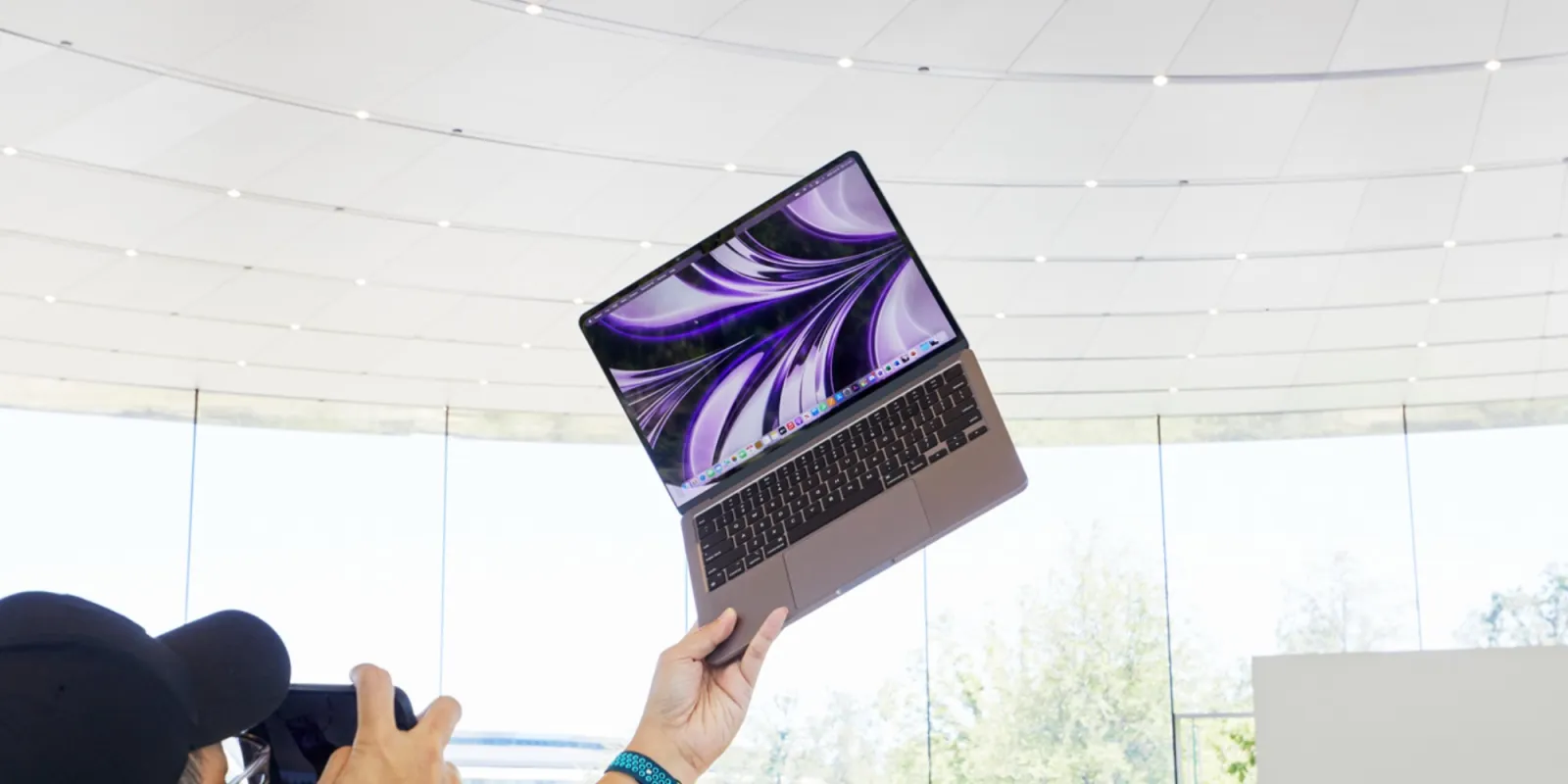
The same reasoning applies to Apple’s laptop offerings. With the MacBook Air priced at $999 and the entry-level MacBook Pro starting at $1,599, consumers might find it hard to justify investing in the Pro for a feature like a 120Hz display. It’s not as if $999 is considered a budget option among laptops.
Final Thoughts
Apple has clearly set out to distinguish product tiers, and while some level of feature separation is reasonable, it’s baffling to see a company that emphasizes user experience cutting corners on display technology. Nearly ten years after introducing the 120Hz panel, it raises the question of why mid-range devices are still locked at 60Hz, especially when most competitors in the same price range offer better display options.
While entry-level products like the base iPad or the forthcoming budget MacBook may understandably come with 60Hz displays, it’s high time Apple revise its standards for mid-range options. With most laptops around $999 now including 120Hz displays, should Apple do any less? For a brand that prides itself on fine-tuning user experiences, incorporating this technology shouldn’t break the bank and could dramatically enhance overall satisfaction with their devices.
Key Takeaways
- Apple’s introduction of the first 120Hz display in 2017 was innovative, yet mid-range products continue to lag behind.
- The recent addition of the 120Hz feature in the iPhone 17 is a progressive step but raises questions about other devices.
- The disparity in pricing between models makes it hard for consumers to justify the premium for better features.
- Most competitors offer 120Hz displays at similar price points, putting pressure on Apple to catch up.
- Considering the longevity of 60Hz displays, a shift to at least 90Hz in their mid-range products would align with user expectations and industry standards.