

Why the Game Industry Must Evolve: A Look at Highguard’s Closure
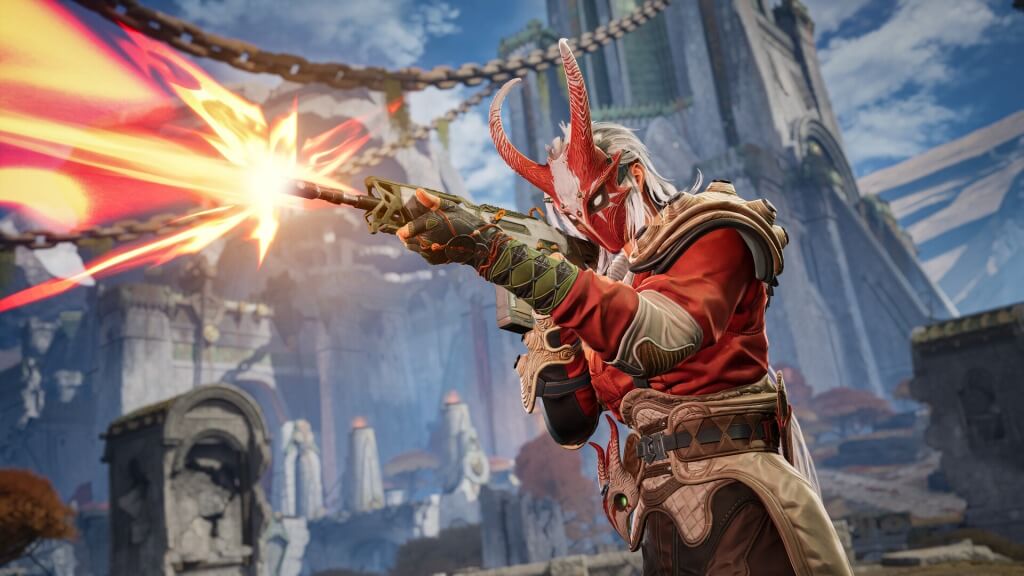
In a familiar story for gaming enthusiasts, Wildlight Entertainment is preparing to take its latest online shooter, Highguard, offline just weeks after its release. The game will go dark on March 13, marking an abrupt end to a venture that only lasted about 45 days, slightly longer than the notorious Concord, which closed its servers just two weeks post-launch.
This trend raises crucial questions about the trajectory of high-budget live-service games. Typically, a large studio filled with experienced developers invests significant time and money in crafting a title intended to ride current trends. However, by the time the game hits the market, the very trends that inspired its creation may have already shifted. Despite pouring millions into development, these studios often find themselves delivering products that many view as unoriginal, leading to quick backlash from potential players.
Upon release, a handful of titles manage to resonate well, like Arc Raiders, which enjoyed a strong debut weekend. Yet most efforts fall short. Take Concord, which peaked at a mere 697 concurrent players on Steam, largely due to failed marketing strategies and a price point that turned many away.
Not every game faces a dismal reception; some initially attract users. XDefiant, for instance, boasted an impressive active user count shortly after launch but still saw Ubisoft shut it down around a year later. Even Highguard had its moment, amassing close to 100,000 active users. Unfortunately, interest waned rapidly, shedding over 90% of its player base almost immediately as gamers returned to established favorites.
Live-service titles are not only pressured to capture audiences quickly but also to sustain them through aggressive monetization techniques. These constraints create an environment of fierce competition, where newer games struggle against better-refined experiences that have benefited from extensive live testing and updates. While a few games, such as Apex Legends, have successfully navigated this landscape, the vast majority require a unique blend of creativity and perhaps a stroke of luck.
The unpredictable nature of gaming means that many of today’s leading titles originated outside the traditional AAA framework. For example, Fortnite transformed from a cooperative zombie-fighting game to an absolute sensation in the realm of battle royales. Despite some successes, a multitude of projects fail to gain traction, leaving a potent reminder of just how volatile the gaming industry can be.
This high-stakes environment hasn’t deterred publishers, who often prioritize high-risk, high-reward projects that promise significant returns. As evidenced by recent layoff waves at companies like Wildlight and Sony, workforce reductions are often the unfortunate byproduct of such corporate decisions. Still, Sony’s shift away from the live-service model is, at the very least, a glimmer of hope for those concerned about the industry’s direction.
The ongoing trend of layoffs highlights a broader crisis within the gaming world. Approximately one-third of U.S.-based developers have faced job losses in recent years, a situation exacerbated by the fallout from live-service game failures.
While long development cycles might muddy the waters regarding when change will occur, history suggests that game studios often take time to learn from failures. The industry has previously seen similar booms and busts, as many studios sought their own version of the World of Warcraft success story only to yield limited results.
Nevertheless, the fear persists that the cycle might not be a temporary phase. Some worry that companies will continue to chase fleeting trends, precipitating a fundamental shift in the gaming landscape. While independent developers will continually create artful projects from their garages, a lack of stability at the professional level threatens larger-scale endeavors. Concord and Highguard could serve as critical lessons, warning corporate entities that today’s immediate profits may come at the cost of a more sustainable future.
Key Takeaways
- Recurring Trends: The gaming industry often sees studios chasing shifting trends, resulting in products that may not align with player interests.
- Variable Outcomes: Some games launch strong but can’t maintain momentum, leading to quick closures.
- High Stakes: The pressure to attract and retain players mandates aggressive monetization and competition.
- Unpredictable Success: Popular games frequently come from unconventional beginnings, showcasing the industry’s volatility.
- Corporate Impacts: Recent layoffs signal deeper issues within the industry, prompting concerns over sustainability.
- Future Considerations: Historical cycles may help predict shifts in industry focus, but uncertainty remains.