

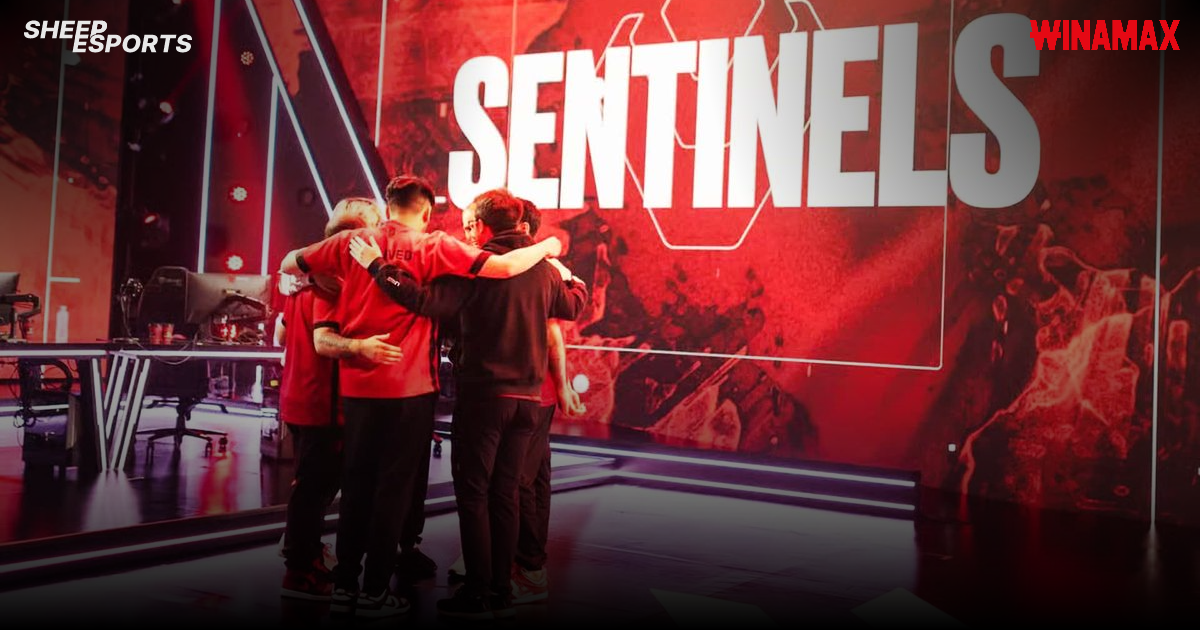
Another Look at the Esports Landscape
In a digital realm where financial success remains elusive, leading esports organizations are navigating a complex marketplace. Amidst this volatility, Sentinels (SEN) is exploring tailored strategies to attain stable returns for investors.
The industry is not yet out of the woods after its initial market correction. There may be another 12 to 18 months to realize that while some salaries are inflated, they simply aren’t sustainable. A significant consolidation phase ahead for the industry might pave the way toward a sustainable ecosystem.
Recent financial analysis reveals that Sentinels projected $6.44 million in net revenue for 2025, a modest rise from $5.79 million in the previous year. This uptick isn’t dramatic, but cost management has led to operational expenses decreasing by over $1.3 million compared to 2024. Despite this financial prudence, the organization still recorded net losses of $4.28 million, albeit an improvement from the $6 million loss reported previously.
The organization is now a slimmed-down, efficient entity with revised player and staff compensation structures. This reflects a broader industry shift where investors are more reluctant to fund losses for audience development.
Unlike many competitors that have branched out, Sentinels is concentrating on refining existing revenue streams from sponsorships, merchandise, and digital products. Prize money is often unpredictable and largely benefits the players more than the organizations.
VALORANT: The Foundation of Success
Sentinels’ flagship game remains VALORANT, which the organization embarked on during its beta phase in 2020. Their involvement and skilled gameplay that secured them two VALORANT Masters trophies have solidified their status as a top contender in esports.
This positioning has enabled the team to capitalize on sales from in-game items through the VALORANT ecosystem. Riot Games confirmed the distribution of over $105 million to VCT teams throughout 2025. Further growth is anticipated with the upcoming switch to an open ecosystem in 2027, promising more consistent content for fans.
“Consistency is key,” emphasizing that current gaps in the league format risk losing fan interest and eroding long-term commercial viability.
The Sponsorship Challenge
As Sentinels navigates tight budgets, creating engaging sponsored content that resonates with fans while fulfilling brand messaging is crucial. “How do we make this content both enjoyable and effective?” Advocating for community-focused initiatives like co-streams and creator collaborations.
Sentinels entered the League of Legends Championship Series (LCS) without engaging in the traditional franchise model, mitigating financial risk while capitalizing on potential returns.
Even as the LCS faces declining viewership, compelling content can help recapture the audience. The organization’s future in esports depends on aligning with games that attract sponsorship interest.
The decision to withdraw from Fortnite came as financial viability waned. “If we can’t make a return, we simply can’t stay in that arena.”
Examining Future Potential and Challenges
With sponsorship revenue crucial, discussions turned to betting partnerships in esports. Fan sentiment is divided over the presence of gambling brands in the industry. “It’s a tough paradox,” reflecting on the irony of wanting to win while dismissing financial support from high-paying sponsors.
Improving financials are met with ongoing challenges. Support from JAG Ventures has provided over $12 million in funding in recent years. Optimism remains about reaching profitability by 2027, while navigating the anticipated correction phase is seen as critical for the industry’s long-term health.
Key Takeaways
- Market Corrections: The esports industry is likely heading for another correction, essential for long-term sustainability.
- Revenue Focus: Sentinels is honing in on optimizing existing revenue avenues.
- Core Games Matter: Focusing on popular titles like VALORANT has proven beneficial for revenue generation.
- Engagement Strategies: Producing engaging content while satisfying sponsors is crucial in a budget-conscious market.
- Flexibility in Models: Entering new leagues under non-franchise models reduces financial risks.
- Community Engagement: Community-driven initiatives can enhance brand loyalty and sponsorship value.