

The current state of the video game industry has many enthusiasts feeling uneasy. Issues plaguing major Western game publishers could lead to significant setbacks. Those with a deeper investment in gaming are beginning to wonder if the landscape for triple-A titles is on the brink of collapse.
Recent reports highlight dismal sales for Xbox, impending insolvency for GAME, and troubling developments at Ubisoft. These issues have been simmering for some time, yet they seem largely ignored by those who could bring about change. The apparent detachment from problems is startling for an industry so closely interconnected with its audience.
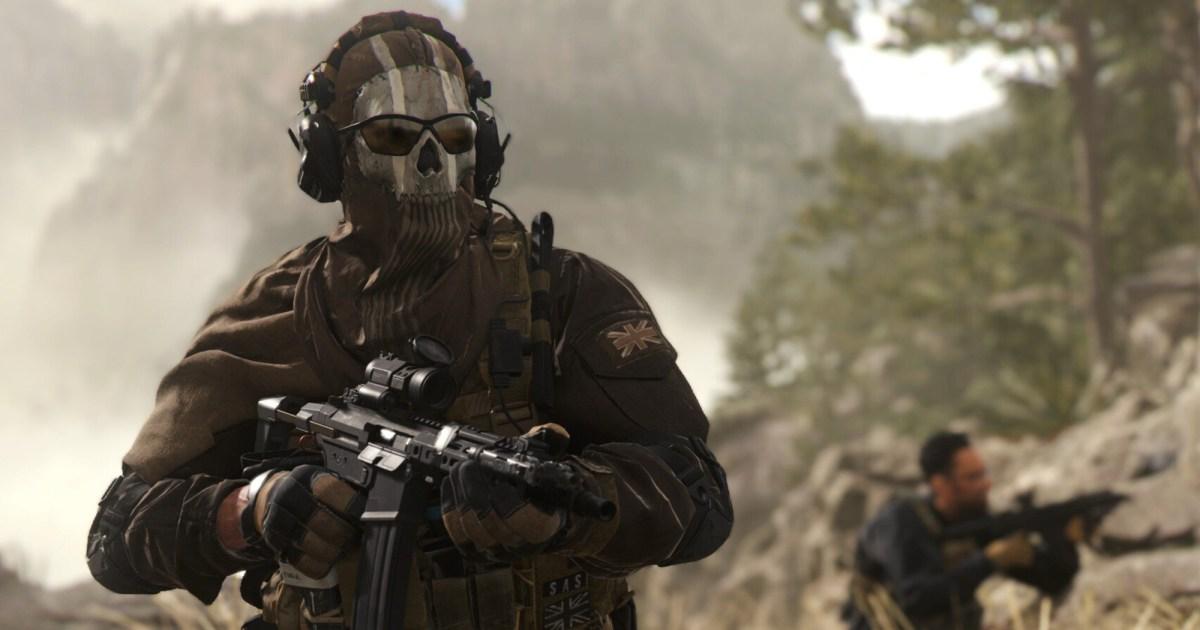
Take the iconic franchise Call of Duty, now facing significant challenges. Activision is heavily reliant on this title for revenue. Meanwhile, Ubisoft’s decline feels increasingly inevitable, EA is buried under a staggering amount of debt, and Take-Two hasn’t released the highly anticipated GTA 6.
This situation points to a troubling blend of poor decision-making and a lack of accountability. Executives appear more concerned with financial gain than fostering genuine passion for gaming. Their backgrounds often lack substantial connection to game development, resulting in indifference to the art form’s future.
Worryingly, those at the helm of these publishing giants seem uninterested in addressing organizational issues. Companies like EA are lackadaisical about rising game prices or dwindling console sales, prioritizing short-term financial strategies over meaningful solutions.
It seems nearly impossible to advocate for change when key positions remain occupied by individuals unlikely to possess a genuine affinity for gaming. We may only encounter escalating challenges until the industry faces another crash. However, innovation and creativity are flourishing within Japanese and indie game development.
Companies like Capcom have produced engaging and diverse titles that resonate with players. Similarly, developments at Square Enix and Konami suggest a shift toward a more consumer-friendly approach. The rise of gaming industries in regions like China and South Korea is also enriching the overall gaming narrative.
In essence, while big-name Western publishers rely on marketing to mask their fragility, the self-inflicted struggles they face raise important questions about their longevity. The gaming community must reconsider where its loyalty lies: with an industry prioritizing profit or with creators genuinely passionate about their craft.
Key Takeaways
- The gaming industry is experiencing significant turmoil among major Western publishers.
- The gap between executives and the gaming community is widening, raising concerns about future game quality.
- Major franchises like Call of Duty and GTA face existential threats due to poor corporate oversight.
- Alternative gaming cultures from Japan and indie developers are filling the void left by mainstream companies.
- The current business models of large publishers may lead to irreversible damage, advocating for a shift in consumer loyalty toward more passionate creators.
The state of the video game industry warrants discussion and critical thought, as its future hangs in the balance amid rising financial and creative challenges.