

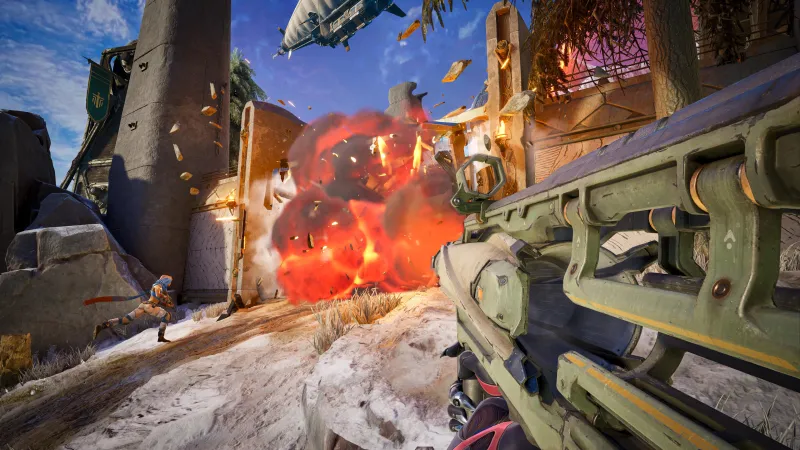
Following a highly-publicized unveiling during The Game Awards 2026, Wildlight Entertainment marked its entry into the gaming industry with the launch of Highguard, a first-person raid shooter available on PlayStation 5, Xbox Series X/S, and PC. Initial player interest surged, with over 100,000 concurrent users on Steam at launch. However, this figure saw a steep decline shortly thereafter, and today, the game holds “mixed” reviews on Steam.
In the wake of these disappointing numbers, Wildlight made the difficult decision to downsize, laying off the majority of its staff just two weeks after the launch. A recent report indicates that fewer than 20 developers remain. Despite the challenges, these dedicated employees have rolled out two significant updates for Highguard since the layoffs occurred on February 11.
According to a report, the origins of Wildlight can be traced back to 2021, when a select group from Respawn Entertainment parted ways to establish their own venture. After witnessing the financial success of Apex Legends, some founders felt inadequately rewarded for their contributions, which inspired them to form a new studio focused on equitable profit-sharing and the creation of a surprise-launch live-service shooter.
Initially conceived as a survival game akin to Rust, Highguard underwent a transformation into its current raid shooter format, retaining some features from its original prototype. Tencent’s TiMi Studio Group provided funding support.
Despite positive feedback during internal testing, some developers questioned whether these tests accurately represented the player experience. Concerns were raised about the necessity of conducting public playtests, but leadership opted to maintain a tight schedule, leading to the game’s launch on January 26 to a lukewarm reception and increasing online criticism.
Staff morale reportedly declined sharply as the game’s reviews deteriorated. Highguard, being free-to-play, relies heavily on player retention and willingness to purchase in-game items. It continues to run and receive updates, though its long-term viability with a reduced development team remains uncertain.