

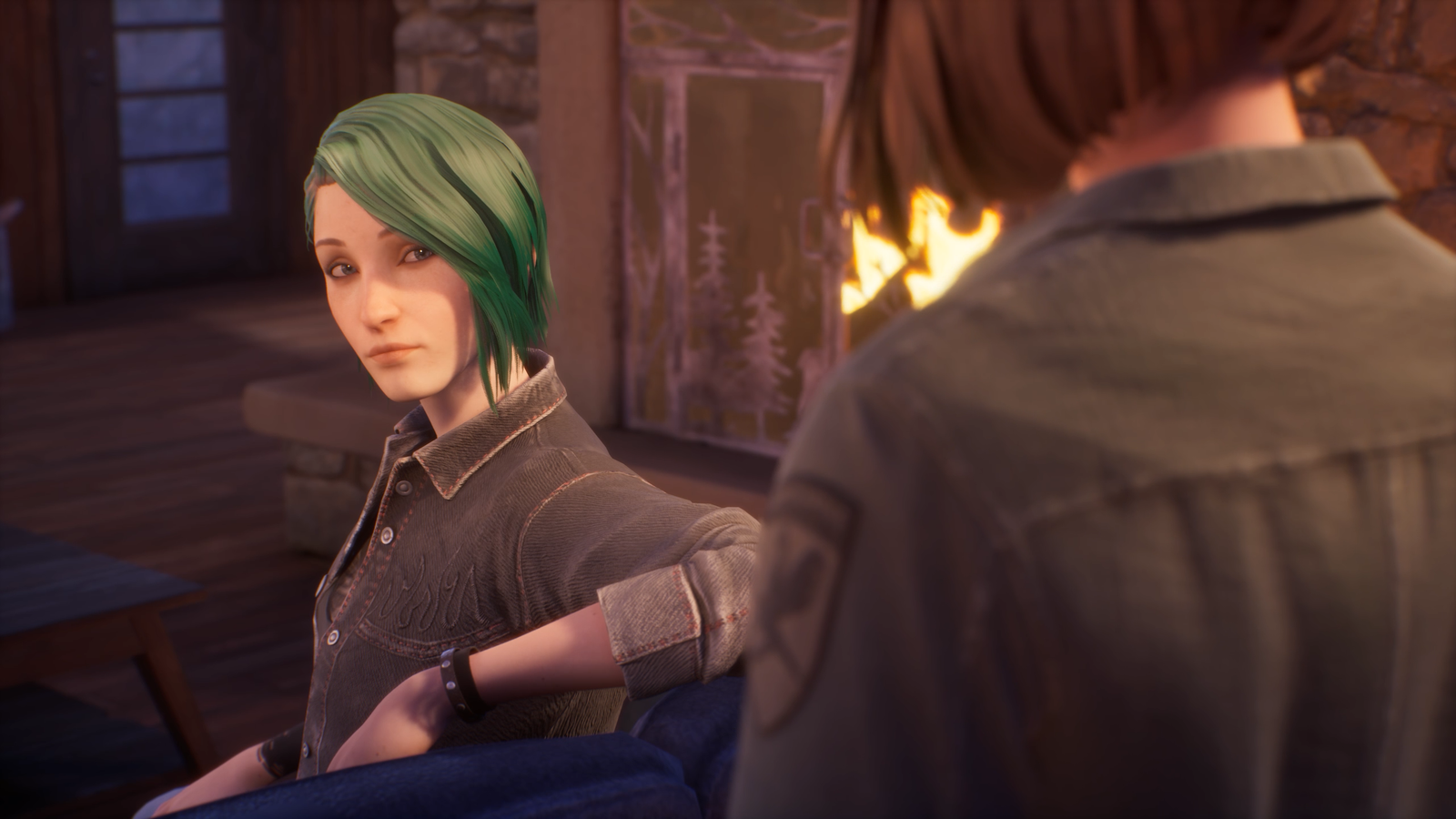
Life is Strange: Reunion Revisits the Past with Bold Choices
A decade ago, players faced one of the most challenging decisions in gaming history. In Life is Strange, players witness protagonist Max making a heart-wrenching choice: to save her friend Chloe or protect her hometown from disaster. With the release of Life is Strange: Reunion, developed by Deck Nine, these emotional threads are being unraveled once more, rekindling Max and Chloe’s story and igniting a conversation around fan service.
In an early demo of Reunion, it became clear how deeply embedded its narrative is within the context of prior games. Far from simply commemorating the original, the sequel navigates the trajectory established in Double Exposure. Max is still a teacher at the university, and familiar faces return, intertwining past and present. Initially, Max’s quest is not centered on Chloe; instead, she’s drawn into a supernatural mystery when she envisions the university engulfed in flames, pulling her deeper into a dark narrative tied to the sinister Abraxas group.
The design and aesthetic of Reunion resonate with Double Exposure, providing a nostalgic experience. Familiar memories linger alongside new clutter, reinforcing that this sequel takes place shortly after the last installment.
Gameplay mechanics remain rich and interactive, echoing the beloved original. Players engage with characters and make pivotal decisions crucial to the unfolding narrative. One memorable moment involved saving a comedic open-mic night from disaster using Max’s time-rewinding abilities.
New gameplay features expand the narrative experience. For instance, during a scene where Chloe sneaks into the café, players engage in a minigame that requires clever dialogue to evade campus security. The interplay between Max and Chloe offers an intriguing choice dynamic, allowing players to influence both characters’ responses in heated discussions.
Chloe’s return, regardless of her fate in prior chapters, adds layers to their interactions. Following an exhilarating escape sequence, her dramatic reappearance shakes Max to her core.
While the game probes the complexities of reconnecting with someone thought lost, it resonates with many players, suggesting a deeper thematic exploration beyond nostalgia.
However, some early dialogue choices felt outdated, raising questions about the writing’s relevance in today’s gaming landscape.
In conclusion, Life is Strange: Reunion elicits mixed feelings among fans eager for a return to familiar territory. As clues unfold and the promises of an interconnected narrative develop, it remains to be seen how effectively Deck Nine can weave a new story from the threads of the past.
Key Takeaways
- Life is Strange: Reunion aims to revisit familiar characters while integrating a larger narrative.
- The game picks up themes from its predecessor, Double Exposure, highlighting continuity in storytelling.
- New gameplay elements, such as dialogue mechanics and character interactions, deepen player engagement.
- The return of Chloe introduces complex emotional dynamics, challenging players’ previous choices.
- Some dialogue choices may feel outdated, raising concerns about modern relevance in writing.
- Players are encouraged to engage thoughtfully with the narrative as it evolves throughout the game.