

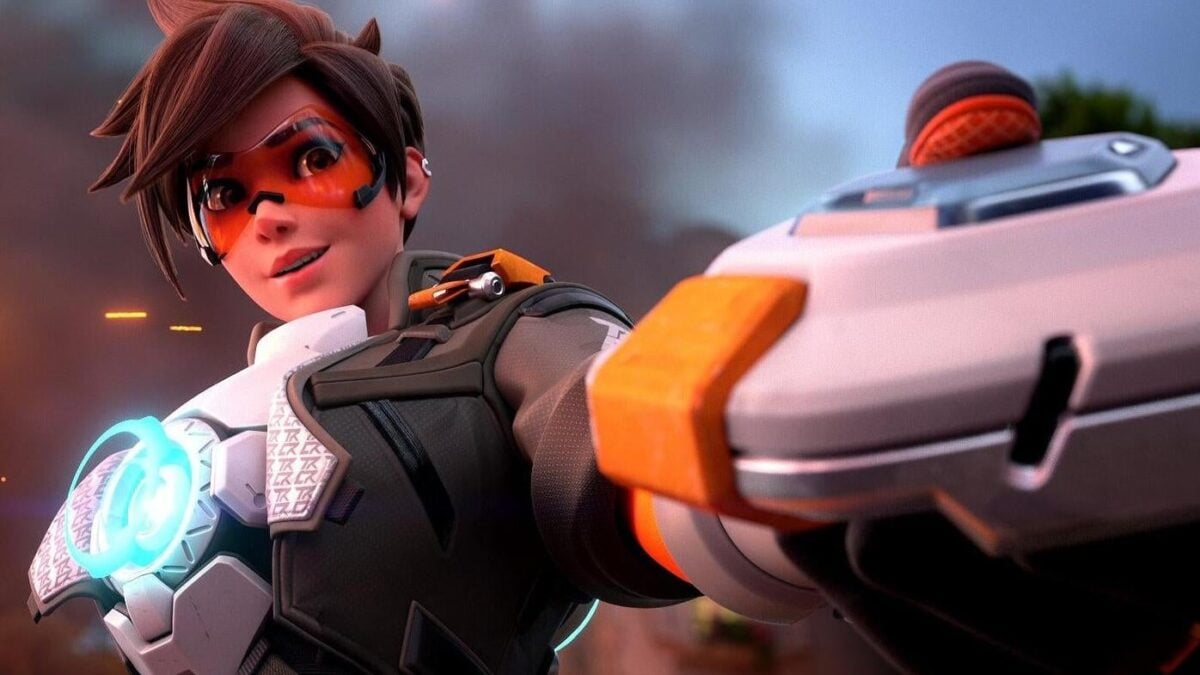
As 2026 unfolds, Overwatch remains a surprising success story in the gaming landscape, often likened to a phoenix rising from the ashes. Celebrating its decade-long journey, Blizzard’s hero shooter has experienced fluctuations that many games cannot endure. Despite ongoing discussions about its decline, Overwatch continues to thrive, arguably reaching its finest form since its debut in 2016.
The resurgence of Overwatch after various setbacks has been remarkable. Blizzard’s commitment to the game, even through challenging times, has been crucial. The focus has always been on enhancing Overwatch, allowing the team to adapt and innovate effectively.
Anyone who has played Overwatch over the past ten years is likely familiar with its various trials. There was a significant lull before the release of Overwatch 2, where players awaited new content while leaning on recycled seasonal events to maintain interest. The highly anticipated sequel launched without promised features, leaving many fans frustrated. The decision to scrap the initial story mode indicated internal struggles faced by the development team.
Challenges of crafting narrative content became apparent during this period. The team quickly realized the feedback was less than favorable, impacting morale and motivation as they sought to meet player expectations.
The tumultuous year of 2021 marked a pivotal period, coinciding with allegations against Activision Blizzard concerning workplace culture. As the company underwent considerable scrutiny, they faced additional turmoil as Overwatch 2 struggled to come together, forcing a strategic pivot to prioritize existing player support.
Through these trials, adapting to player needs became essential. The main goal became to reinvigorate support for the existing Overwatch community, directing efforts toward delivering new content and improvements that resonate with players.
Negative feedback from players has generated profound feelings of uncertainty. Nevertheless, the team has worked diligently to realign their strategies, ensuring they understand what fans truly desire.
The creative evolution of Overwatch has drawn inspiration from various sources. Classic titles like Team Fortress 2 and League of Legends shaped the game’s foundational elements. More recently, Marvel Rivals has influenced Blizzard’s direction, prompting bolder creative risks, including innovative gameplay features like in-match skill trees and specialized modes.
While Overwatch has faced extended periods of uncertainty, Blizzard has embraced a new strategy to enhance player engagement. Dropping the “2” from its title and redefining narrative integration reflects a desire for renewed focus. The learning curve over the past decade has illuminated the complexities of supporting a live-service game.
Insights gained about player expectations and the consistent demand for fresh content further legitimizes Overwatch’s place in gaming culture.
As Overwatch reaches its tenth anniversary, its continued existence highlights the rarity of longevity in live-service titles. Blizzard’s steady backing has allowed Overwatch to overcome numerous failures and emerge as a captivating game. While some might doubt its relevance, the potential for recapturing former players is an advantage few other titles share.
Key Takeaways
- Resilience Amidst Challenges: Overwatch has navigated significant hurdles yet remains a key player in the gaming landscape.
- Supportive Leadership: Blizzard’s commitment has played a crucial role in the game’s ongoing evolution.
- Adapting to Feedback: Negative player responses have prompted adjustments and a deeper understanding of community desires.
- Inspiration from Competitors: Insights drawn from rival games have encouraged Overwatch to explore innovative features and gameplay mechanics.
- Strategic Evolution: The transition to a new release strategy highlights Blizzard’s willingness to adapt to the expectations of a live-service audience.