

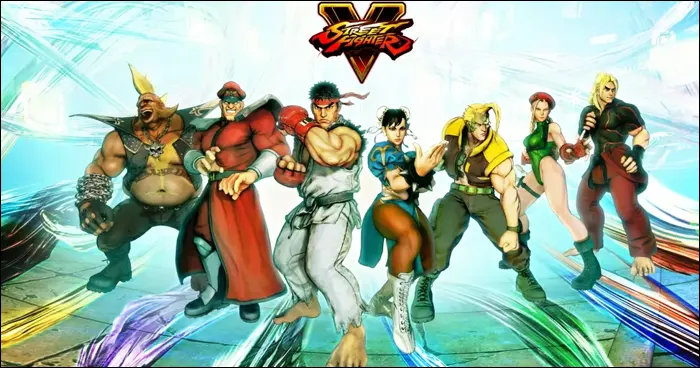
Today, we commemorate the 10th anniversary of Street Fighter 5, a title that has shaped the fighting game landscape but not without facing a myriad of challenges since its grand debut.
A decade ago, this was the first installment of the flagship series experienced firsthand, starting back when beta testing was still ongoing. The introduction to the franchise only came after Super Street Fighter 4 had already shaped perceptions in the community.
Since 2016, Street Fighter 5’s journey has been followed with a mix of amateur enthusiasm and professional engagement, experienced both as a player and observer.
The game’s rocky launch and its initial shortcomings alienated many fans, yet it gradually attracted a new audience, comprised of both seasoned competitors and new enthusiasts.
It’s widely acknowledged that Street Fighter 5 was frustratingly undercooked at release. Despite the anticipation surrounding its launch, it suffered from a lack of content.
This installment was released in haste, propelled by a partnership eager to capitalize on the brand’s legacy.
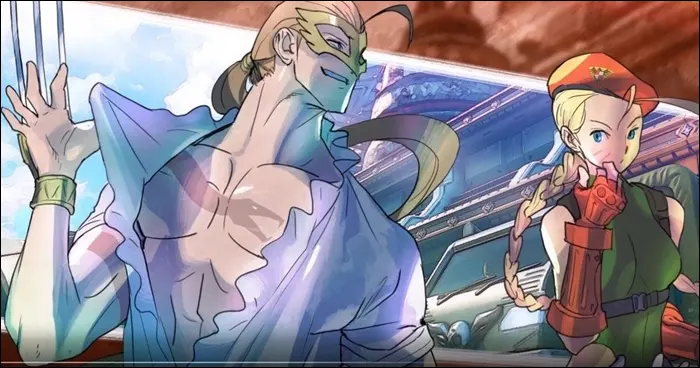
At launch, single-player content was limited to Survival mode and brief character Story modes featuring just 16 fighters. The absence of an Arcade mode was glaring.
This left online matches as the main attraction. For the first time in the series, Street Fighter 5 featured rollback netcode and crossplay between PS4 and PC, setting a new standard. Moreover, players could earn characters and stages through the in-game currency, Fight Money.
However, the netcode proved problematic, with a shaky implementation resulting in frustrating gameplay experiences that persisted throughout its early years.
The long-awaited cinematic Story Mode was pushed back for nearly six months, only to be released as a free update that underwhelmed many fans.
Other issues complicated the title’s reception, including technical problems on PC and inordinate input lag.
During its initial year, the game found salvation primarily through its competitive scene and the Capcom Pro Tour, which kept players engaged.
The design choices of Street Fighter 5 tried to address criticisms of its predecessor, only to meet unexpected challenges in execution.
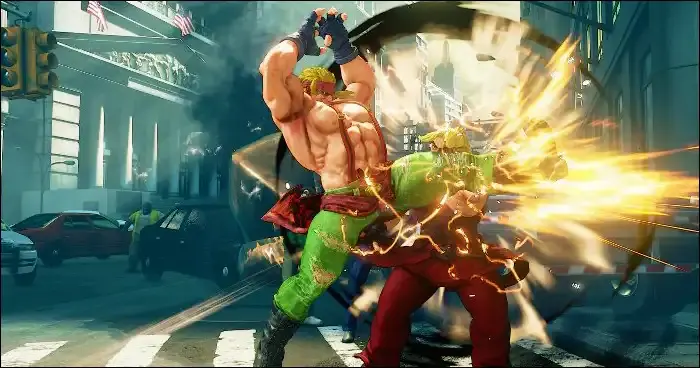
New mechanics aimed to balance gameplay dynamics but ultimately reduced player expression regarding character strategies.
Despite the hurdles, sales initially lagged, reaching only 1.5 million copies in the first year. Yet, noticeable adjustments were made, including fixing input lag and crowning a champion.
The debut of Akuma brought some revitalization, though many felt the core issues persisted.
With the implementation of a balance update in Season 2, significant changes were made to many previously dominant characters, altering the landscape of competitive play.
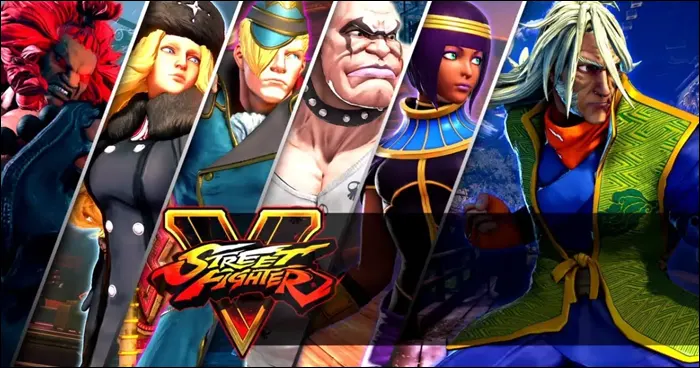
Abigail marked a turning point, as newer characters injected vitality into a game that had begun to feel stagnant.
In early 2018, the arrival of Street Fighter 5: Arcade Edition brought welcome updates, including balance adjustments and the return of an Arcade Mode.
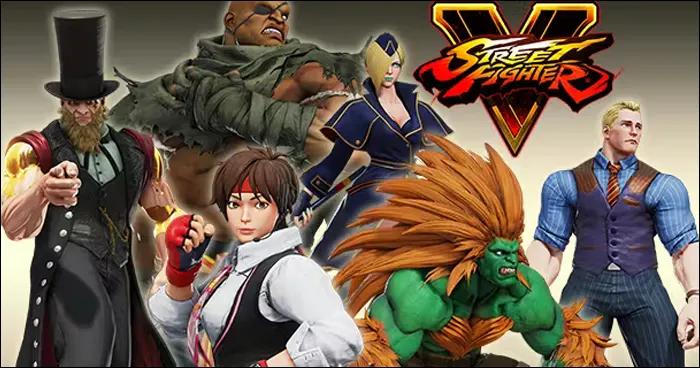
This update also reintroduced fan-favorite fighters while adding fresh characters, enriching the gameplay experience significantly.
The community felt revitalized, with weekly missions offering exclusive crossover costumes giving players new incentives.
Later, Season 4 presented its own set of challenges, introducing new characters at a slower pace but further refining gameplay mechanics.
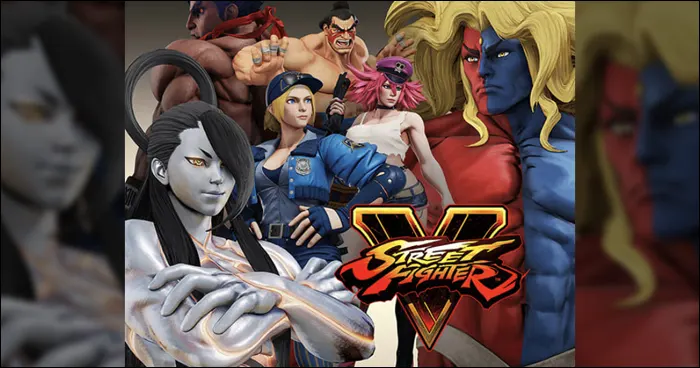
As the game entered its final seasons, it welcomed characters with distinct backstories and skills that kept players interested. The emergence of Luke heralded the final chapter of Street Fighter 5.
Though his initial reception was mixed, he sparked important conversations regarding character balance following final tweaks.
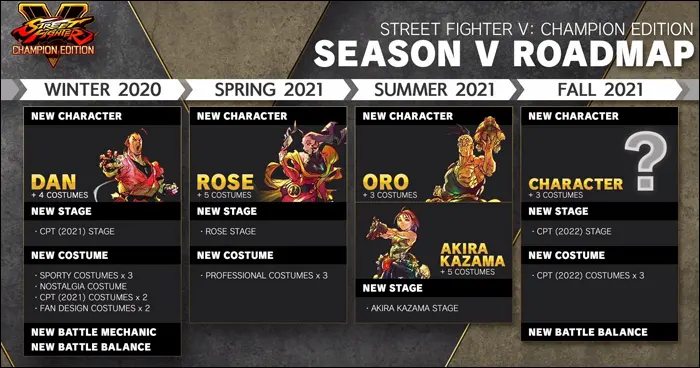
Ultimately, Street Fighter 5 concluded its journey on a strong note, boasting a rich variety of characters and gameplay options. The developers spent years refining their product, but some players never returned after the rocky start.
The legacy of Street Fighter 5 is dual-edged, encompassing early missteps and eventual redemption. Today, it stands as one of the most content-rich entries in the series.
jokes aside happy 10th to a game that was dogwater garbage on release and ended up among my favourite fighting games of all time
p.s. bring back oro
Now, a decade later, sales have reached 7.9 million, highlighting its status as one of Capcom’s top performers.
As we look ahead, Street Fighter 6 is already gaining momentum, selling 6.36 million copies since its launch.
The prolonged support for Street Fighter 5 exemplified Capcom’s commitment to evolve beyond its previous strategy, resonating positively with both players and critics alike.
Lessons from the challenges of Street Fighter 5 have informed the development of Street Fighter 6, ensuring a smoother experience for fans. Though Street Fighter 5 found its footing by the end, it’s often overshadowed by the success of its successor.
Despite its rocky start, the journey of Street Fighter 5 is a testament to perseverance, and today, we’re reminded that those early challenges helped shape the future of the franchise.
So here’s to Street Fighter 5 on its 10th anniversary—a flawed gem that ultimately came into its own.