

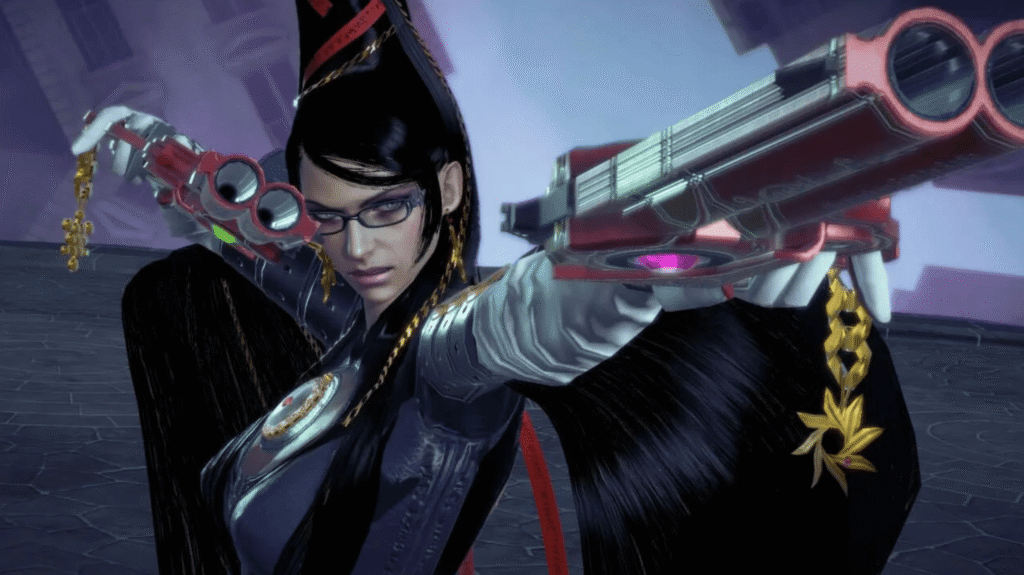
Farewell to Bayonetta: A Complex Legacy
Reflecting on the profound impact of Bayonetta 3, it’s fitting to delve into the nuances that have shaped the discourse around this iconic character. The game, which debuted in 2022, sparked considerable discussion, not just for its gameplay but for its portrayal of complex themes and relationships. Players, especially within the queer community, connected with Bayonetta’s character, offering fertile ground for analysis.
Since her inception, Bayonetta has become a symbol of empowerment and femininity, often viewed through a queer lens. Her striking design and exaggerated feminine attributes invite admiration from diverse audiences. Such portrayals resonate with queer fans, seeing elements of themselves reflected in these larger-than-life figures. This duality—where Bayonetta serves as both a fantasy for heterosexual men and a diva for queer individuals—creates a fascinating tension within gaming culture.
A key aspect of Bayonetta’s appeal lies in her relationship with fellow witch Jeanne. Many fans have speculated about the romantic undercurrents between the two, even without explicit confirmation from the game’s narrative. Hopes that Bayonetta 3 might validate this interpretation were met with unexpected outcomes, often deviating from fan expectations.
As the plot unraveled, some players found themselves disheartened by the depiction of relationships and how they aligned with broader societal narratives. The game positioned Bayonetta alongside a male character, Luka, underscoring traditional romantic tropes that felt incongruous with her established independence. This decision examined female agency and how it can dissolve in gendered relational dynamics.
This theme culminated in a revelation that struck many as both disheartening and perplexing. The reintroduction of the Adam and Eve narrative leaned heavily into established patriarchal constructs that have long marginalized female voices. As Bayonetta embraced notions surrounding domesticity and sacrifice through her connections with Luka, the implications raised eyebrows and sparked conversations about representation and narrative choices in gaming.
Despite the game’s ambitious storytelling and complex lore, many fans grappled with seeming contradictions within the narrative. Bayonetta’s evolution throughout the series has been marked by defiance against conventional gender norms, yet the final installment’s plot presented a stark departure from this journey.
The transition of Bayonetta 3 concludes with a sacrifice of its main character and a challenging dynamic for the new character, Viola. Viola’s journey becomes overshadowed by her predecessors, leading to questions about character depth and representation within a series that initially prided itself on strong female characters.
Looking ahead to the future of this franchise, it’s difficult to predict how the story will evolve without its original creator. With a new team potentially at the helm, many fans hope for a reimagining that respects Bayonetta’s roots while addressing the narrative pitfalls faced in this latest outing.
Key Takeaways
- The character of Bayonetta bridges various fan communities, appealing to both straight male audiences and queer fans.
- Speculations about her romantic relationships, particularly with Jeanne, highlight complexities in gaming narratives.
- The conclusion of Bayonetta 3 raised significant questions regarding traditional portrayals of female agency and partnership in video games.
- Fans remain hopeful for continued exploration of Bayonetta’s character with shifts in creative direction.
- The mixed reception of Bayonetta 3 underscores a broader conversation about evolving narratives around female protagonists and their relationships.