

MWC: The Spectacle of Innovative Phones, But Accessibility Remains a Challenge
Tech events like the Mobile World Congress (MWC) present a refreshing contrast, showcasing the latest in innovation. The recently concluded MWC was a hub of creativity with attendees eager to explore futuristic designs, including foldable, flippable, and ultrathin models. These cutting-edge devices embody the ingenuity that distinguishes them from traditional smartphones.
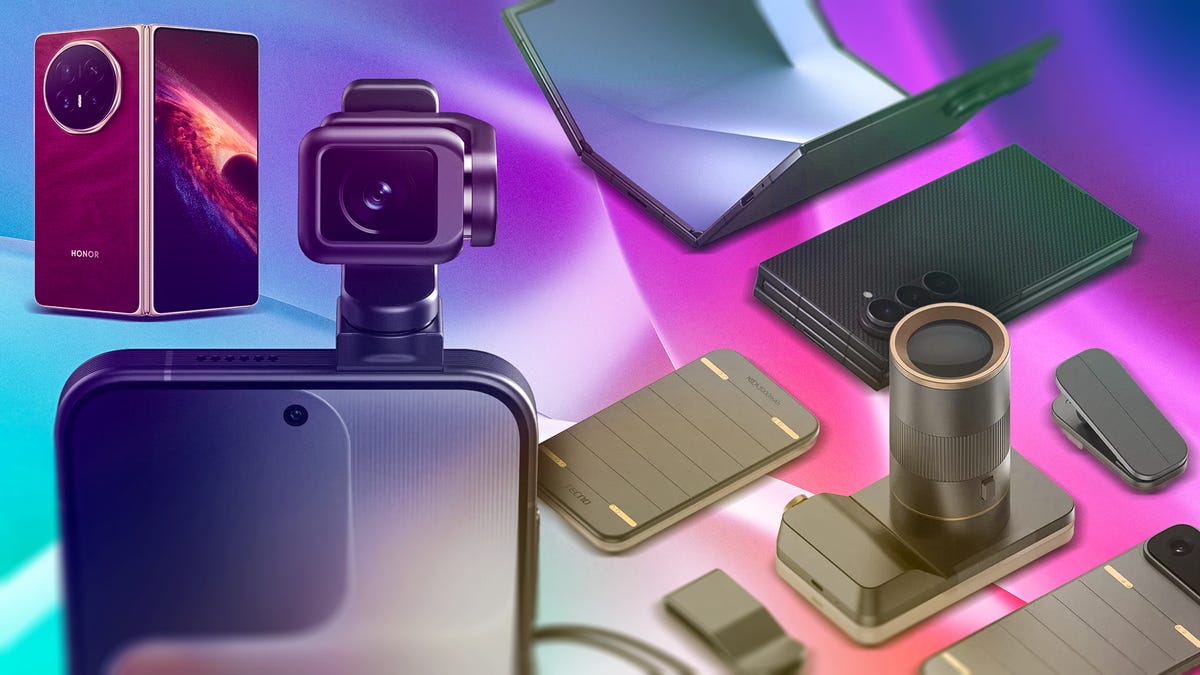
Some breakthroughs are already on the market, like Samsung’s Galaxy Z Trifold and Huawei’s Mate XTs, while other concepts remain intriguing possibilities. Tecno’s innovative Phantom Ultimate G Fold and its modular phone hint at the future of mobile technology. Upcoming devices such as Honor’s Robotic Phone and Motorola’s stylish Razr Fold generated excitement among attendees eager to embrace the next generation of smartphones.
Despite the dazzling displays at MWC, only a fraction of the latest designs are seeing widespread adoption. Recent data indicates that while foldable phone shipments witnessed significant growth—14% year-over-year—this segment constitutes only 2.5% of the overall market. Other models have also struggled in terms of consumer excitement, highlighting a disconnect between hype and real-world usage.
Industry experts point to practicality as a prevailing concern. Consumers often shy away from products that prioritize flair over usability. While manufacturers continue to innovate, many designs remain more spectacle than essential tool.
Niche devices are yet to prove their practical value, particularly foldables and ultra-thin models, which still lag behind their conventional counterparts in performance. Both categories sacrifice important specs to achieve their sleek designs, and until they can deliver a full-fledged experience that rivals traditional phones, the allure of these models may wane.
Furthermore, the price point for unique smartphones is a significant barrier. Foldable devices can cost around $2,000, with trifold variants pushing close to $3,000. Even slimmer models generally hover around the $1,000 mark, making them less accessible for the average consumer.
Ultimately, many find comfort in the familiarity of a standard smartphone. Despite the appeal of groundbreaking designs, most users return to simpler devices that meet their everyday needs—great cameras, sufficient battery life, and a user-friendly interface. The resemblance between current models and those from a decade ago raises an important question: does it truly matter if they continue to serve their purpose effectively?
The pursuit of innovative designs in mobile technology is admirable, and ongoing efforts to disrupt the market bring hopeful signs for the future. However, if consumers tend to stick with what they know, these stunning mobile devices might remain overshadowed by more traditional offerings.
Key Takeaways
- Stagnation vs. Innovation: While annual smartphone launches often seem repetitive, events like MWC spotlight true innovation.
- Market Dynamics: Despite advancements in foldable technology, its market share remains small compared to traditional smartphones.
- Practicality Rules: User preferences often favor practicality over aesthetics.
- Cost Implications: The high price of unique devices limits accessibility.
- Consumer Habits: Many consumers gravitate back to familiar models that meet their needs.