




In an era dominated by the attention economy, various digital platforms vie for our concentration, leaving many searching for solutions to enhance productivity. People are turning to focus apps in hopes of filtering out distractions while they study or work. These applications promise to help users reclaim their time by limiting access to distracting sites and apps.
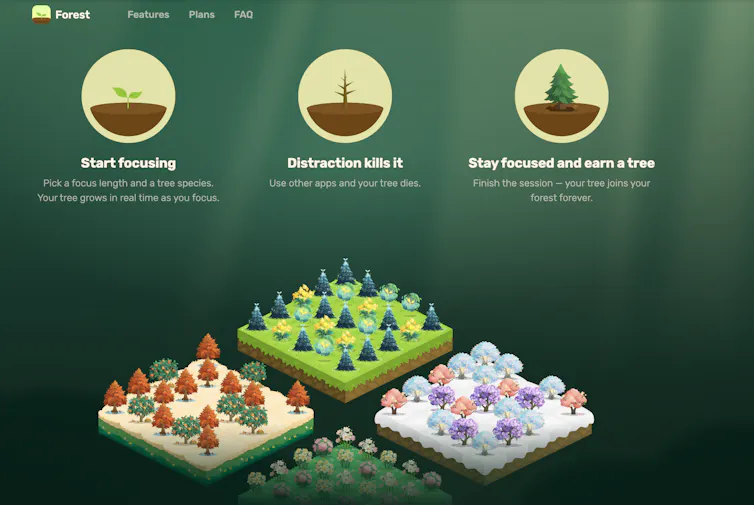
From initiatives like growing virtual forests in the Forest app to using Apple’s Screen Time, there’s an array of tools catered to productive living.
However, insights reveal that these digital distractions may lead to negative impacts, particularly for those who are neurodivergent. Research indicates that many of these apps inadvertently exacerbate feelings of inadequacy.
Misaligned Features
About 10 to 20 percent of the population identifies as neurodivergent, manifesting in conditions like ADHD, autism spectrum disorders, and anxiety. This number is more pronounced in university settings, where many students opt not to disclose their neurodivergent status—resulting in underrepresented needs among users of focus apps.
While aimed at increasing productivity, studies indicate that the rigid structures these apps employ often do not align with how neurodivergent individuals naturally operate. The design of these tools does not adequately accommodate their unique strengths, such as the ability to hyperfocus, potentially heightening feelings of shame regarding their productivity.

Focus Isn’t a Switch
Most focus apps operate on the premise that there is a universal method to focus, typically through fixed duration settings that restrict access to distractions. For instance, the Pomodoro Technique advocates for continuous work in 25-minute focused segments.
Feedback from participants indicated that focus can’t simply be toggled on and off. Many neurodivergent individuals face challenges like executive dysfunction, complicating task management, or sensory overload, making it difficult to concentrate. Additionally, achieving beneficial levels of hyperfocus might demand longer periods than a standard focus block allows.
Finding Relief through Digital Means
A noteworthy aspect of the research revealed that some neurodivergent students intentionally disengage their distraction blockers to seek distractions. This behavior, often misunderstood, is a vital self-regulation technique termed “digital stimming,” where engaging with familiar online content helps manage cognitive overload and facilitates smoother transitions into challenging tasks. However, this can lead to doomscrolling if not monitored, as current tools rarely facilitate a comfortable middle ground.
The Burden of Dependency
These struggles remind neurodivergent students of their unique cognitive profiles. Many felt a sense of shame while utilizing distraction blockers, especially when internal benchmarks for productivity weren’t met. Others worried about the stigma of relying on these tools, equating them to a “crutch” and deepening their feelings of inadequacy.
Redesigning for Inclusivity
The effective integration of distraction blockers requires moving beyond one-size-fits-all solutions. Our conclusions suggest three key strategies for reimagining future designs:
1. Champion digital stimming: These apps could offer familiar content that soothes anxiety and allows for gradual transitions into focused work.
2. Prioritize goals over timers: Instead of arbitrary time frames, distractions could be limited based on task completion, elevating user agency.
3. Build bridges, not barriers: Reframing tools as instruments for personal growth can help users embrace their variability in focus.

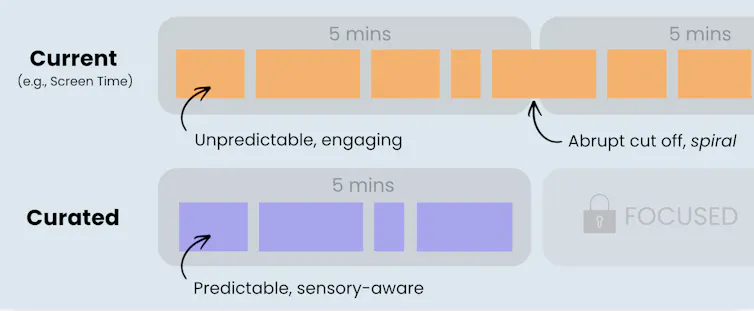
At their core, focus apps should cater to a diverse range of cognitive styles rather than impose a single model of productivity. With thoughtful design improvements, these tools can inspire users and alleviate the guilt often associated with needing additional support.
Key Takeaways
- Focus apps currently lack flexibility, failing to accommodate the diverse needs of neurodivergent users.
- The cognitive styles of neurodivergent individuals can lead to challenges with traditional productivity techniques.
- Many neurodivergent students use distraction blockers but feel shame associated with their effectiveness.
- A more user-centered approach to app design could empower neurodivergent individuals without promoting guilt.
- Engaging with familiar digital content as a form of self-regulation can be therapeutic for some, highlighting the need for better support tools.