



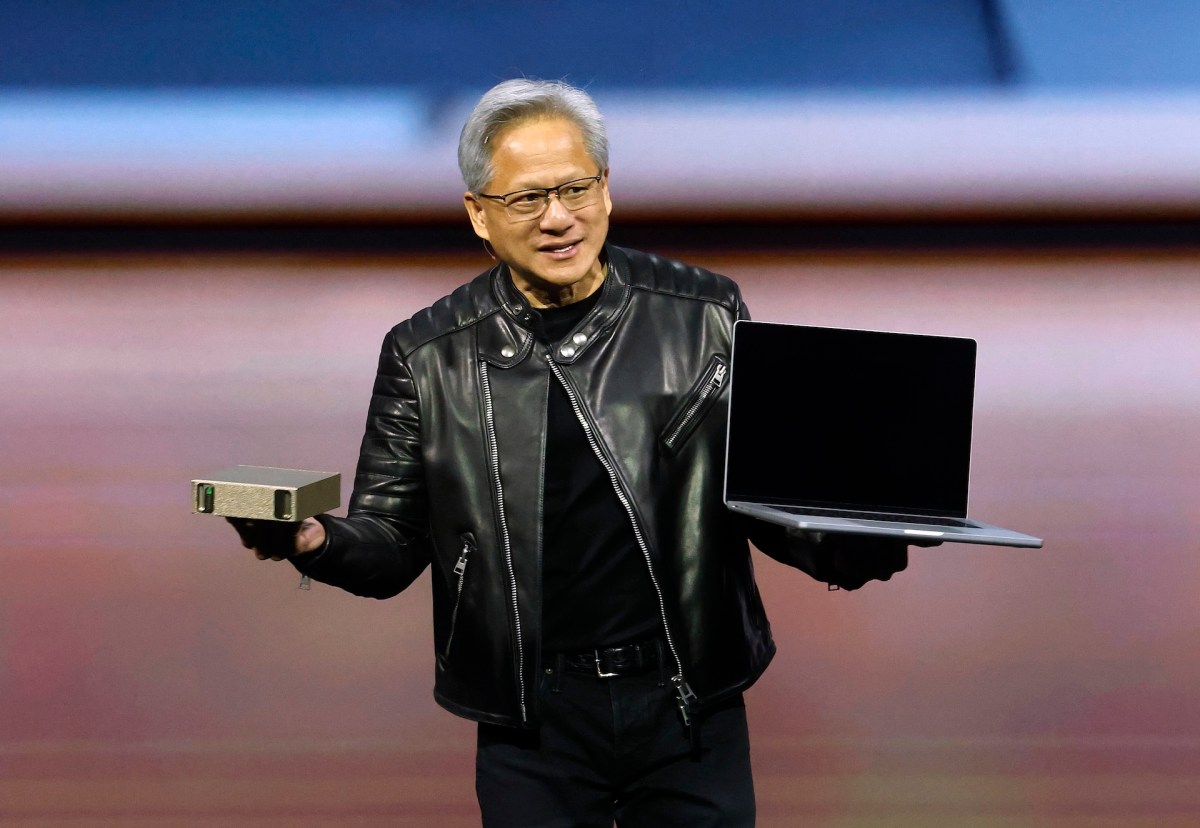
Nvidia electrified the Computex tech expo in Taipei by launching its latest CPU, the RTX Spark, a powerhouse that aims to revolutionize how we interact with AI through computers. Major brands like ASUS, Dell, HP, Lenovo, Microsoft, and MSI are gearing up to roll out AI-enabled PCs equipped with this advanced chip starting this fall.
The RTX Spark boasts impressive computing capabilities, clocking in at a remarkable 1 petaflop. It is engineered to smoothly run AI agents while also prioritizing security. Buyers can look forward to devices from top brands—Acer and Gigabyte are also expected to join the lineup soon.
Equipped with secure sandboxes developed alongside Microsoft, these devices will house enough computing power, including CPU, GPU, and RAM, to support local installations of large language models, making them exceptionally versatile.
Nvidia projects that its new RTX technology will enhance AI performance, boost image quality, and integrate AI features across an impressive range of over 1,000 applications and games. The firm is positioning this technology not just for gamers but also for creators focused on AI content creation. Major software names are already on board to support this innovative chip.
However, the CEO sees a vision that extends far beyond traditional applications, aiming to revolutionize user interaction by minimizing the time spent launching apps or performing manual tasks. This future envisions a seamless integration of creative and gaming workflows.
There is also a promising $200 billion opportunity in the CPU market for AI, not just in GPU sales. A highly advanced server CPU has already shown strong market traction.
Ambitious goals include envisioning “billions of agents” utilizing tools akin to PCs, indicating a substantial demand for processor units in the near future.
Nvidia has previously explored ARM-based Windows devices with mixed results. Yet, with renewed ambition and impressive quarterly performances, the RTX Spark presents a new paradigm. Microsoft is promoting its version as the Surface Laptop Ultra, “the most powerful Surface Laptop ever built.”
While PC manufacturers have yet to provide comprehensive details, including pricing, these systems appear to be sophisticated Windows counterparts to Nvidia’s existing mini-computer.
The future will reveal whether these new PCs can compete effectively on price with budget-friendly alternatives or if they will cater exclusively to the premium segment in the PC landscape.
If successful, this development could have significant implications for the tech industry.