



Crafting Unique Gaming Experiences: The Making of Control Resonant
Creating video games can be challenging, especially when venturing into new genres. This complexity multiplies when developers aim to design games with distinctive landscapes and gameplay mechanics that push traditional boundaries.
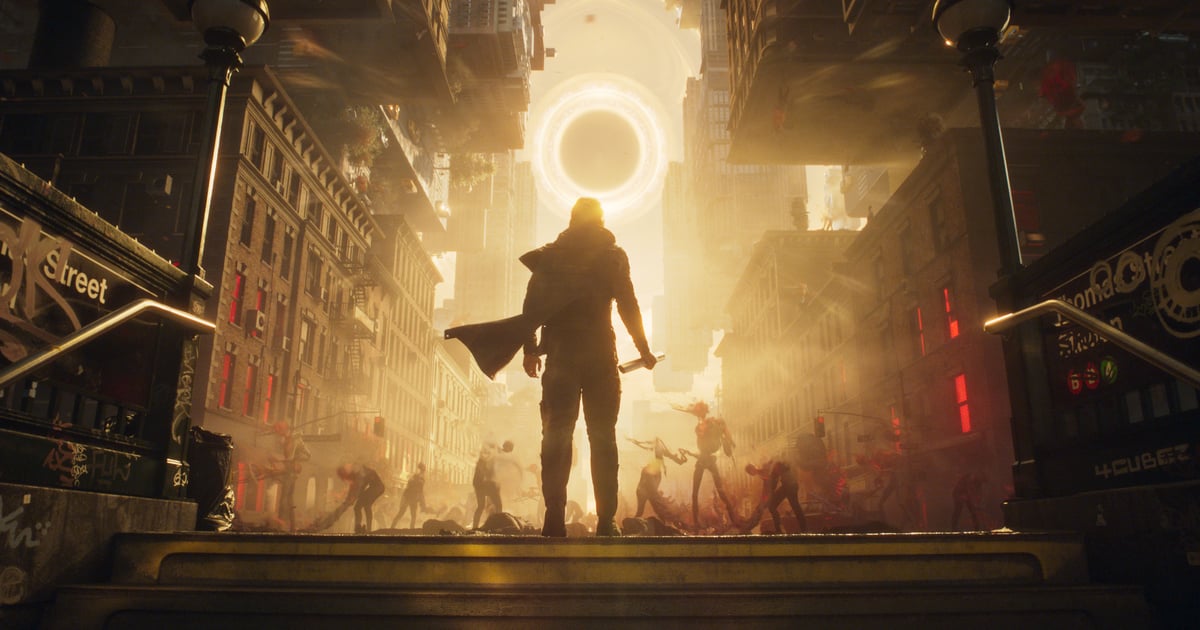
Remedy Entertainment has taken on this task with its upcoming title, Control Resonant. Set to debut later this year, this sequel introduces players to Dylan Faden, brother of the series’ initial protagonist. Unlike Jesse, who relied on firearms, Dylan’s approach focuses on melee combat. The stage for this new chapter is New York City, framed within a bizarre narrative that struggles to find parallels in existing game design. Creative Director Mikael Kasurinen acknowledges that such an ambitious project can leave development teams feeling disoriented.
“Control has always revolved around a comprehensive world, not just a single character,” Kasurinen remarked during an interview, discussing the franchise’s broader storytelling scope. He also pointed out that Control Resonant is Remedy’s largest project to date.
To clarify the game’s vision and guide his team, Kasurinen devoted considerable time to defining core themes before sharing these ideas across the production staff. This method helped solidify their focus, allowing team members to better grasp their roles in bringing Control to life.
A Long Road to Development
Development for Control Resonant began shortly after the release of its predecessor in 2019. Kasurinen initiated the project with early concept discussions and a focus on prototyping, adapting to the complexities of creating a large-scale game.
Reflecting on the timeline, Kasurinen noted that the preliminary phases were characterized by brainstorming and technology setup. “During this time, we were building processes and preparing for full production, which eventually took two to three years.”
A pivotal element in their approach is what he describes as “vision propagation.” This begins with a small group of leads collaborating on foundational concepts. Once they reach clarity, these leads return to their respective teams, gradually sharing game objectives and adjusting workflows accordingly.
Kasurinen emphasized that while his role starts with introducing big ideas, the responsibility transitions to team leaders as development progresses. “By the end, I mostly review their work,” he shared, adding that his colleagues are invested in shaping the game.
Once the team feels a shared enthusiasm, they tackle challenges with vigor and determination. This collaborative spirit cultivates a sense of ownership that bolsters creativity, especially when encountering unforeseen hurdles—like implementing gameplay mechanics that direct players through gravity-defying environments.
“If a roadblock arises, I can recognize it and suggest moving in a different direction, but that commitment to adaptability must be there, unified within the team,” he asserted.
In the end, the collective understanding of their creative vision is paramount. Without that cohesion, “the team can lose clarity about what is truly essential.”
Key Takeaways
- Clear Vision Matters: Establishing a strong game concept early on helps guide the creative process.
- Community Engagement: Involving team members in decision-making nurtures ownership and investment.
- Adaptability is Key: Being flexible in approach allows teams to navigate challenges effectively.
- Collaborative Leadership: Empowering leaders within the team facilitates responsibility and accountability.
- Nuanced Design: Innovative gameplay mechanics and settings require depth and consideration to resonate with players.
By reflecting on these elements, we can better appreciate the intricate journey of game development and its impact on the final product.