



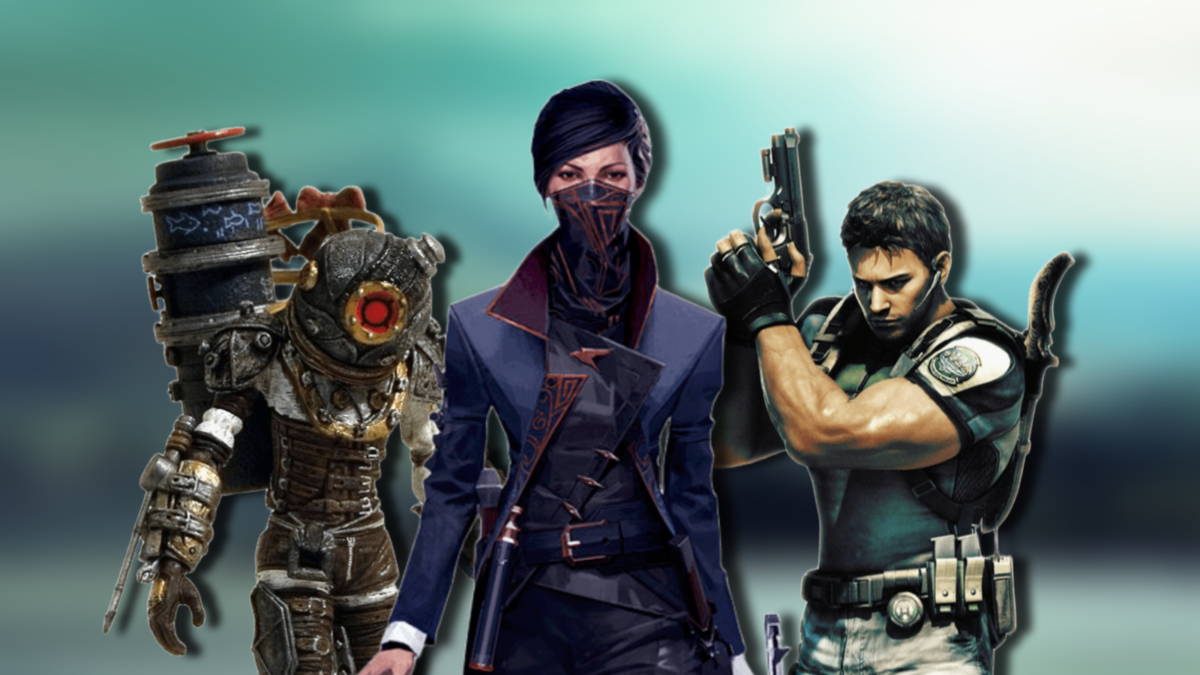
The Subtle Unraveling of Gaming Trends: Reflections on a Generation
Video games have significantly shifted from niche forms of entertainment to a multi-faceted global industry appealing to diverse age groups and backgrounds. This transformation highlights an unprecedented rate of change, with rivalries emerging between genres, platforms, and technologies. Several trends reveal how the gaming landscape has dramatically transitioned over the years, quietly marking the conclusion of an era for various beloved elements.
Interest in these gaming elements has dwindled, leaving gamers unaware of their impending farewell until years later. Here’s a look at ten trends that signaled the change, possibly catching players off guard at the time.
1. The Stealth Genre’s Vanishing Act
Once strongholds of franchises, the covert gameplay style in major releases has become increasingly rare. Stealth mechanics are now mere options in broader action games, limiting dedicated games in this genre and indicating a waning interest that may be hard to reverse.
2. The Demise of Movie Tie-Ins
Adapting blockbuster films into video games was nearly a rite of passage in the late 90s and early 2000s. However, as gaming matured, tie-ins evolved into standalone experiences, with successful franchises often more aligned with original concepts than cinematic lore, reflecting a shift in creative standards.
3. Extreme Sports: A Fading Trend
The thrill of extreme sports titles has diminished as public interest shifted towards more realistic portrayals in gaming. Flashy tricks and over-the-top environments have given way to grounded experiences, with only skateboarding maintaining a precarious presence in the marketplace.
4. The Fall of Toys-to-Life
Once vibrant, the toys-to-life phenomenon has largely faded. Though some games continue to resonate, the market landscape has evolved to prioritize digital experiences over physical toys, demonstrating how quickly interests can shift.
5. Mascot Platformers Stand Silent
Characters like Crash Bandicoot and Sonic once thrived, serving as pillars for brand identity. However, such titles have become increasingly rare, and the platforming genre has seen a decline, with mascot-driven franchises largely regarded as relics of the past.
6. Multiplayer Modes Don’t Belong in Single-Player Games
While multiplayer modes can enhance playability, their forced presence in single-player titles has often led to unbalanced experiences. Developers are learning to create narratives that stand alone, free from additional gameplay mechanics that don’t enhance the core story.
7. Motion Control: A Missed Opportunity
Innovations promised new interactive experiences but stumbled due to limited appeal and high costs. These devices left behind an impression of underwhelming potential, highlighting the importance of grounded innovation.
8. Fixed Camera Angles: A Gaming Staple Re-evaluated
Once defining features, fixed camera angles have largely been replaced by player-controlled perspectives, enhancing gameplay dynamics. Modern gaming has shifted towards user-controlled experiences, marking a significant departure from past practices.
9. Cover Shooters: A Slower Approach to Action
The era of the cover shooter has waned as preferences lean towards faster-paced, dynamic gameplay. This change mirrors shifting consumer expectations for action games, indicating that cover-centric mechanics are losing ground.
10. “Real is Brown”: Dull Colors, Bright Future
A trend of desaturation once dominated the gaming aesthetic. Thankfully, many developers now embrace vibrant visuals and storytelling, rejuvenating the gaming community’s connection to creativity.
Key Takeaways
- Staying Open: Gaming is ever-evolving, urging adaptation and readiness for change over nostalgia.
- Expressive Imagination: Creativity unbound by templates can lead to innovative storytelling and gameplay.
- Cultural Shifts: Understanding public interest shifts can guide product creation that engages authentically.
- Community Resilience: Communities often adapt and merge the old with the new, despite fading styles.
- Reflection and Growth: Changes in trends offer insights, prompting reflection on what enhances or detracts from enjoyment.
As we navigate through this terrain, it becomes clear that trends may come and go, yet the essence of gaming—exploration, imagination, and connection—remains timeless.