



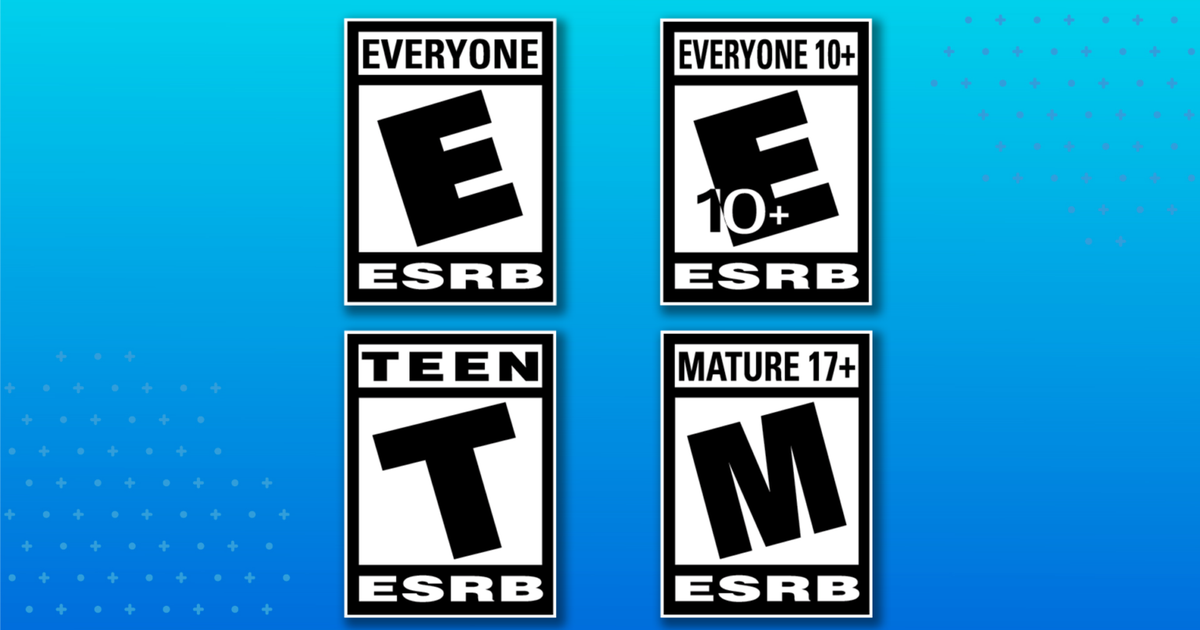
ESRB Stands Firm: Won’t Adopt PEGI’s New Age Rating Methodology in the US
The Entertainment Software Rating Board (ESRB) has announced that it will not be implementing the recent changes introduced by the Pan European Game Information (PEGI) system. PEGI revealed last week that it would introduce four new categories to its age ratings, aimed at addressing concerns related to in-game purchases such as loot boxes.
A representative from ESRB expressed that adopting PEGI’s new approach could lead to confusion among parents. Currently, the ESRB provides information about specific game features through supplementary labels. The Board believes that merging these details into a single age rating might obscure crucial information that parents need.
According to the ESRB, “Our studies show that parents appreciate clear warnings regarding features like online interactions and real-money transactions. However, if non-content-related elements were to influence the main rating, it could create uncertainty.” Therefore, the ESRB has opted to maintain its existing rating system, focusing strictly on game content.
In response, PEGI acknowledged the valid concerns noted by ESRB, highlighting the challenge of balancing comprehensive information while ensuring ratings remain practical and user-friendly. The integration of new rating elements must be handled carefully to avoid losing essential details that inform parents about what their children may encounter in games.
With PEGI’s updated classifications set to take effect in June, the gaming community is eager to see how these reforms will impact upcoming titles. The changes are expected to significantly affect the age rating of EA Sports FC, which could rise from PEGI 3 to PEGI 16. Similarly, the Pokémon spin-off, Pokémon Pokopia, might face an increased rating of PEGI 7 due to its design that encourages player engagement.
While recently released games will retain their existing ratings, PEGI has confirmed that it plans to reassess live service games periodically. Noted complexities involved in categorizing legacy titles indicate that the task is more intricate than it appears.
These shifts represent a preliminary step, emphasizing the importance of adequate time to develop effective criteria: “We need to ensure that our updates are thorough. Keeping track of in-game purchases and other evolving elements has been a priority for the past seven years and has culminated in a robust database.”
As the conversation also touched on the much-anticipated Grand Theft Auto 6, there was a thoughtful perspective regarding game content and age appropriateness for younger players.
Key Takeaways
- ESRB maintains that detailed supplemental labels are crucial for parental guidance.
- PEGI’s new rating system aims to address contemporary gaming features, including in-game purchases.
- The upcoming changes from PEGI could drastically alter age ratings for significant titles.
- ESRB emphasizes limitation to content and context for age rating assignments.
- Both rating bodies recognize the balance between comprehensive information and practical usability for consumers.