



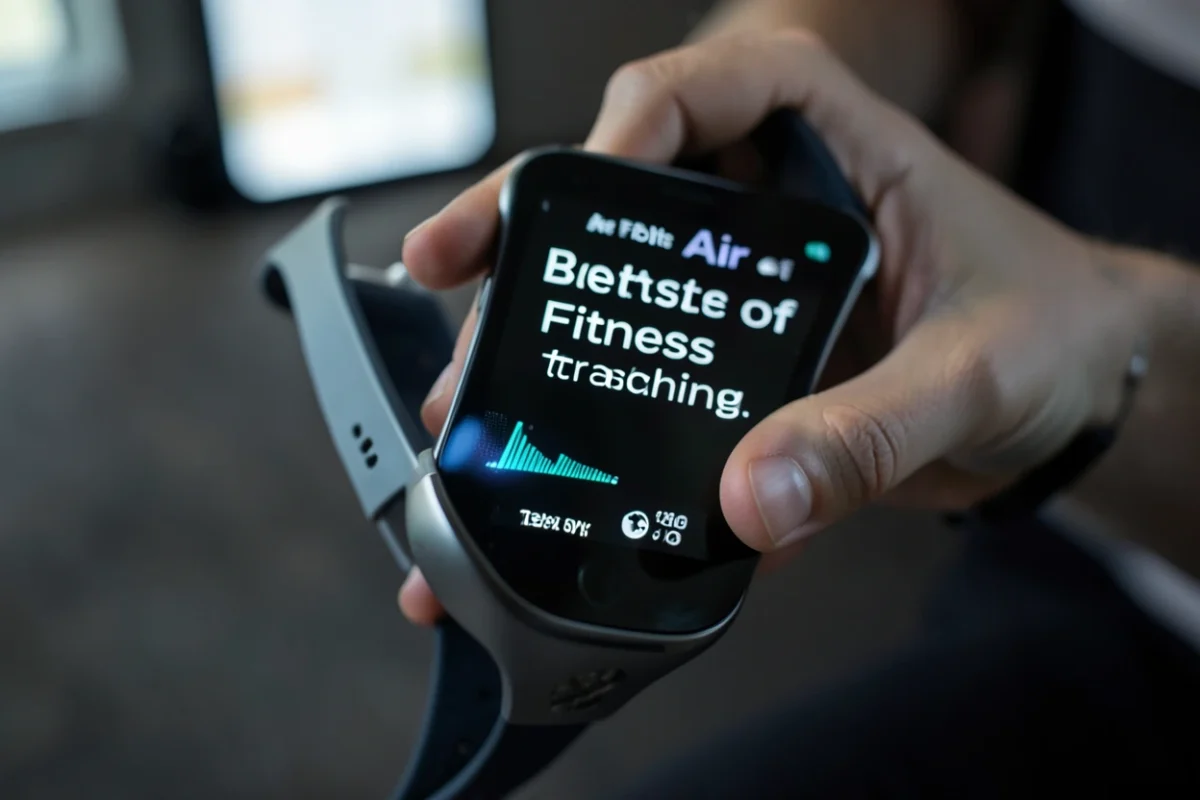
The Fitbit Air stands out as a refreshing return to simpler fitness tracking. This device leans into minimalism by stripping away advanced features, allowing users to reconnect with the core idea of fitness monitoring.
Reflecting on the early days of fitness bands, we appreciate that trackers then were uncomplicated, offering straightforward functionality. At that time, smartwatches hadn’t captured the consumer’s imagination, and many fitness trackers were both user-friendly and affordable.
Models like the Jawbone Up3 and the Fitbit Charge HR debuted over a decade ago at about $150, contrasting sharply with today’s pricier options. Adjusted for today’s economy, that price is around $210, still significantly lower than many flagship wearables that can exceed $350.
The fitness trend of that era felt accessible to everyone, with brands fiercely competing, leading to a variety of options. Today, the Fitbit Air reestablishes the notion that fitness tracking can be both functional and affordable, retailing for $100.
A notable feature of this device is its integration with the Google Health app. While a subscription plan is available for advanced features, purchasing the Fitbit Air alone allows consumers to enjoy its benefits without additional costs.
The AI Health Coach within the app personalizes health recommendations by considering individual fitness goals and lifestyle factors, making interactions feel engaging. Users can manually log their activities or communicate them to the AI using natural language, creating a seamless experience as the AI adapts goals based on user input.
The Fitbit Air is lightweight and discreet, featuring a main module that fits into stylish bands of various colors, allowing users to express their personal style. The absence of a screen simplifies the design, minimizing distractions from constant notifications.
Through its extensive experience in health tracking and the backing of Google’s technological expertise, the Fitbit Air signals a new wave of thoughtfully designed wearable technology that encourages us to focus on fitness without overwhelming complexity.
Key Takeaways
- The Fitbit Air embraces a minimalist approach, making it easy to use for fitness tracking.
- It retains affordability, positioned against higher-end competitors.
- Integration with Google Health enhances functionality while offering optional subscription features.
- The AI Health Coach provides personalized insights, adapting to individual health needs and lifestyle choices.
- The lightweight design without a screen reduces distractions, promoting a focused fitness journey.
- The Fitbit Air reflects a thoughtful balance between nostalgia for earlier fitness trackers and modern technology advancements.