



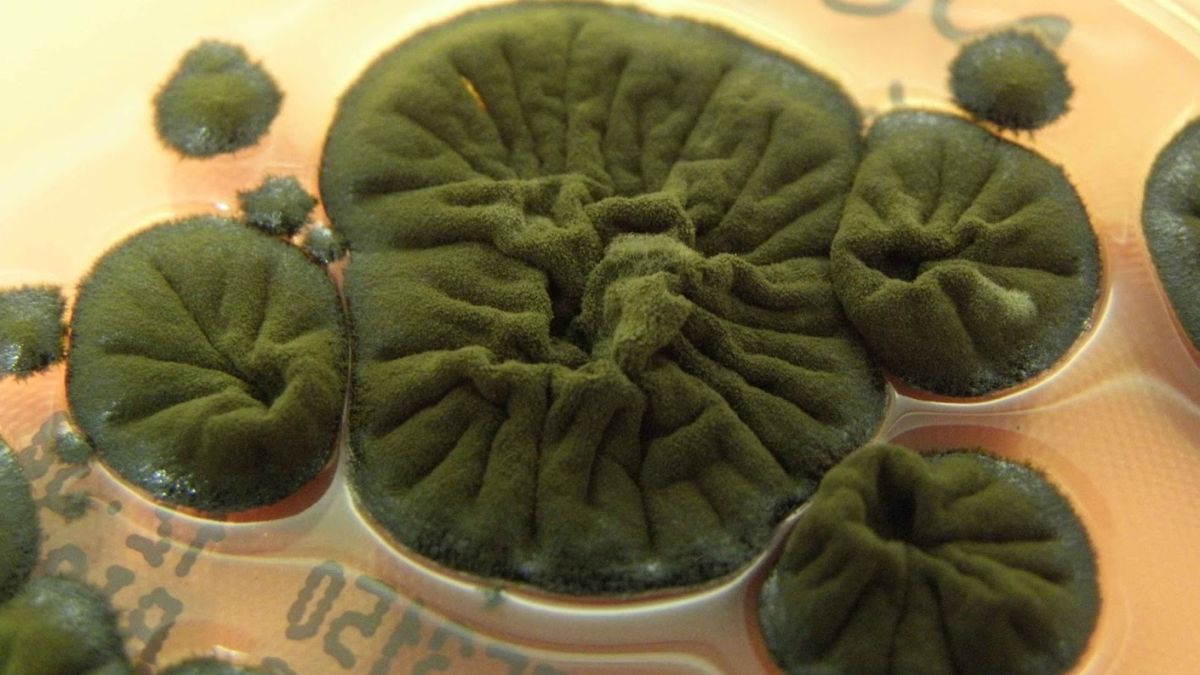
In a stark reminder of nature’s resilience, the Chernobyl Exclusion Zone, long considered uninhabitable for humans, has become a unique haven for various organisms. Following the catastrophic explosion of the Chernobyl Nuclear Power Plant’s Unit Four nearly four decades ago, a multitude of life forms have settled in this radioactive territory and appear to thrive amid the dangers posed by radiation.
Among these survivors is an extraordinary fungus, Cladosporium sphaerospermum, which may have developed an exceptional ability to utilize ionizing radiation, enabling it to thrive in an environment harmful to most living beings. This unique property is thought to be linked to melanin, a dark pigment that may allow the fungus to absorb radiation in a process similar to how plants use sunlight in photosynthesis, a concept termed radiosynthesis.
While this theory offers exciting possibilities, scientists have yet to fully unravel how or why this fungus flourishes in high-radiation areas. The curious findings first emerged in the late 1990s when researchers explored the Chernobyl Exclusion Zone and uncovered a diverse range of fungi, documenting an impressive 37 species, many exhibiting rich dark hues attributed to high melanin content.
C. sphaerospermum not only dominated the samples but also displayed elevated levels of radioactive contamination. Subsequent studies have demonstrated that exposing this fungus to ionizing radiation does not seem to harm it, unlike other organisms. This resilience raises questions about its metabolic processes and could pave the way for potential applications in radiation protection.
Ionizing radiation can cause significant damage, breaking apart molecules and wreaking havoc on DNA structures, often resulting in dire health consequences for humans. Interestingly, C. sphaerospermum appears to benefit from radiation exposure, even flourishing under such conditions. Other experiments indicate that radiation alters the behavior of its melanin, suggesting further avenues for exploration.
A pivotal study in 2008 proposed that this fungus might be harvesting ionizing radiation to create energy through a mechanism akin to photosynthesis. Melanin may serve as a light-harvesting agent and a protective shield against radiation, adding layers to our understanding of its interaction with this harmful element.
A 2022 study expanded on this research by attaching C. sphaerospermum to the exterior of the International Space Station. Results indicated that this fungus could potentially act as a radiation shield, hinting at its unique capabilities. However, researchers are still grappling with proving whether this organism can metabolize energy from ionizing radiation.
The potential of radiosynthesis remains tantalizing. Some scientists liken it to concepts often seen in science fiction. Simultaneously, it’s clear that this resilient fungus is managing and possibly thriving in an environment that remains perilous to most life forms.
Beyond C. sphaerospermum, other notable fungi show varied responses to radiation. For example, Wangiella dermatitidis has demonstrated enhanced growth in the presence of ionizing radiation, while another species, Cladosporium cladosporioides, displayed increased melanin production but not growth under similar conditions. These observations suggest differing biological adaptations among these fungi.
As research continues, critical questions linger: Is its ability to utilize radiation an adaptation that allows it to capture energy from a hostile environment or merely a survival tactic? What stands out is that this unassuming fungus may be tapping into a dangerous element, forging a path for life in one of the world’s most forbidding settings.
Key Takeaways
- The Chernobyl Exclusion Zone serves as a unique habitat for various organisms despite its hazardous radiation levels.
- Cladosporium sphaerospermum has shown a remarkable capability to thrive in environments laden with ionizing radiation.
- Researchers speculate that the fungus may utilize melanin to harness ionizing radiation in a process similar to photosynthesis, tentatively called radiosynthesis.
- Recent studies are examining the potential use of this fungus as a biological shield against radiation, suggesting applications for space missions.
- Ongoing research is needed to fully understand the mechanisms of radiosynthesis and its implications for biology and biotechnology.