

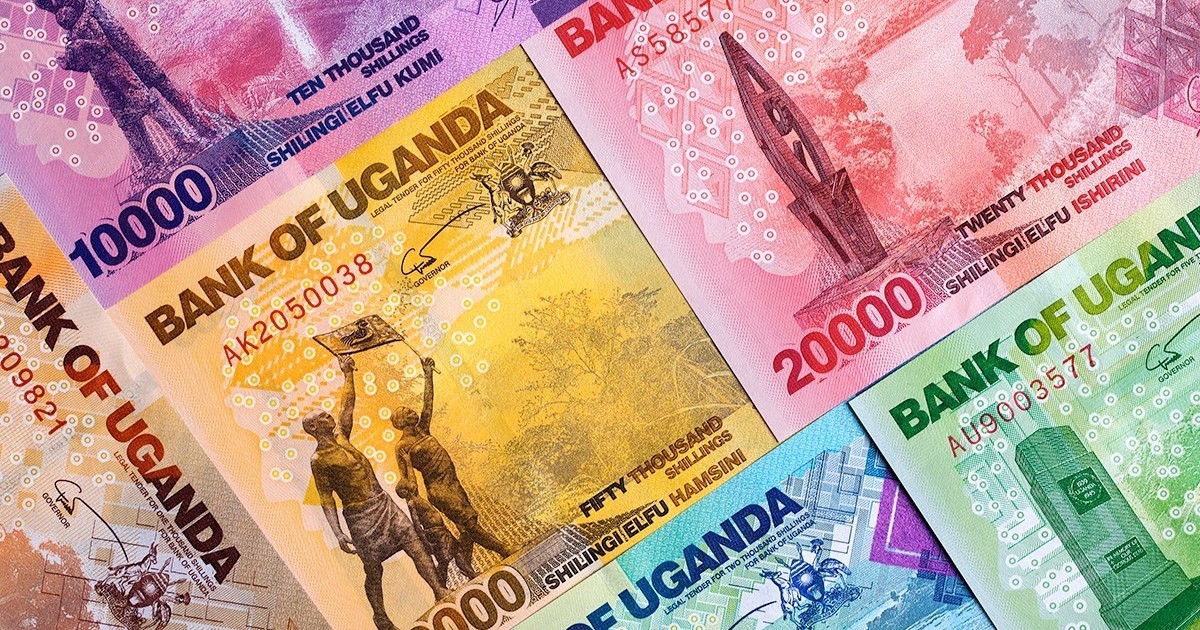
Uganda Moves to Limit Cash Transactions Amidst Shift to Digital Payments
Uganda’s financial landscape is undergoing a substantial transformation, with new regulations aimed at curbing cash transactions as digital payment systems witness unprecedented growth.
The country’s regulatory authorities are taking active measures to reduce cash reliance among citizens and businesses, as the total value of electronic transactions surpassed $100 billion in 2025.
Starting January 1, 2027, new withdrawal limits will come into effect. Individuals will be restricted to withdrawing a maximum of $13,700 (UGX50 million) per day and $68,500 (UGX250 million) per week in cash. For businesses, the limits are set at $137,000 (UGX500 million) daily and $685,000 (UGX2.5 billion) weekly. The central bank is also tightening cheque transaction limits, further diminishing the use of traditional payment avenues.
The maximum value for Uganda shilling cheques will be reduced from $2,740 (UGX10 million) to $1,370 (UGX5 million). Limits for dollar, euro, and pound sterling cheques will also see sizable cuts, reinforcing a trend toward electronic payments.
The motivation for Uganda’s strict cash policies stems from the rapid acceleration of digital finance in the country. Electronic transaction values soared 28% in 2025, while mobile money transactions rose by 40%, with a user base of 36.3 million and over 1.16 million agents.
This shift aligns with the goals of modernizing the financial landscape and promoting secure electronic payment methods. Recent directives highlight a concerted effort to transition towards a “digital-first” approach to banking.
Across Africa, governments are increasingly trying to formalize economic activity and strengthen financial oversight through digital means. Digital transactions create traceable records that help tackle issues such as tax evasion and money laundering.
However, cash still plays a significant role in Uganda’s economy, particularly for small businesses and rural communities. Inconsistent internet access and varying levels of digital literacy may pose hurdles in the shift toward a cashless society.
The success of Uganda’s transition to electronic payment methods hinges on whether these systems can seamlessly integrate a diverse range of consumers and businesses. The government must ensure that those who depend on cash are not left behind as financial transactions evolve.
Key Takeaways
- Uganda is promoting digital payments while limiting cash transactions.
- New withdrawal limits will start in 2027, affecting individuals and businesses.
- The country experienced a significant surge in digital transactions, with mobile money leading the growth.
- Efforts to reduce cash dependence align with broader trends in Africa aimed at enhancing financial transparency.
- Despite growing digital access, cash transactions remain central for many sectors, highlighting the need for an inclusive financial ecosystem.
- Uganda’s financial institutions aim to position the country at the forefront of a modern digital economy.