



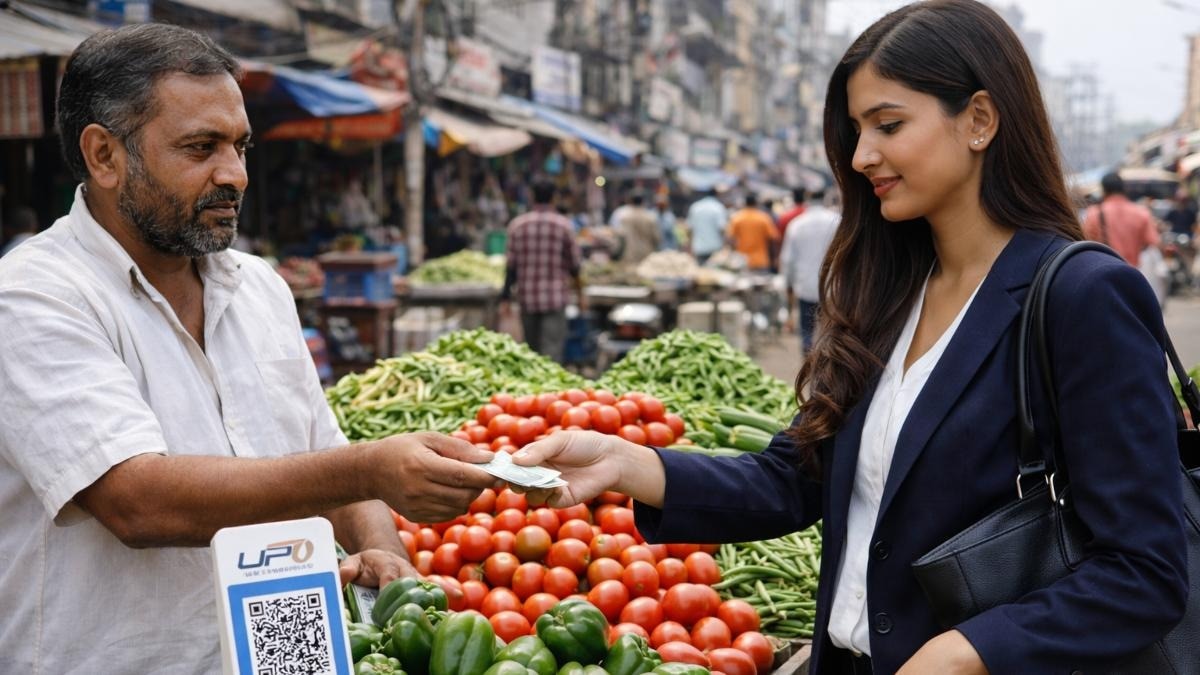
Living on Cash: A Journey Through A Digital-First Economy
Navigating modern life without digital payment systems like UPI (Unified Payments Interface) can seem surreal. In urban centers, UPI symbolizes convenience, becoming the payment option of choice for dining or shopping. The ubiquity of QR codes has transformed how we handle finances, making cash transactions feel outdated.
The idea of reverting to cash becomes daunting as technology permeates daily life. Recently, a 31-year-old HR professional lived without UPI, managing solely on cash. This journey highlights the challenges faced in a city where digital payments dominate.
When UPI launched in 2016, this individual was beginning her career. It wasn’t until 2025 that she embraced digital payments by downloading a UPI app. Until then, she used cash, debit cards, and traditional net banking, which required multiple logins for transactions.
“Cash was my go-to for everyday purchases—like groceries and transport—while bigger expenses would go on my debit card,” she recalls. Initially, this cash-centric approach posed few challenges, despite family members adopting UPI early on. Skepticism about digital payments kept her from joining the cashless future.
By 2021, it was impossible to ignore UPI’s rapid growth. She felt isolated as others settled bills seamlessly with their phones. “I felt like the odd one out. Everyone else was on UPI—cash felt unnecessary,” she noted.
Payments remained limited, often supported by family. This dependence on cash, while comfortable, started to present challenges. Cab drivers frequently lacked change, leading to awkward situations. She would call her mother to prepare the exact fare, highlighting quirky family dynamics.
Sticking to cash sometimes felt like a personal statement against the push for digital. “I’ve never sought validation. If people think I’m tech-averse, that’s their problem,” she explained.
Despite her cash habits, she used apps like Splitwise to manage shared expenses with ease. This minimized sporadic cash exchanges with colleagues, simplifying life while avoiding digital payments.
As her circle embraced UPI, she increasingly relied on family for transactions. Conversations often revolved around sending QR codes to finalize payments, leading to feelings of embarrassment over her dependence.
Ultimately, both she and her mother joined the digital payment landscape. Initially resistant, her mother learned to appreciate the benefits of UPI.
Now, embracing digital transactions, she acknowledges the ease but finds it makes tracking expenses more challenging. “I find myself overspending,” she admits, planning to take breaks from UPI every other weekend to refocus her budgeting.
Key Takeaways
- Navigating life without digital payments can create unique challenges.
- Maintaining cash habits in a digital age can feel like a personal statement.
- Tracking shared expenses can still be done through traditional applications like Splitwise.
- Reliance on family for digital payments illustrates how cash habits can limit independence.
- Embracing UPI provides convenience but may lead to unintentional overspending, necessitating budget awareness.