




Android currently finds itself at a crossroads. The platform appears robust on the surface, yet it increasingly diverges from the unique identity that propelled its inception nearly two decades ago. What has contributed to this transformation?
The Android ecosystem once echoed the vibrancy of a sandbox, where innovation thrived unabated, and creativity knew no bounds. Fast forward to today, and it seems as if that uninhibited space is morphing into an environment resembling the sterile, commercialized realms associated with rival platforms. This shift raises a significant question: Are we witnessing the gradual diminishment of Android’s distinctive essence?

Imitating and Merging Design Elements
The most apparent shift can be seen in both hardware and software design, with an increasing number of brands adopting similar aesthetics.
Historically, Android manufacturers prided themselves on their individuality. Diverse designs, experimental functionalities, and user interfaces set them apart. However, the latest updates showcase a rising trend toward a minimalist “iOS-inspired” aesthetic that seems to be gaining traction.
While hardware design has evolved to favor usability, many brands are mirroring established visual traits of competitors. Flat edges and rounded corners certainly enhance usability, but at what cost?


Many third-party manufacturers are retreating from vibrant design elements in favor of a homogenized look, noticeable in borrowed UI elements, especially in notification layouts. While Google’s push to attract users from other platforms is understandable, it risks losing unique quirks of Android.
A Diminishing Competitive Landscape
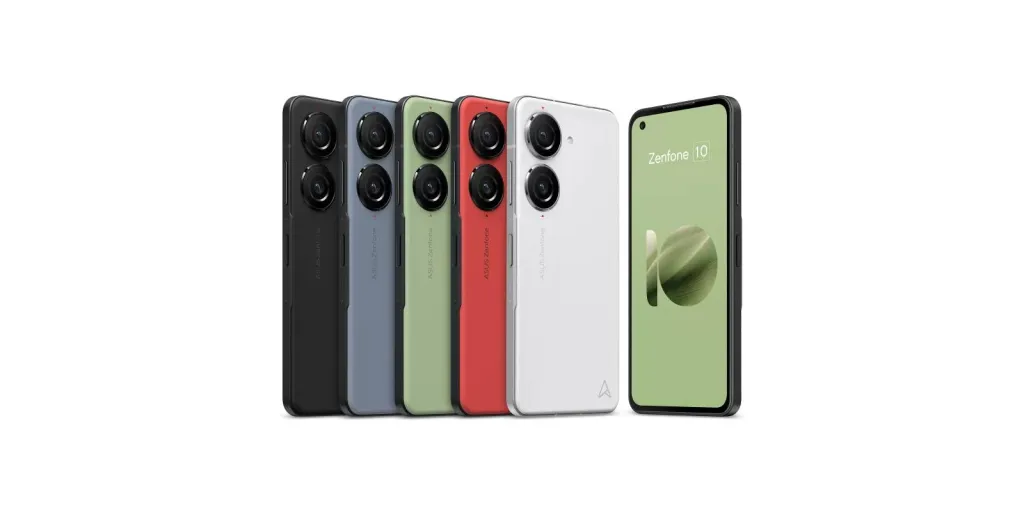
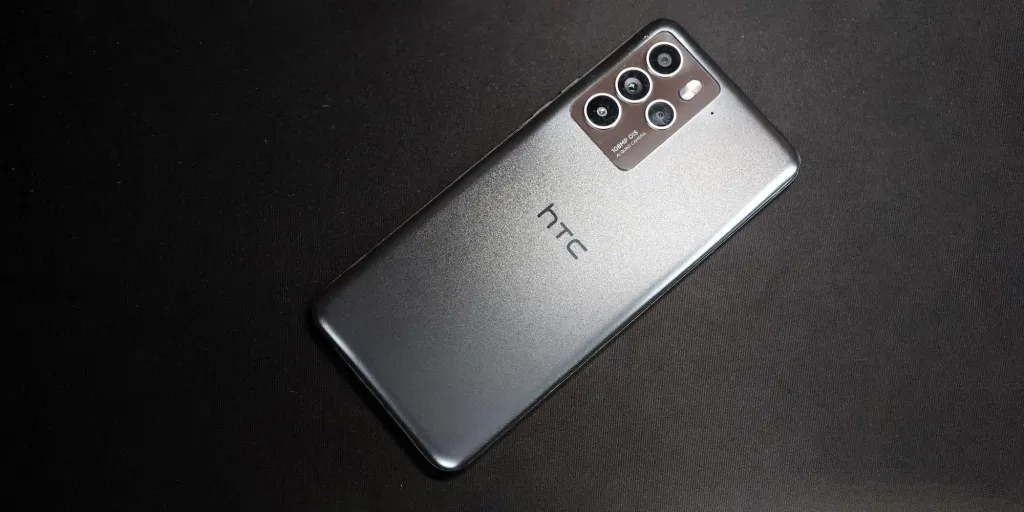
The number of players in the Android market is dwindling. Once bustling with competition, it is now predominantly dominated by two giants. One notable trend is that without innovators to challenge them, complacency can set in.
As competitors recede, there seems to be no compelling challenge for major brands, leading to a lack of innovation. Consolidation can stifle creativity, causing the essence of Android to gradually fade.
The Decline of Customization
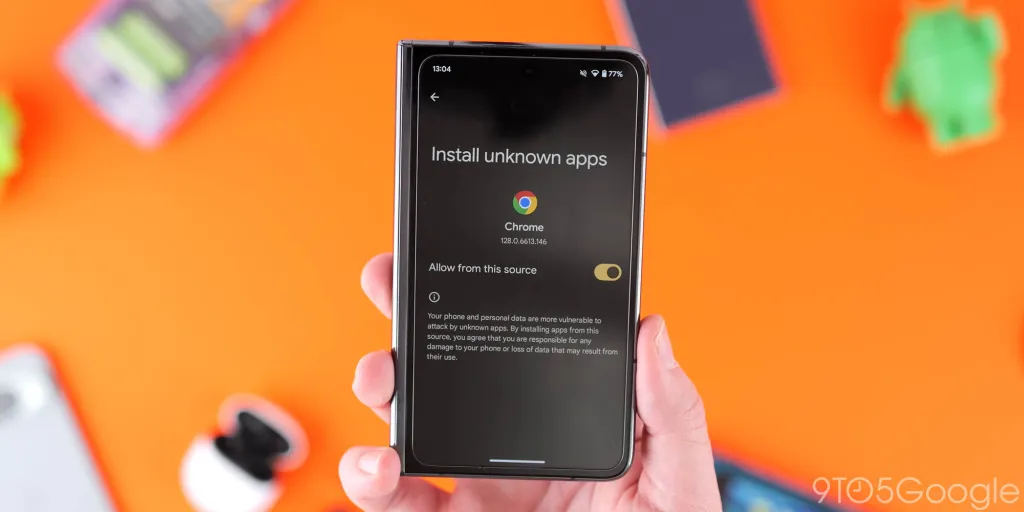
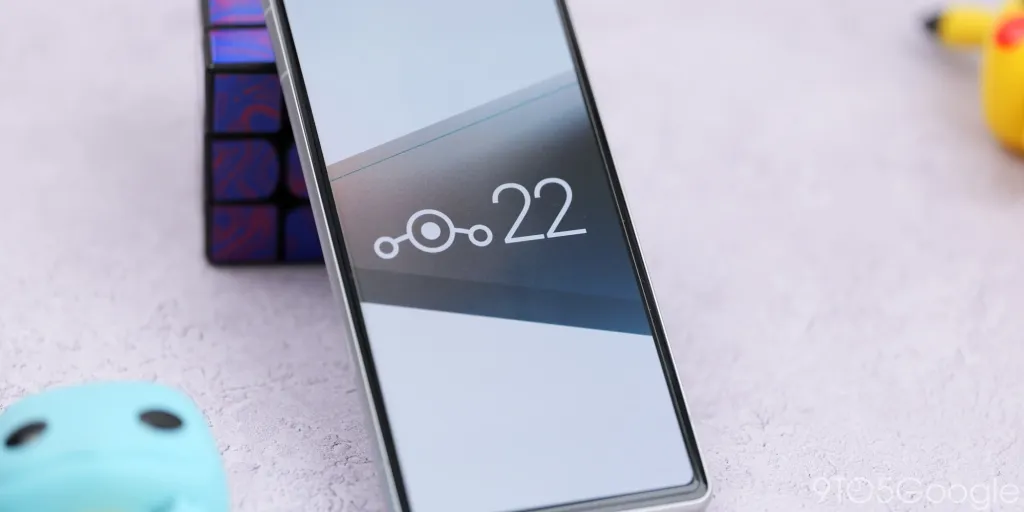
Fewer users seek to customize their devices. The ability to sideload apps—a feature long celebrated—becomes increasingly restricted. Recent actions frame sideloading as safety measures, creating barriers that cast it in a negative light.
The AI Impact on Android’s Identity
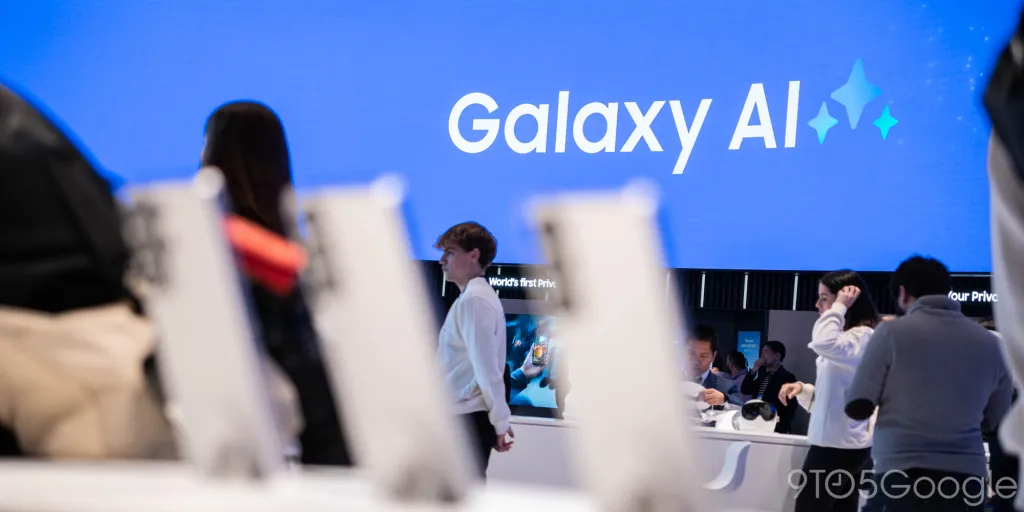
The growing integration of AI introduces exciting features but also masks underlying issues within the mobile experience. The smartphone performs similarly to how it did years ago, and innovation has plateaued, shifting focus to AI as a draw for new device sales.
A More Subdued Future for Android
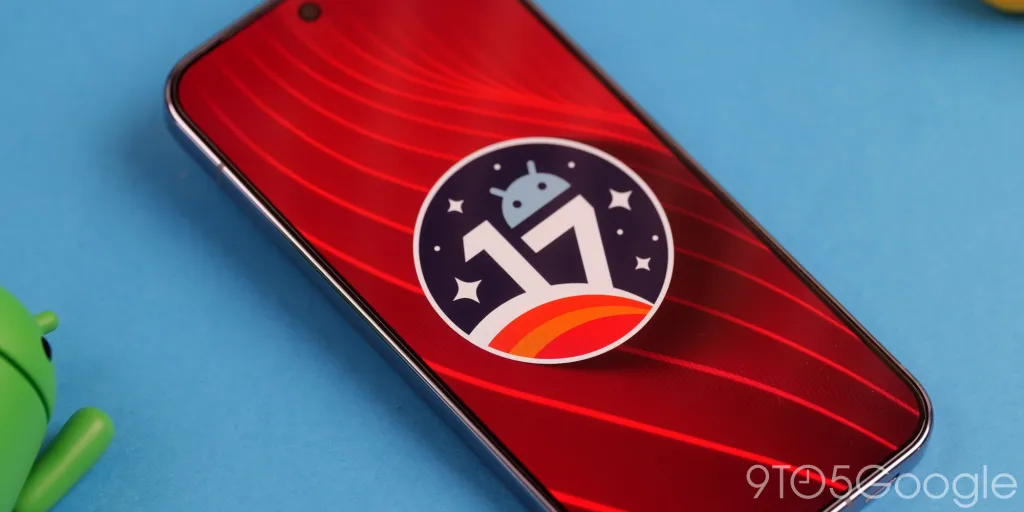
Android isn’t in decline, but its core spirit faces potential risks as it becomes more mainstream. The shift toward an integrated experience threatens to dull its unique character, raising important questions about individuality in devices.
Key Takeaways
- Android is evolving, with a notable shift toward familiar designs mirroring competitors.
- The variety of manufacturers is dwindling, leading to less innovation in the market.
- The ability to customize devices is being restricted, drawing concerns from long-time enthusiasts.
- AI is becoming a central focus, sometimes overshadowing the unique qualities of Android.
- Maintaining the balance between innovation and control is becoming an increasingly complex challenge.