

In a notable development for tech users in Brazil, Apple has introduced new functionality in its latest iOS 26.5 update that provides options for app marketplaces beyond the well-known App Store. This update could reshape how apps are accessed and utilized in the region.
Brazilian Users Gain Access to Alternative App Marketplaces
iOS 26.5 has initiated the groundwork for app sideloading in Brazil. This action follows a settlement with CADE, Brazil’s competition regulatory body, aiming to modify App Store rules within the country. The update represents a significant shift in Apple’s approach to app distribution in this critical market.
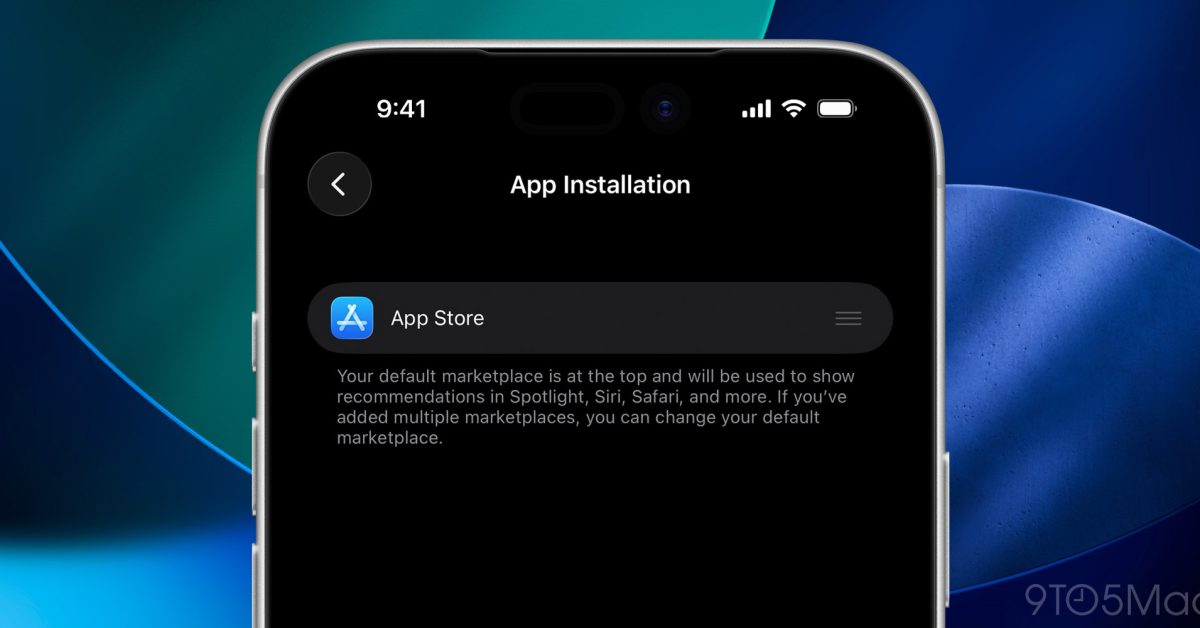
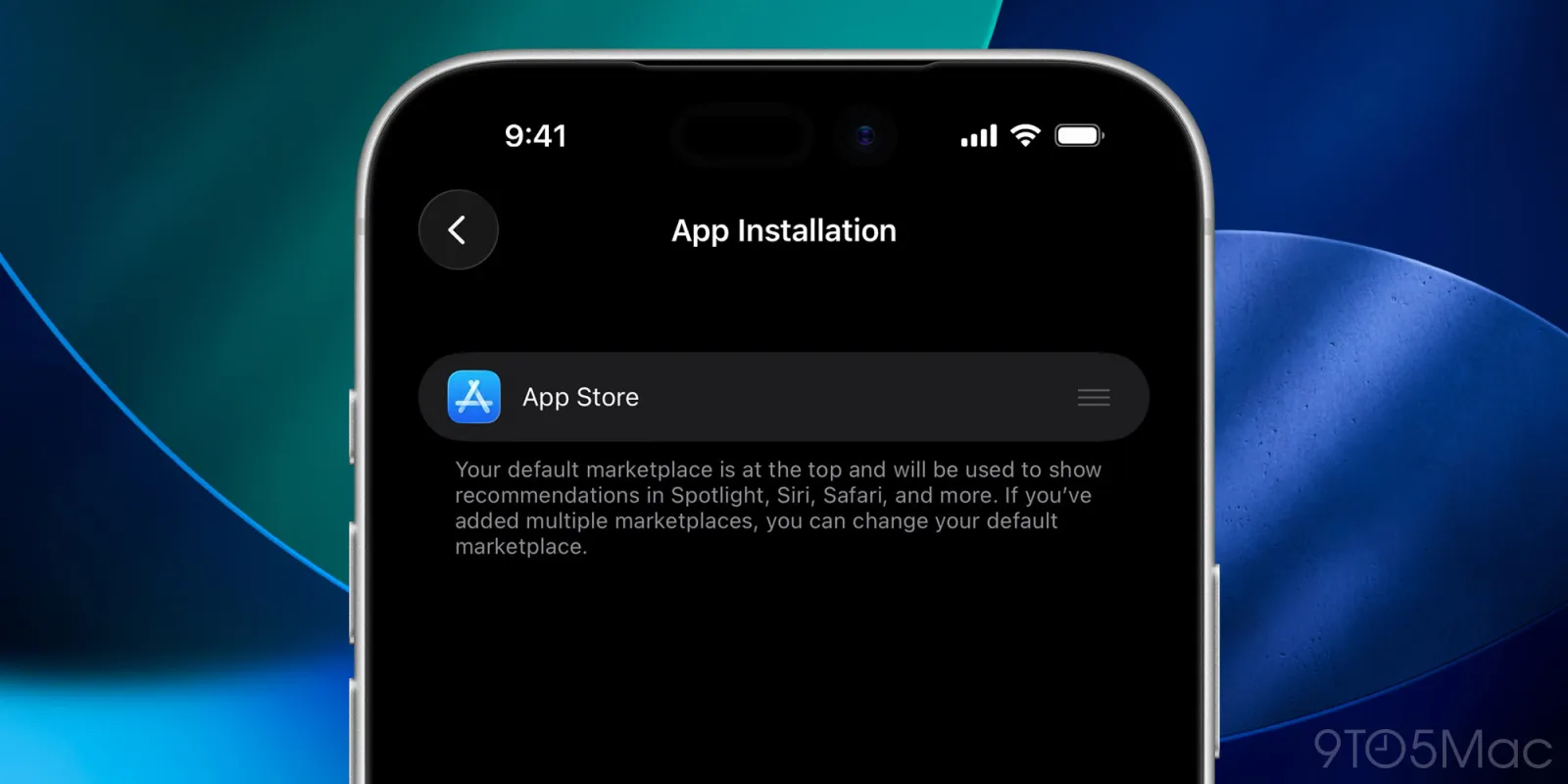
Users in Brazil will spot a new “App Installation” section within the Settings menu, allowing them to select their preferred online app marketplace alongside the App Store.
Currently, this new setting only lists the App Store, though Apple indicates that users will have the capability to designate which marketplace they prefer for functions like web links, email, and contactless payments. This hints at an eventual diversification in app distribution, making options more accessible.
“Your default marketplace will appear prominently and will be utilized for recommendations across Spotlight, Siri, Safari, and more. If you’ve included multiple marketplaces, changing your default is easy.”
While the timeline for enabling additional app distribution channels in Brazil remains uncertain, the appearance of this feature in iOS 26.5 suggests that changes may be imminent. CADE has mandated Apple to provide alternative app distribution channels, paving the way for a more competitive marketplace and altering how apps are delivered and monetized.
Revised Fee Structure for Alternative App Stores
Per the agreement with CADE, Apple is positioned to implement new fees associated with alternative payment approaches and app distribution within Brazil. A tiered commission structure emerges, where a 25% fee on the App Store applies, decreasing to 10% for developers enrolled in special programs, while an additional 5% applies for those using Apple’s in-app purchase option.
When apps direct users to external payment methods, static text allows for no fees, whereas using active links incurs a 15% commission. Apps sourced from alternative markets will have a flat 5% Core Technology Commission applicable.
Although Apple hasn’t officially affirmed these guidelines, developments within iOS 26.5 suggest a gradual shift toward implementing these practices as the rollout approaches.
Key Takeaways
- Brazil users will have the chance to choose different app marketplaces, leading to varied app options.
- The new settings reflect a significant response to regulatory pressures aimed at enhancing competition.
- Different fee structures for apps distributed through alternative channels may influence developer operations.
- The update hints at a shift toward greater user control over app choices, allowing for tailored experiences.
- Observing these changes can provide insights into the broader implications for digital commerce in Brazil.