



Emerging Challenges for Android Apps Amid New Google Regulations
Google has introduced new rules regarding the installation of applications (APKs) from outside its Play Store, leading to a nuanced landscape for Android users. While many users may remain oblivious, developers and tech-savvy users are bracing for an altered installation experience.
For Android users who rely on third-party app stores, these changes introduce substantial friction. Critics have voiced concerns about the implications for alternative platforms aiming to sidestep Google’s stringent verification processes. Developers face the additional burden of navigating key signing requirements, further complicating app distribution.
Navigating the Alternative App Store Landscape
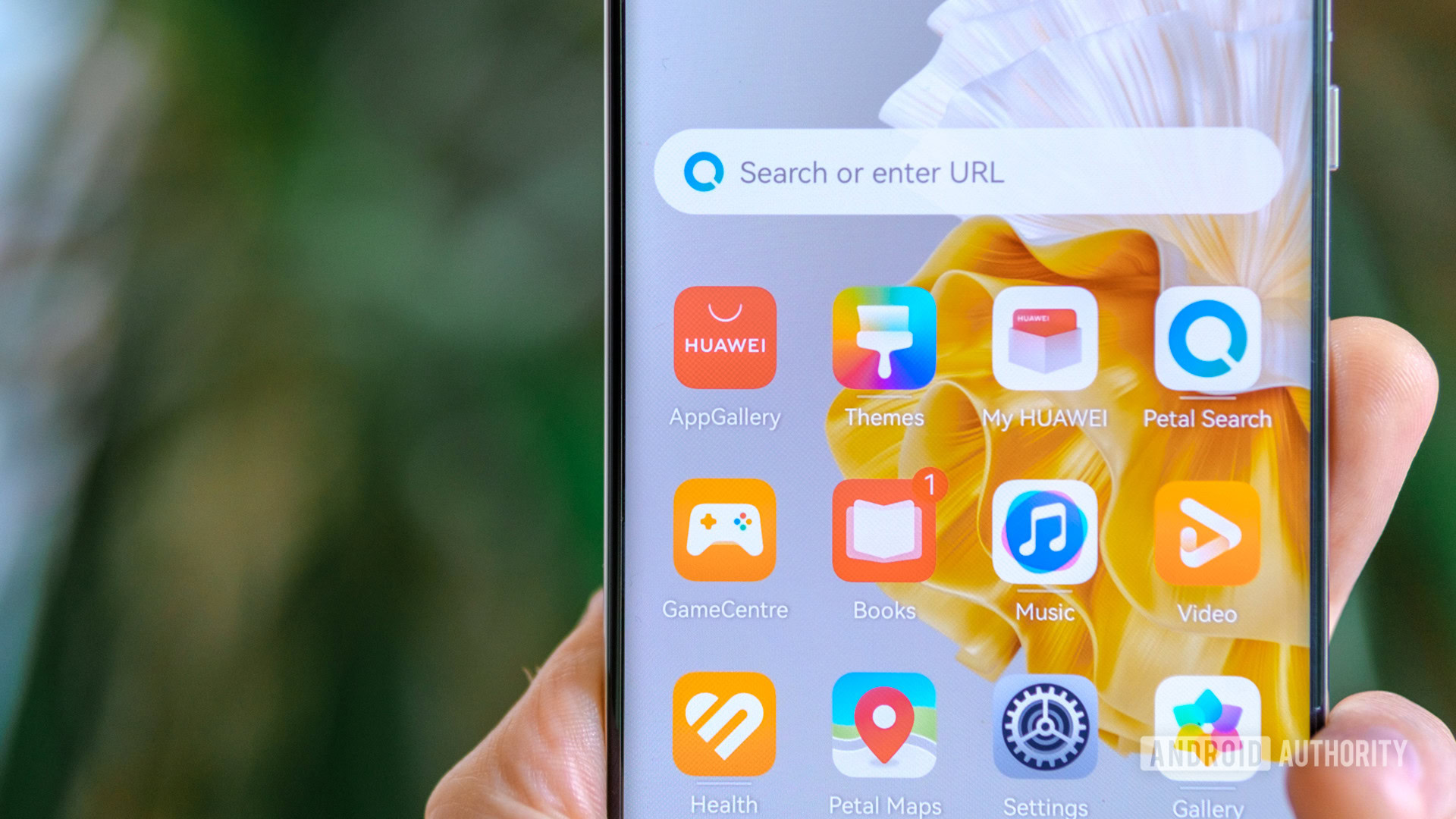
Third-party app stores like Aptoide and Huawei’s AppGallery now encounter hurdles in streamlining installations. If developers aren’t part of Google’s verification program, their apps may require users to navigate a convoluted installation process. This could deter many potential users from exploring different options.
The verification requirements impact app creation across the board. For instance, installing independent or lesser-known applications could become a lengthy process, potentially dissuading users from venturing outside Google-approved apps. While larger app repositories may adapt, smaller ones might struggle to keep their offerings accessible.
Impact on Emulator Communities
The world of retro gaming and emulators also faces challenges due to these regulations. Developers of tools like Dolphin and PPSSPP must maintain anonymity while navigating the requirement to become verified developers. Traditional submission processes can hinder timely updates and feature releases, making the direct download of APKs from non-Google sites increasingly appealing.
These new rules may force even dedicated emulators to choose between compliance and user accessibility, leaving fans to navigate potential roadblocks for updates or new functionalities.
Encrypted Messaging Apps at a Crossroads
For users of encrypted messaging services—vital for those in high-risk areas—the changes may present obstacles. Established apps may fare better due to institutional backing, while smaller competitors could struggle. The requirement for users to either go through a complex verification process or understand ADB for installation could limit access to these essential tools.
Rooting and Modding Communities
The modding and rooting community is also at risk. While such practices have been on the decline, newer tools still rely on external installation methods. Hobbyists often avoid Google’s stringent processes but may feel compelled to comply to maintain user engagement.
The additional steps and warnings linked to app installations could discourage less experienced users from exploring rooting and modding, stalling what has traditionally been a dynamic user ecosystem.
Practical Apps and Utilities
Numerous legitimate apps exist outside the Play Store, such as Termux and Bromite. However, increased barriers to discovering these applications could stifle innovation and adoption. Google’s new measures might not completely eliminate these alternatives, but they raise challenges that could be hard to overcome.
In conclusion, while Google’s intention may be to protect users and enhance security, the consequences of these new regulations raise questions about access and user experience. The coming months will be pivotal for apps flourishing outside the Play Store.
Key Takeaways
- Google’s new APK rules create complexities for alternative app stores, potentially leading to user frustration.
- Third-party developers may struggle to comply with verification requirements, impacting app accessibility.
- Retro gaming and emulator developers could face hurdles in timely updates due to compliance pressures.
- Smaller messaging apps might encounter distribution challenges, limiting access for users in need.
- Rooting and modding tools may see a decline in new users due to added obstacles and warnings.
- Legitimate utilities thriving outside the Play Store could face growing discovery barriers, impacting their user bases.