



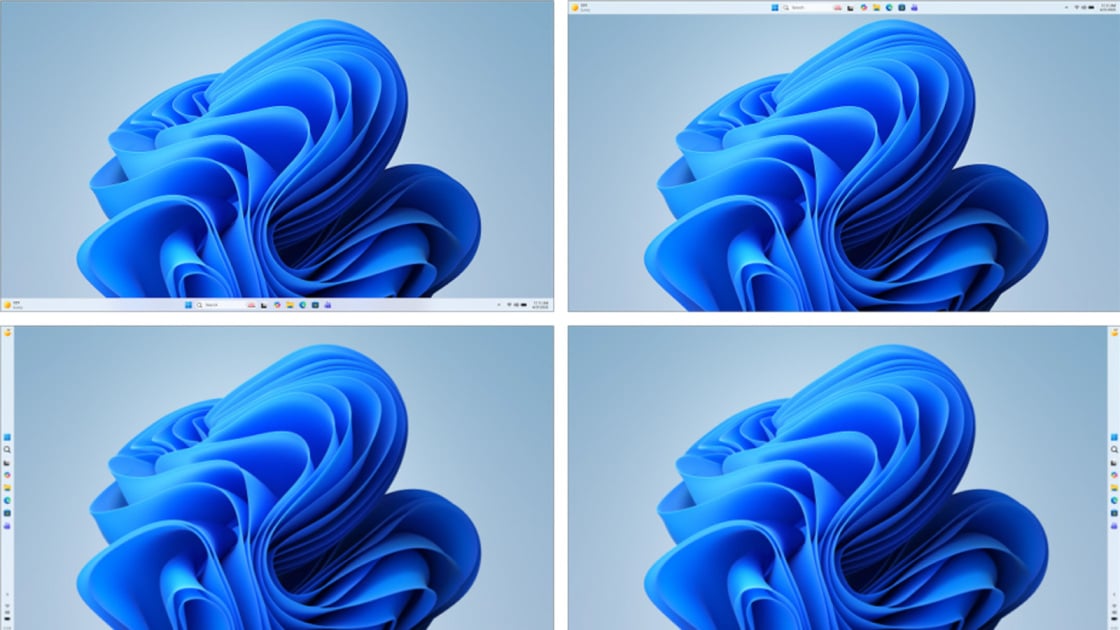
In a move aimed at enhancing the overall user experience, Microsoft has set its sights on optimizing Windows 11’s efficiency by 2026. The company is focusing on improving memory management, reducing the baseline RAM usage of the operating system. This change will allow for greater availability of memory for other applications, ultimately making the system feel more responsive.
Microsoft faced criticism as it shifted much of its attention towards artificial intelligence developments, which some users viewed as increasingly distracting. With rising competition from devices like the MacBook Neo, there is a necessity to reinvigorate Windows and appeal to both old and new users.
The goal is to create a smoother and more reliable Windows 11 experience. Efforts are underway to make core functionalities, like application launches and components such as File Explorer, quicker and more efficient.
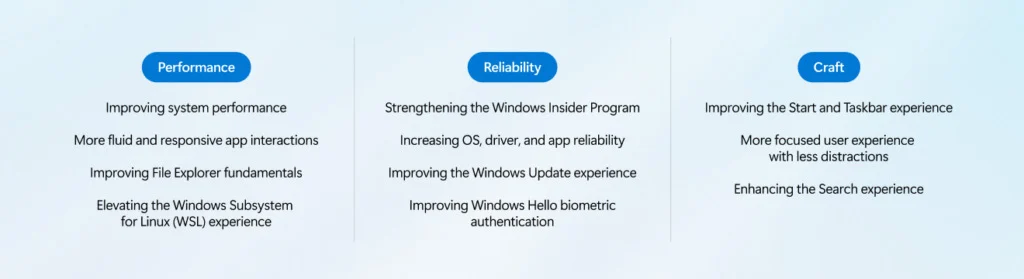

As part of these enhancements, Microsoft plans to lower latency for interactions with applications by transitioning core Windows apps to the modern WinUI3 framework. This new UI framework replaces older methods, bolstering performance while ensuring backward compatibility and promising smoother transitions and animations within the OS.
Improvements are also anticipated in search functionality, which currently returns web results alongside installed applications, files, and folders, leading to confusion. The aim is to refine the search to enhance accuracy and speed, ensuring a unified experience across the taskbar, File Explorer, and Settings.
Users can look forward to advancements in driver support, enhanced Bluetooth stability, and improved USB reliability. There will also be a focus on efficient waking of Windows, particularly when connected to laptop docks.
If these changes are successfully implemented, they will substantially upgrade the Windows experience, making it more competitive against emerging operating systems. However, these updates must first undergo rigorous testing before being rolled out to the general public, which may take some time.
Key Takeaways
- Windows 11 is set to improve RAM efficiency, freeing up memory for applications.
- Microsoft is addressing criticisms related to its emphasis on AI features.
- The upcoming updates aim for quicker application launches and better overall system reliability.
- Transitioning core apps to the WinUI3 framework is expected to enhance performance.
- Enhanced search functionality will prioritize user-specific results over web searches.
- Additional improvements in driver, Bluetooth, and USB support are on the horizon.
- All changes are subject to thorough testing in the Insider program before wider release.