

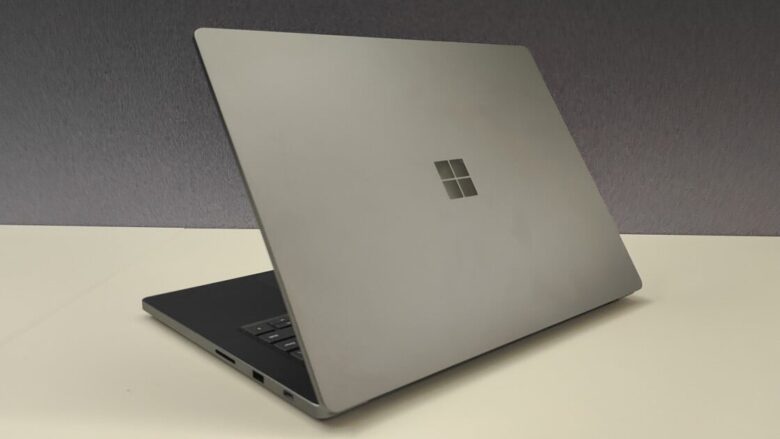
TAIPEI—A major shift in laptop technology has taken place as Nvidia unveiled its revolutionary RTX Spark platform, and Microsoft is at the forefront with its latest innovation, the Surface Laptop Ultra. This device represents a new category of powerful, AI-capable machines designed for modern needs. We explored the Surface Laptop Ultra firsthand at Computex.
During our brief encounter, we were unable to interact deeply with the device as it wasn’t fully powered on for press testing. However, we gleaned valuable insights about its design, technology, and what users might expect from this powerful laptop.
Understanding the Nvidia RTX Spark Platform
Nvidia’s RTX Spark is a new laptop hardware architecture featuring the N1X chip. This innovative processor combines a powerful 20-core CPU with a GPU equivalent to the Nvidia GeForce RTX 5070, creating a robust system-on-a-chip (SoC) that offers up to 128GB of unified memory. This architecture is tailor-made for high-performance computing, especially in AI tasks.
Built similarly to Nvidia’s advanced AI developer kits, this SoC has been optimized for Windows on ARM. It includes a Neural Processing Unit (NPU) that enhances capabilities like Microsoft’s Copilot+ AI features. Microsoft touts that the RTX Spark-powered Surface Laptop Ultra will achieve up to 1 petaflop of AI computing power, which is unprecedented for consumer-grade devices.
This amalgamation of performance and portability may represent a new standard in laptop technology. Nvidia mentions that users will be able to run extensive 120-billion-parameter AI models directly on the device, a level of computing traditionally reserved for professionals.
The focus is on creating devices that facilitate AI-driven applications, enabling heavier computational processes like enhanced gaming and creative software.
Hands-On Overview of the Surface Laptop Ultra
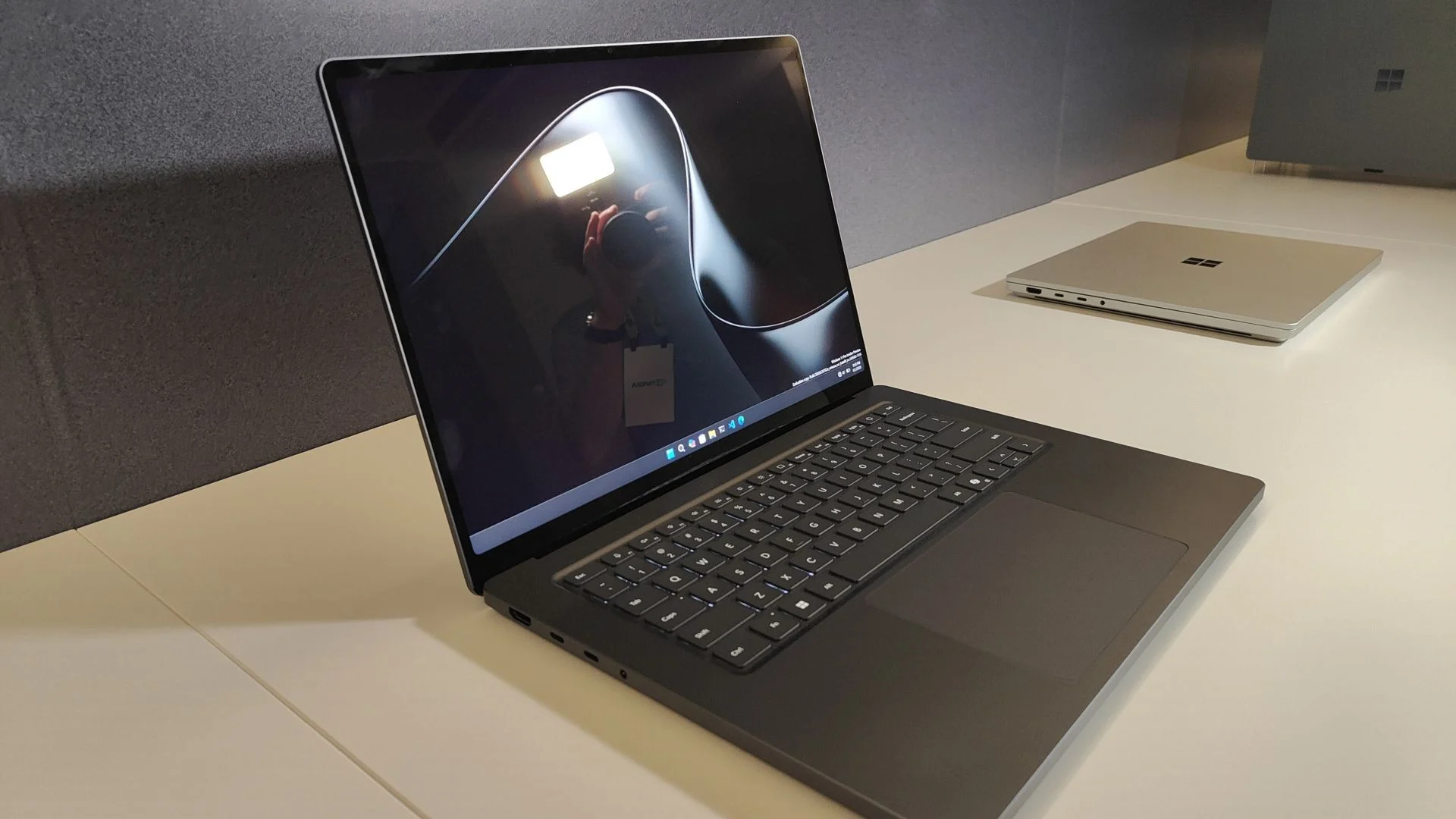
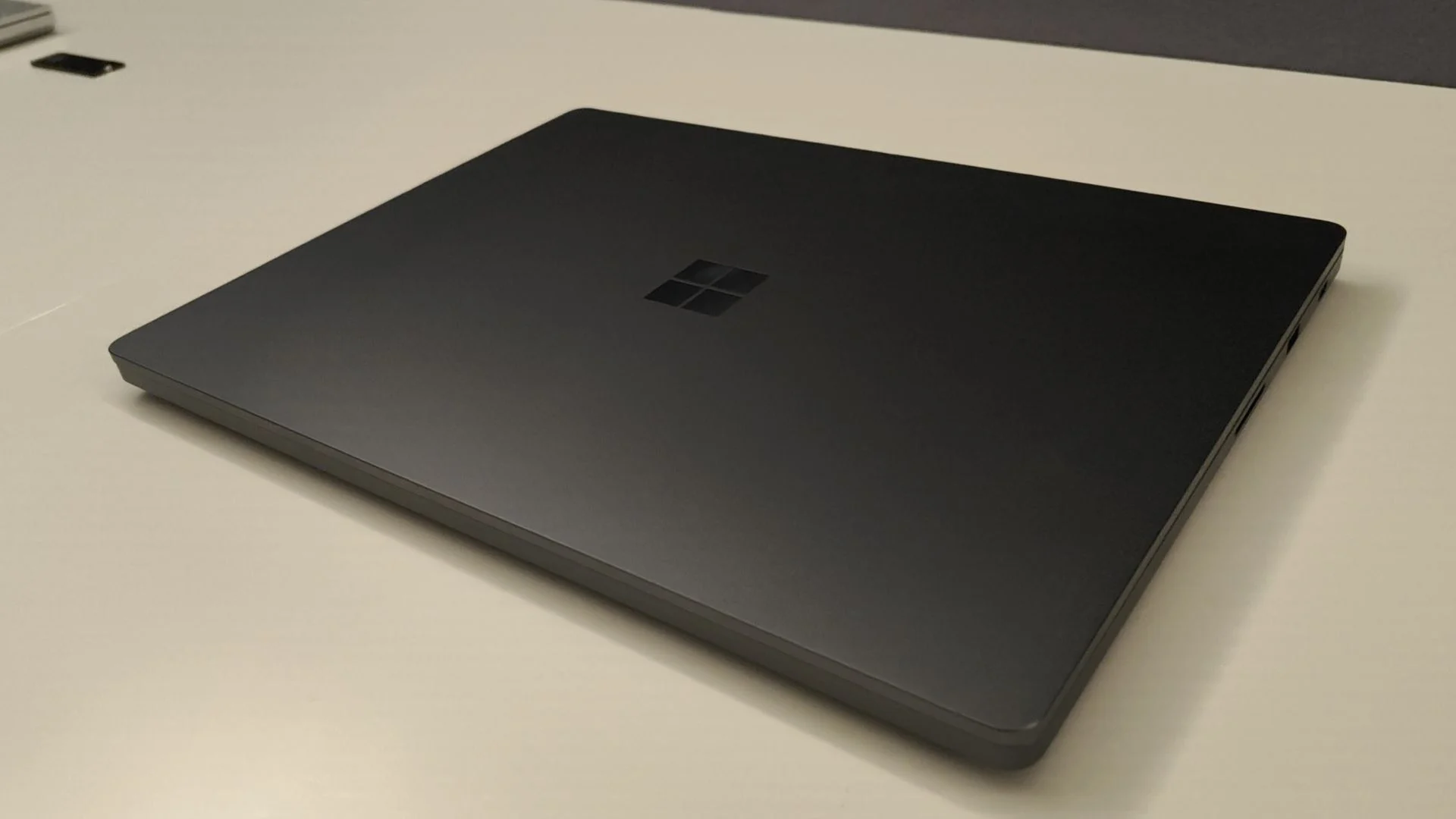
The specifications indicate a sleek, sophisticated design: under 18mm thick and weighing less than 4.5 pounds. The all-metal finish, available in Platinum and Nightfall, exudes elegance, resembling previous Surface laptops. A unique design element gives the impression the device is floating above the surface it rests on. It features a 15-inch mini-LED PixelSense Ultra touchscreen with a 3:2 aspect ratio.
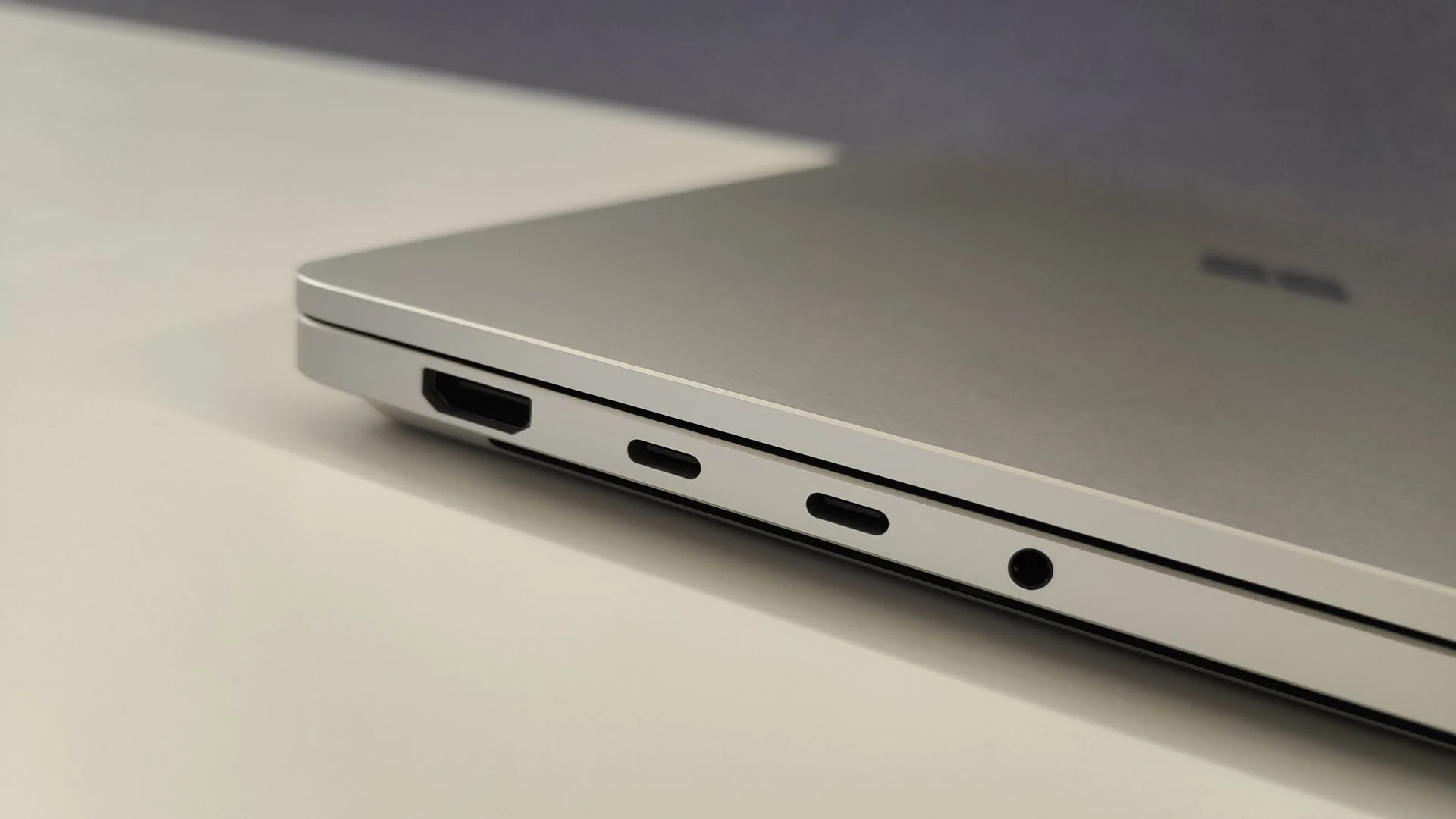
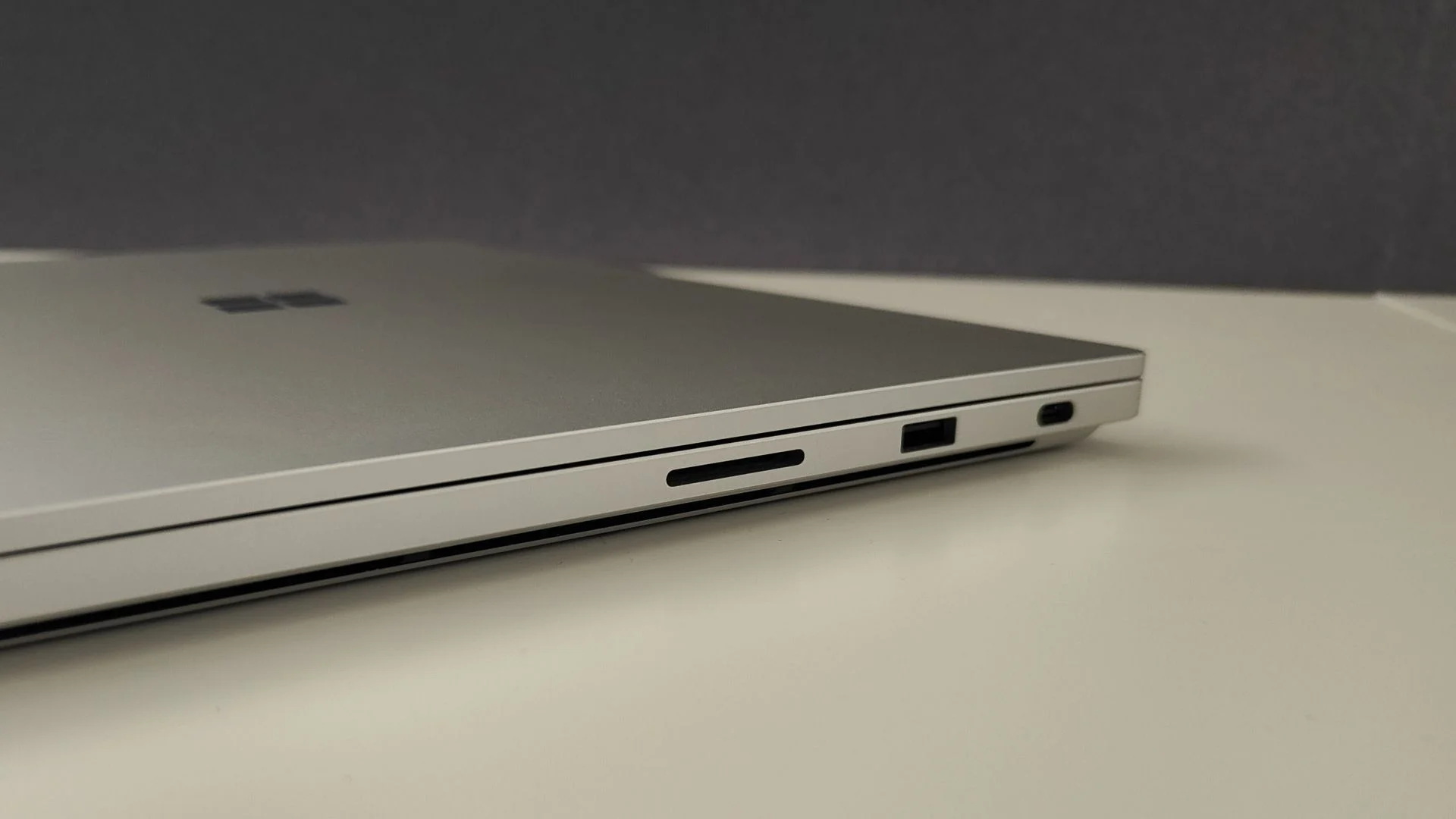
Equipped with a variety of ports—such as HDMI, USB Type-C, and USB Type-A, along with a headphone jack and full-size SD card reader—the device appears ready for diverse usage scenarios.
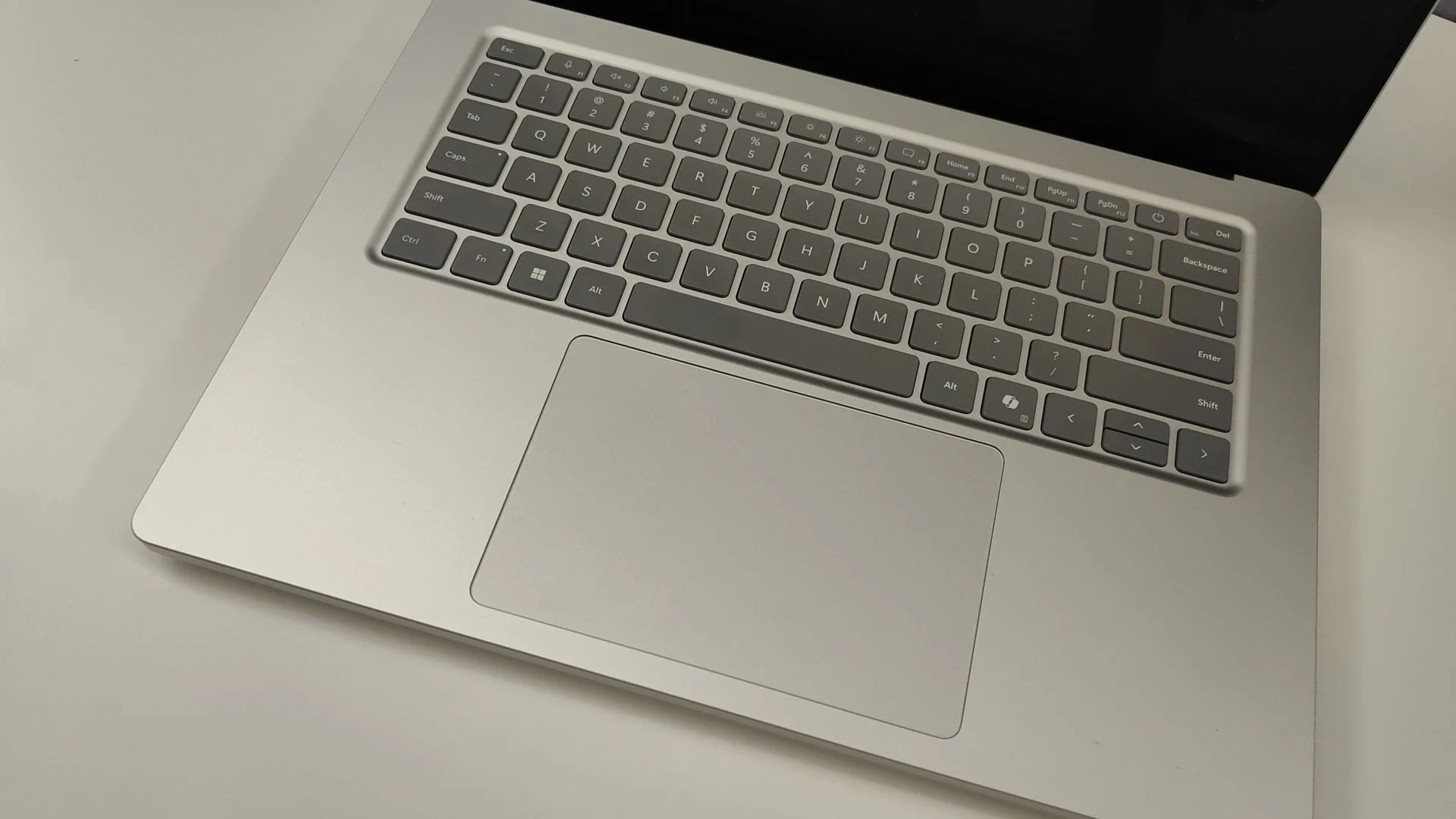
Opening the lid reveals a vivid display with peak HDR brightness up to 2,000 nits. Microsoft claims this is their brightest laptop display yet, reflecting a commitment to a creator-centric experience. Features include Variable Refresh Rate (VRR) support and a peak refresh rate of 120Hz, while still aiming for battery efficiency for all-day usage. The keyboard remains similar to previous Surface models, offering a responsive typing experience.
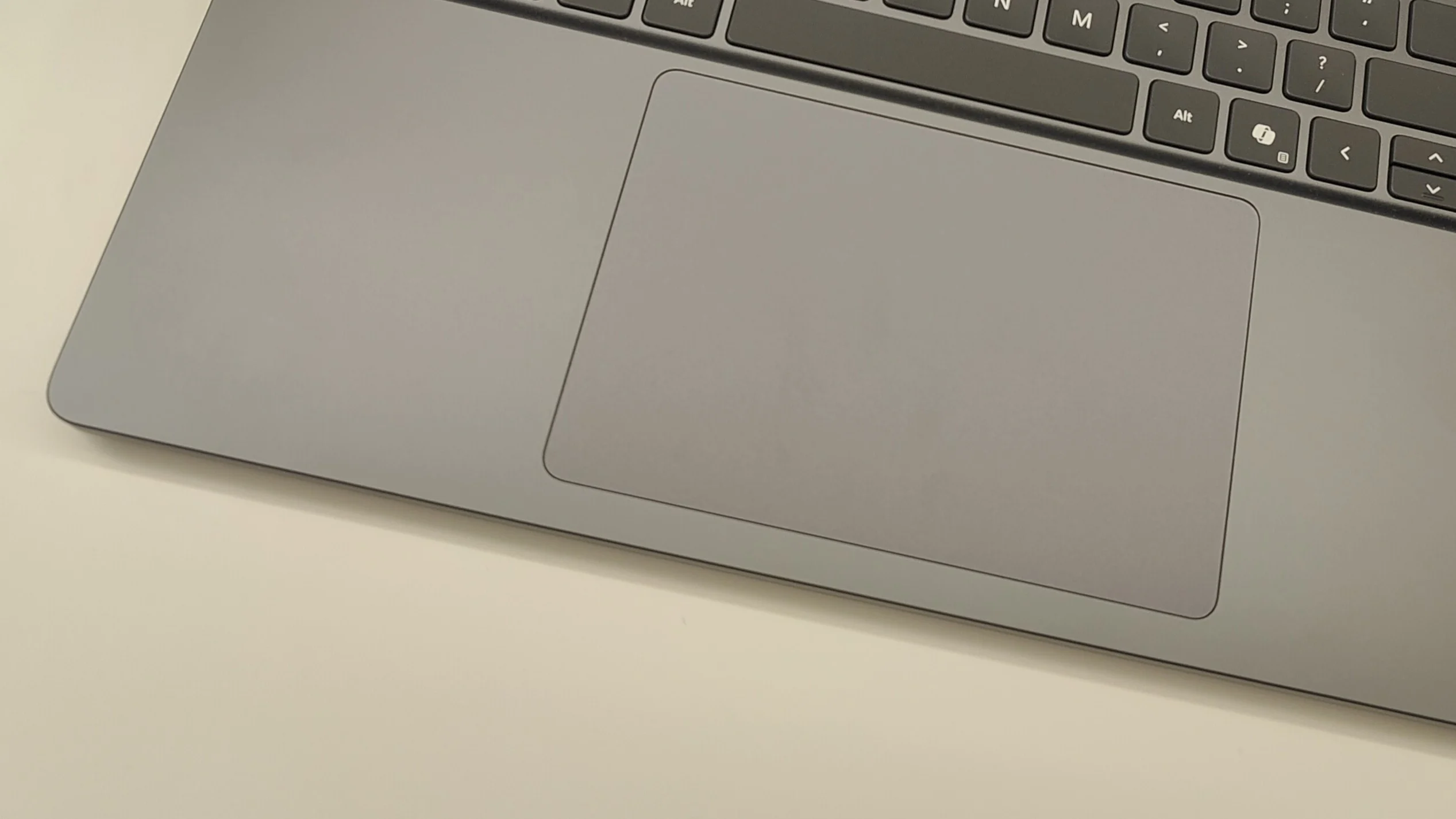
The haptic touchpad is reportedly the largest on a Surface device, allowing for ample gesture control and customizable haptic feedback.
A webcam featuring Windows Hello facial recognition sits above the display, cleverly concealed within the thin bezels.
Inside the Surface Laptop Ultra: Specs and Thermal Management
The true innovation lies within. At the heart of the device is the RTX Spark hardware, designed for robust performance.
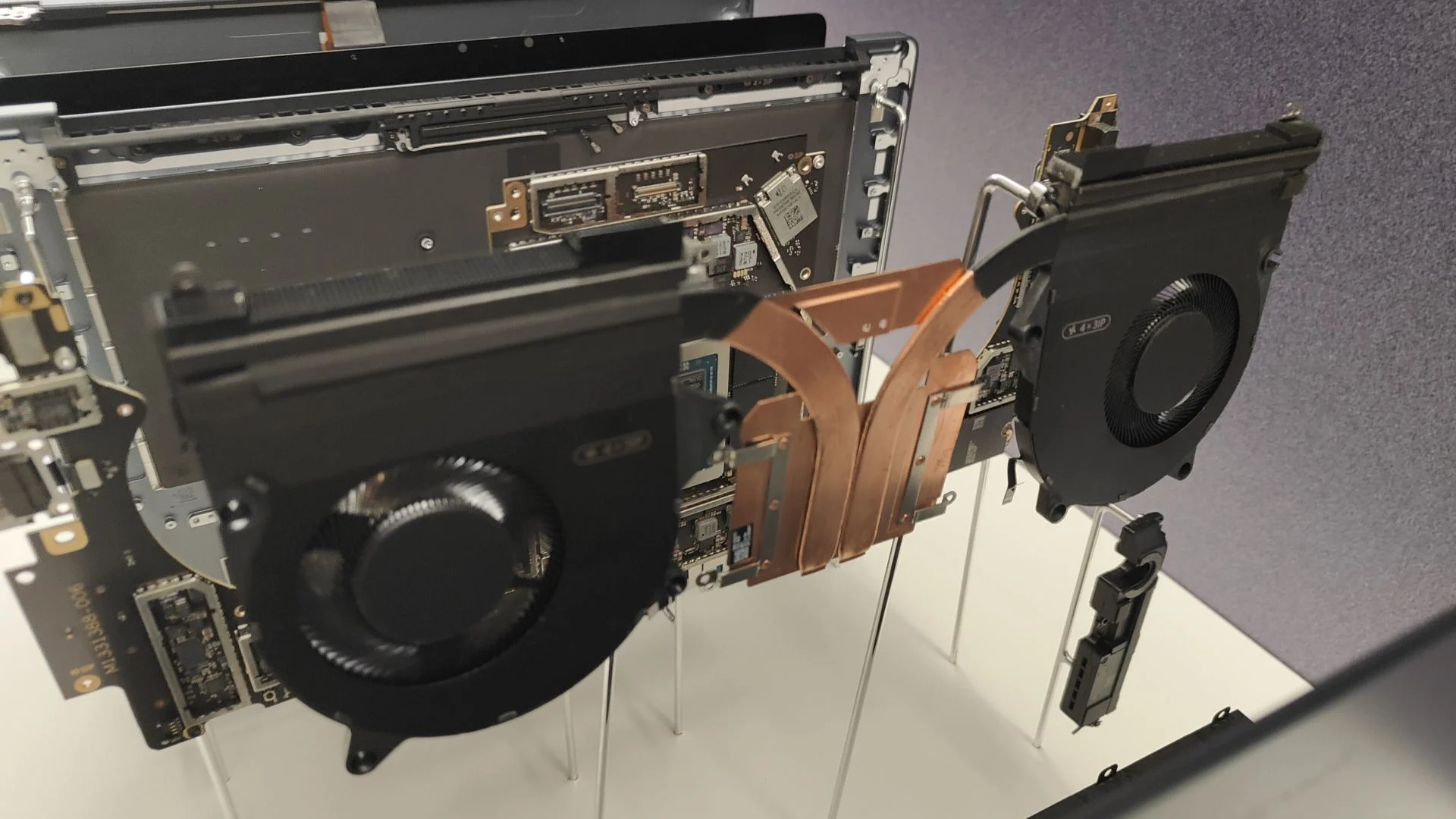
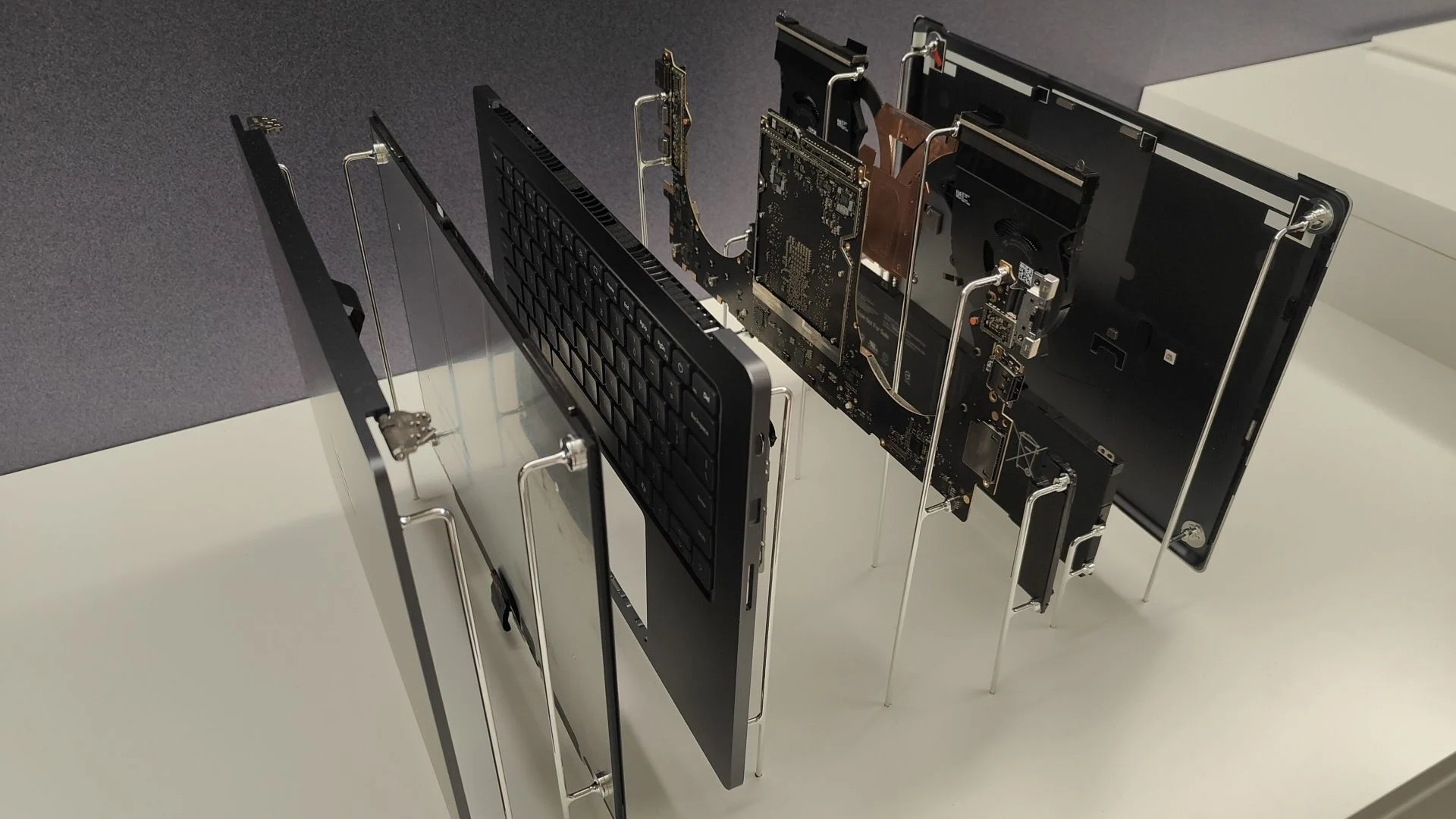
Effective thermal management is crucial for harnessing power from 6,144 CUDA cores. The Surface Laptop Ultra employs an advanced dual-fan, dual heat-pipe design, vastly improving thermal performance. The laptop’s streamlined airflow enhances cooling and efficiency, ensuring smooth operation even under load.
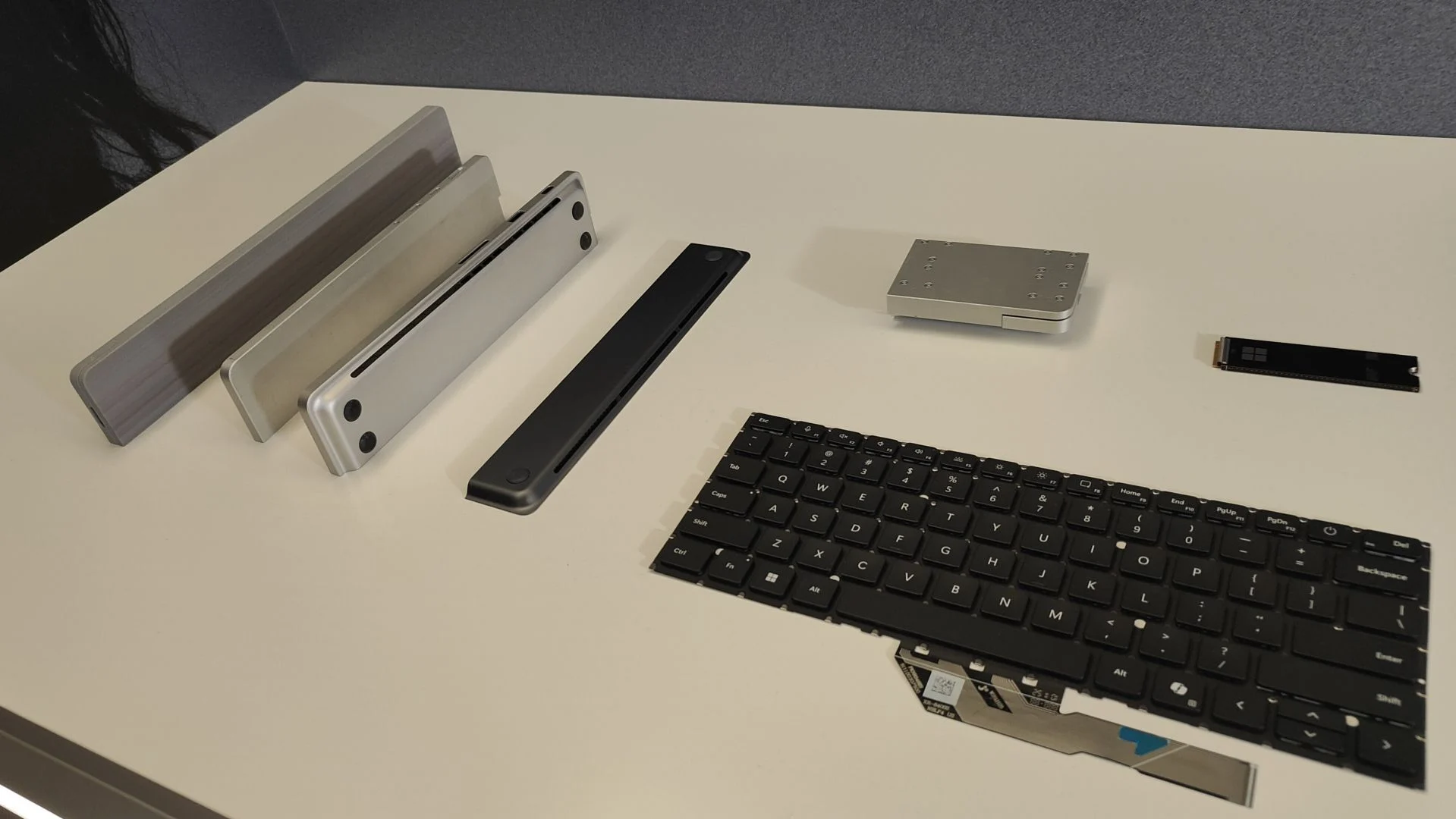
Though there’s excitement around the laptop’s capability of supporting up to 128GB of memory, some configurations may be available with as little as 16GB, which might not be sufficient for intensive AI usage.
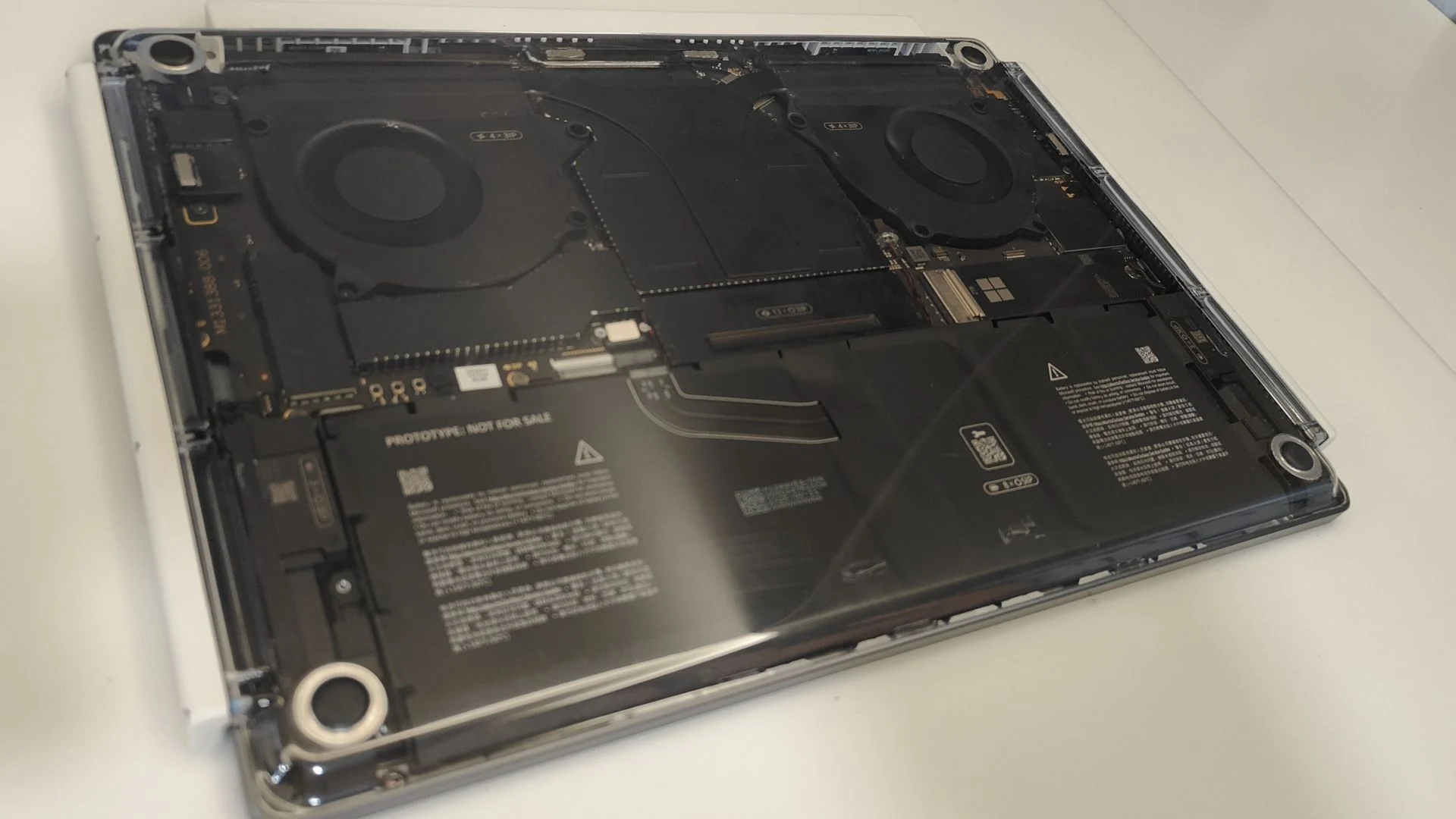
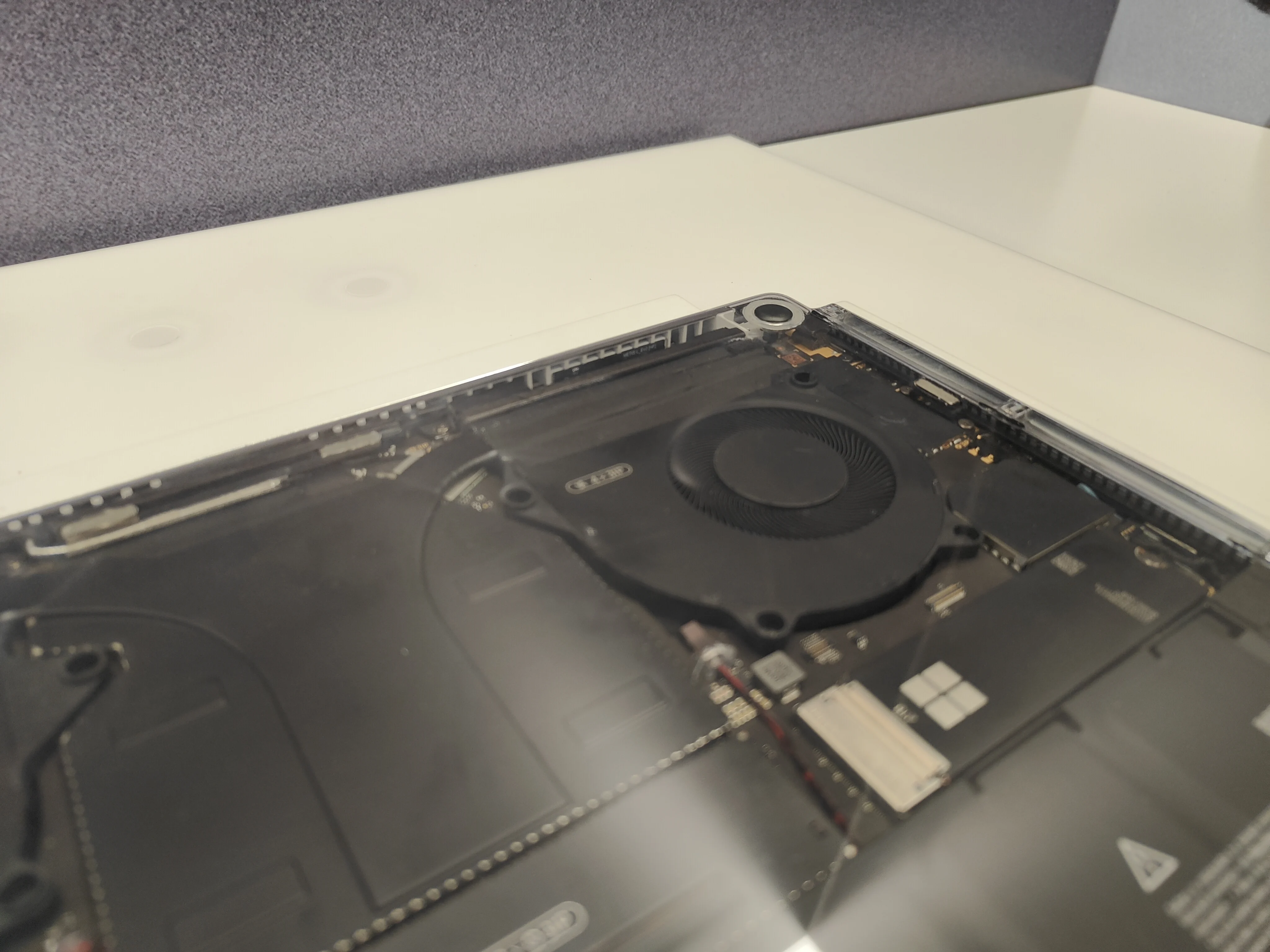
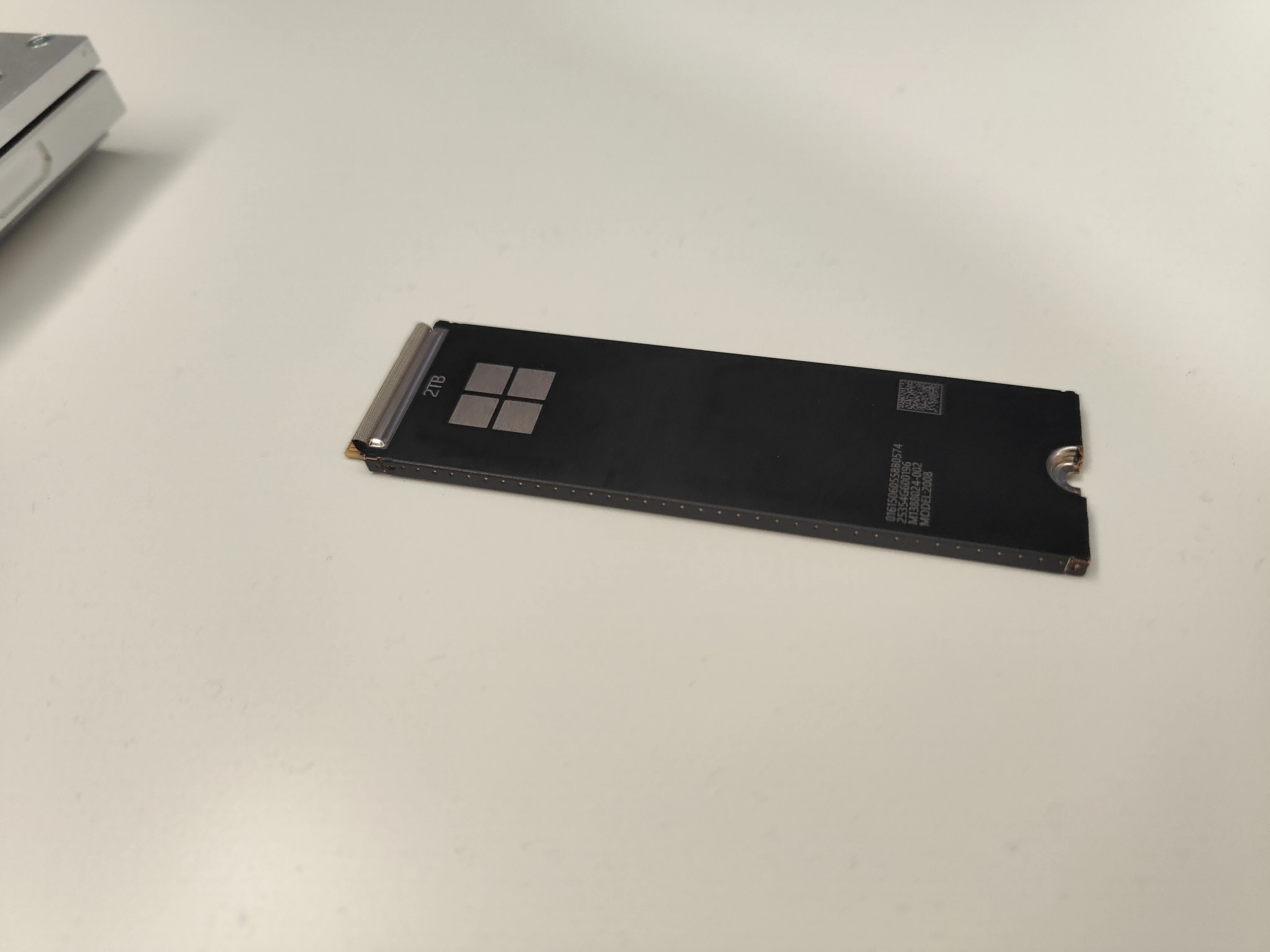
Access to the internal components is facilitated by four screws at the corners of the base. The SSD is user-replaceable, but RAM appears to be soldered, limiting future upgrades. User maintenance is made more accessible with detailed service instructions.
Release Date and Pricing for Surface Laptop Ultra
While official word hints at a release in the upcoming fall season, specifics about pricing and exact launch dates are yet to be revealed. These laptops are not designed for budget-conscious buyers, positioned as “Ultra” alongside competitors like the Lenovo Yoga Pro, Asus ProArt, and MSI Prestige, catering to an upscale market focused on advanced AI functionalities.
Ultimately, assessments of performance, user experience, and true AI capabilities will only come into focus as products undergo extended testing.
Key Takeaways
- The Surface Laptop Ultra marks a significant shift towards integrating advanced AI in consumer devices.
- Nvidia’s RTX Spark platform enables powerful computing capabilities previously reserved for professionals.
- Strategies for optimizing thermal management are innovative and crucial for performance.
- The design blends aesthetic appeal with practical functionality.
- Configurations may limit memory for heavier tasks.
- The true impact of this laptop remains to be evaluated post-launch.