



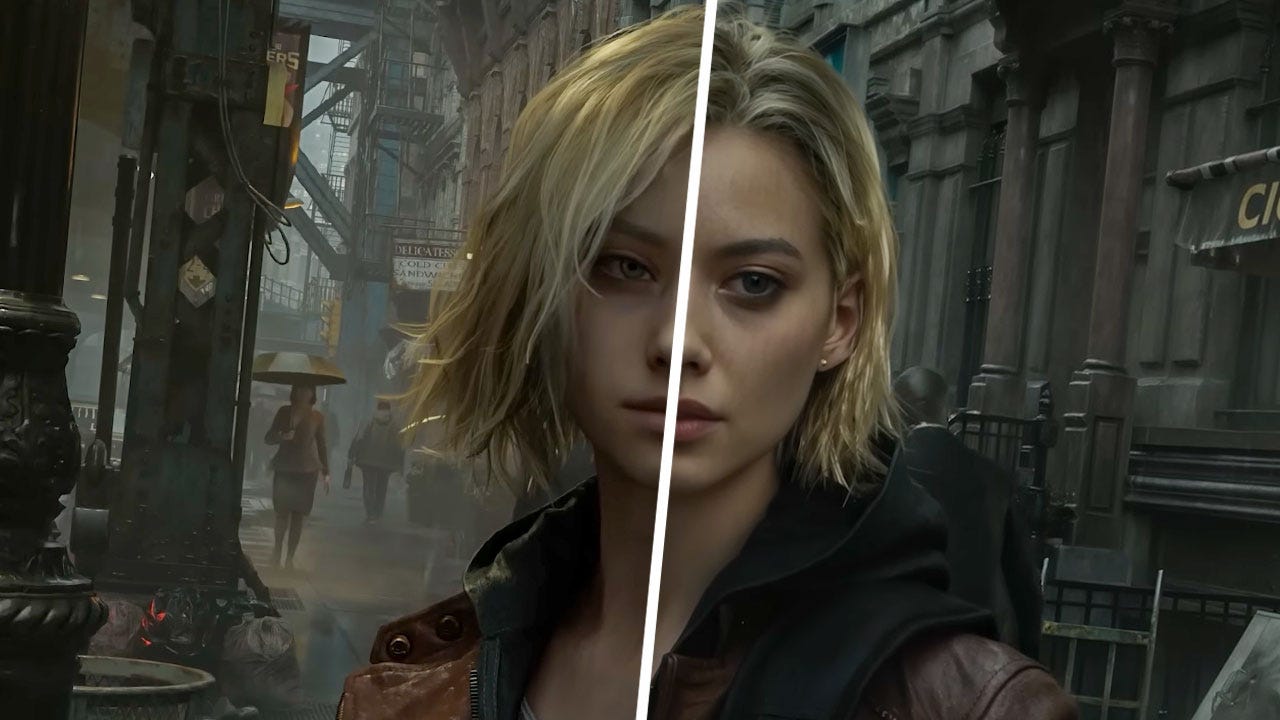
Game Artists Express Concerns Over DLSS 5 Amid NVIDIA’s Promises
NVIDIA recently introduced its newest innovation, DLSS 5, which integrates advanced neural rendering into its graphics card technology. While the company touts enthusiasm from game developers, early reactions indicate a significant disconnect, particularly from art teams at major gaming studios.
The unveiling featured popular titles like Assassin’s Creed Shadows and Resident Evil Requiem. However, it appears that developers were taken by surprise. An insider remarked that they “discovered the updates simultaneously with the public.” This sentiment was echoed by another studio’s art team, who expressed alarm at how Resident Evil’s presentation deviated from their established artistic direction, particularly given their previous opposition to AI enhancements.
Animator Mike York took to streaming to discuss his reaction to Digital Foundry’s preview of DLSS 5. During the stream, he highlighted several peculiar changes resulting from the new technology. One striking observation included character Grace Ashcroft’s eyes being misaligned, along with irregularities in facial features.
York elaborated, noting that while the geometry of characters remains unchanged, it feels as though it has been “painted over.” He explained, “Every frame is being redrawn, which distorts the original look,” raising questions about the integrity of the artistic representation in these games.
The technology behind DLSS 5 relies on generative AI to create fresh images based on the original frames. This is believed to account for noticeable aesthetic variances and modifications in environmental details.
NVIDIA asserts that developers will still retain oversight over the effects applied by DLSS 5. When questioned about how this would work, the company stated that “the operation of DLSS 5 respects the artistic vision. Developers have access to comprehensive controls for attributes like intensity and color grading, allowing them to manage contrast, saturation, and other enhancements while keeping the game’s original style intact.”
Despite these assurances, the extent of the control developers will actually have remains uncertain until they can engage practically with the controls it offers. The launch of DLSS 5 is still in the future, but reactions hint at significant skepticism regarding its impact on game artistry.
The outcry surrounding DLSS 5 has been substantial, with some industry voices deeming it a problematic shift in video game art. NVIDIA’s CEO found himself defending the technology at a recent event, suggesting that critics might be misguided in their concerns.
As DLSS 5 edges closer to release later this year, the future of its deployment remains to be seen. Observers are left to ponder whether NVIDIA will adapt the technology in response to the strong pushback or hold firm on its current direction.
Key Takeaways
- Developer Surprise: Many artists and developers were blindsided by the announcement of DLSS 5.
- Artistic Integrity: Concerns have been raised about how the new technology could alter the aesthetic of games.
- Control Mechanism: NVIDIA claims developers will retain control over the enhancements, but clarity on practical functionality is still pending.
- Community Response: Strong debate surrounds DLSS 5, with some viewing it as a detrimental change to game artistry.
- Future Adaptations: As the technology develops, the possibility of modifications based on community feedback is an open question.
- Ongoing Dialogue: Discussions among creators, players, and technology providers will continue to shape the landscape of video game development.