

The Discontent Surrounding ‘Marathon’: Exploring the Backlash
In recent weeks, discussions around the gaming landscape have shifted dramatically, focusing on Bungie’s latest offering, Marathon. Despite its anticipated launch, the title is facing an unexpected wave of criticism, raising the question: why does Marathon seem to attract so much negativity?
It all began with the disastrous rollout of Concord in 2024, which was labeled “dead on arrival.” The game, heavily backed by Sony, saw a disappointing launch with fewer than 700 concurrent players on Steam, leading to its swift demise just two weeks post-launch. The gaming community began to adopt a “fail watch” mentality, especially for games seen as potential flops, with Highguard experiencing a comparable fizzle.
With the launch of Marathon, this cycle of scrutiny has returned, amplified by the game’s presentation as a hero-based shooter. This genre has faced scrutiny for its repetitive nature, but the derision has coalesced into a movement. A website called “Flopathon” has emerged, documenting player counts and showcasing titles experiencing declines.
Interestingly, while Marathon didn’t break records upon release, it secured a respectable position on Steam, ranking in the top three selling games at its peak. Nevertheless, detractors actively root for its failure, leading to some streamers advocating for more constructive dialogue in their chat rooms.
What’s Behind the Hate?
The reasons for this backlash are varied:
Cultural Conversations
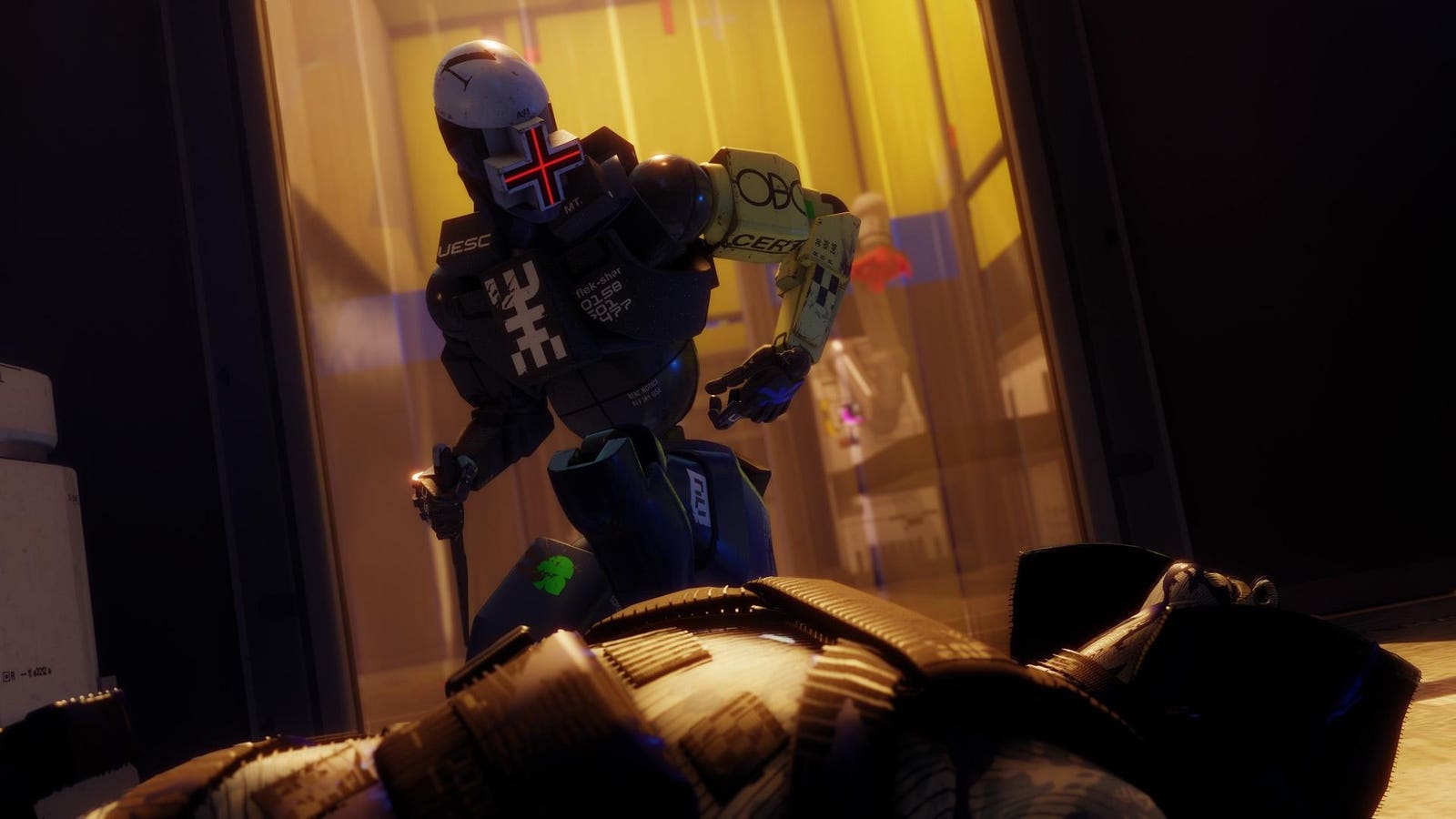
There is a combination of cultural apprehensions against games perceived as embracing diversity. Critics have aimed at the game for its character design, arguing it lacks suitable representation, despite its cast largely consisting of androgynous robots.
Fatigue with Multiplayer Formats
Many players express frustration regarding the abundance of live-service games, preferring single-player or cooperative experiences. Marathon appears to exemplify these frustrations, making it an easy target for critics who long for variation.
Resentment Toward Bungie
Fans express grievances toward Bungie, believing resources allocated to Marathon have come at the expense of improving the Destiny franchise. As player counts for Destiny 2 dwindle, anger manifests as a desire to see Bungie face consequences for their focus.
New Form of Spectatorship
This backlash has transformed into a form of entertainment. Many engage in competitive analysis of Marathon’s performance, turning meaningful discussion into a narrative of failure.
As dynamics around Marathon evolve, it’s clear that criticism will grow or change over time. Whether it garners lasting attention remains to be seen, but the hunt for gaming’s next “flop” continues to captivate the community.
Key Takeaways
- Cultural Sentiment: Criticism includes concerns about representation and adherence to contemporary cultural issues.
- Game Type Fatigue: Many players are weary of multiplayer and live-service formats.
- Frustration at Bungie: There are concerns over resource allocation impacting other franchises.
- Spectator Culture: Tracking game performance has become sensationalized, often prioritizing sensationalism over analysis.
- Future Outlook: The game’s acceptance in the community will evolve as player interactions continue.
By examining the reasons behind the pushback, we can foster a more constructive dialogue around gaming culture.