

Exploring Nature Through a Different Lens
Photographer Jon McCormack’s adventures span from the icy beauty of Svalbard’s caves to diving in British Columbia’s coastline, and even capturing stunning aerial views of Kenya. However, it was a simpler venture near home that sparked a profound transformation in his photographic approach.
During the Covid-19 pandemic, like many, McCormack found his routines disrupted, leading him to embark on nightly coastal walks in Pacific Grove, California, with his camera. This small change would lead to a significant shift in his artistic vision.
As he strolled along the shore, McCormack became attuned to the daily ebb and flow of the environment. “The unique interplay of tide, light, and wind created fleeting compositions that weren’t there the day before,” he recalled. This newfound awareness allowed him to observe intricate patterns shaping the landscape, revealing often-overlooked complexities of nature.
When life gradually returned to normal, McCormack realized his photography had undergone a seismic shift. “I emerged as a different photographer,” he noted, moving from grand landscapes to focusing on smaller, intimate details in his surroundings. “I began to notice these patterns everywhere.”
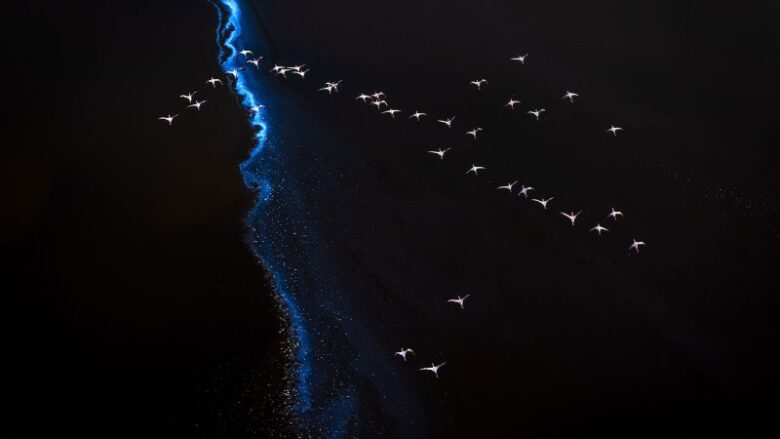
His explorations culminated in his latest publication, Patterns: Art of the Natural World. This monograph features captivating images showcasing familiar yet elusive subjects; from sand dunes that resemble intricate drawings to microscopic life transformed into dazzling jewels.
Interestingly, around two-thirds of the book’s photographs were taken during and after the pandemic, with the remainder sourced from archival work. “After 40 years in photography, I’ve been drawn to patterns all along,” he shared, “even if it wasn’t something I consciously sought.”
Although his journeys span distant landscapes, a key takeaway is: “Nature is always within reach.” The book includes a macro shot of a hibiscus from a friend’s suburban garden alongside images from early beach walks in Northern California.
Ultimately, McCormack aims for his work to connect everyday people with nature. “This isn’t merely a fine art book; it’s designed to be approachable,” he asserts. “My hope is to inspire individuals to step outside, discover the wonders of the world, and potentially ignite a desire to protect it.”
Key Takeaways
- The pandemic prompted a new routine for many, including photographers.
- Local environments can offer rich opportunities for artistic exploration, highlighting beauty in the overlooked.
- A shift from grand landscapes to intricate details showcases the evolution of a seasoned photographer.
- Patterns: Art of the Natural World serves as a reminder of nature’s accessibility and the importance of connection.
- The approachability of art can foster a greater appreciation for the natural world, encouraging viewers to engage and protect their environments.