

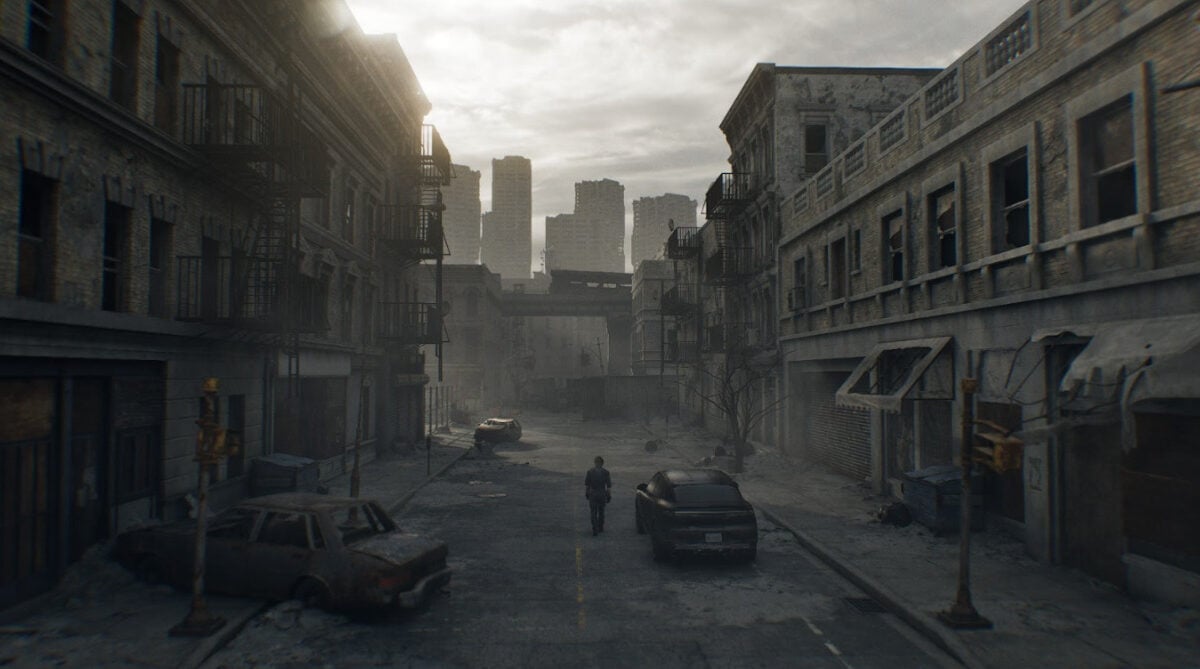
Confronting Shadows: How Resident Evil Requiem Aims to Revive the Franchise
In the world of video games, few series have as storied a history as Resident Evil. The latest chapter, titled Resident Evil Requiem, dives deep into the shadows of its legacy while striving to chart a new course. This installment challenges players to face the vestiges of the series’ earlier narratives, urging them to equip their weapons and confront the demons of the past.
Requiem underscores the unease surrounding the franchise’s long history and the weight of past decisions, particularly through the eyes of returning protagonist Leon Kennedy. The game grapples with what this established heritage means for its future, suggesting that reliance on past game mechanics and imagery may prevent it from evolving.
At the heart of the story is a new complication stemming from the original T-Virus saga: Raccoon City Syndrome. This affliction embodies the trauma that characters like Leon carry decades later, as they grapple with painful memories while being metaphorically stalked by this lingering darkness, symbolizing the franchise’s struggle to break free from its past.
The myriad successes of previous Resident Evil titles have not come without pitfalls. Capcom’s revival of earlier installments, such as the critically acclaimed remakes of Resident Evil 2 and Resident Evil 4, has paradoxically anchored the series in its past rather than catapulting it into new territories. As Resident Evil Village was released, elements tied deeply to the original games crept back into focus, complicating attempts to move forward.
Requiem unveils a transformative journey for Leon as he endeavors to purge the haunting remnants of his past. The character’s nemesis, Ozwell Spencer, plays a critical role in this narrative arc. As Spencer wrestles with his own tortured legacy, he crafts a serum called Elpis, capable of cleansing T-Virus infections. This duality illustrates the themes of guilt and redemption central to Requiem.
Leon’s journey is about vanquishing foes while confronting repeated themes and characters. Players find themselves revisiting iconic locales, like the decaying remnants of the Raccoon Police Department, places that now serve as platforms to exorcise the past through explosive confrontations.
The game’s climax pits Leon against a formidable foe known as the Commander, a character alluding to the infamous HUNK. As Leon engages in this intense confrontation, it symbolizes a necessary purging of the series’ burdens. The realization that even formidable foes succumb to Raccoon City Syndrome emphasizes the grip of the past on all characters.
As players traverse this terrain, Requiem prompts critical reflection on nostalgia in gaming. In a landscape enmeshed in retro revivals, how does one navigate between honoring beloved memories and exploring fresh narratives? The game interrogates the cycle of recycling familiar content with both reverence and grit.
Ultimately, Resident Evil Requiem beckons players to consider whether fixation on historical elements hinders growth. By sparking combat against the franchise’s legacy, the game paves the way for a potential rebirth, encouraging an assault on nostalgia for a vibrant future.
Key Takeaways
- Resident Evil Requiem delves into the franchise’s long history and explores themes of redemption and self-awareness.
- The new complication, Raccoon City Syndrome, reflects the lasting trauma faced by characters decades after their initial trials.
- The game revisits iconic locations, offering a fresh perspective on familiar places and foes.
- Through Leon’s confrontation with the Commander, player battles symbolize the need for resolutions regarding the past.
- The title questions the industry trend of nostalgia versus innovation, challenging players to engage with new narratives.
The post Resident Evil Requiem: Unlocking the Secrets of Yesterday to Forge a Safer Tomorrow appeared first on The Big.