

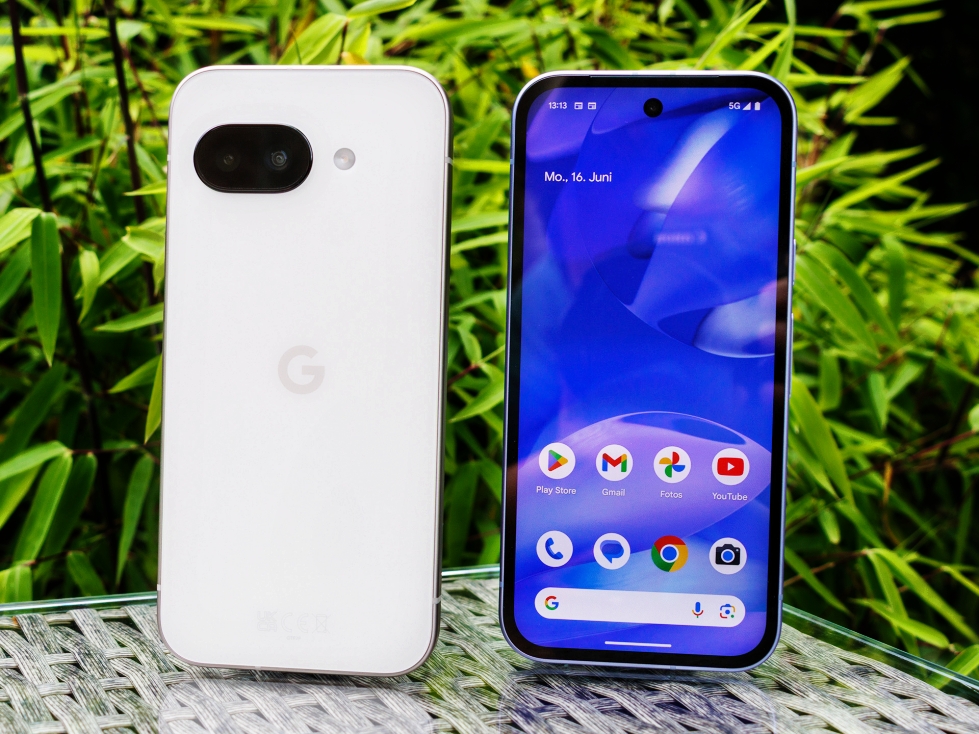
In the fast-paced world of smartphones, not every new device brings significant improvements. The Google Pixel 10a may be seen as superfluous, with minimal enhancements compared to its predecessor, the Pixel 9a.
On paper, the Pixel 10a boasts a few modest upgrades: it’s slightly brighter, equipped with sturdier Gorilla Glass, features marginally faster charging, and has Bluetooth 6.0 and satellite connectivity. However, most of the device remains unchanged, including the same dimensions, 5,100 mAh battery, and Tensor G4 chip. Even the color variations are just slightly brighter versions of previous hues.
This scenario reflects a familiar pattern in the tech industry: incremental upgrades disguised as innovation. Companies often employ this strategy, which can lead to skepticism from consumers. The Pixel 10a appears to reflect a company simply trying to keep up with emerging competitors.
The timing of this release is puzzling when considering alternatives like the Samsung Galaxy S25 FE, which is now available for around $500 with superior features. Such options overshadow the Pixel 10a, making it seem less competitive.
The concern extends beyond market positioning, raising questions about the direction and trustworthiness in producing compelling devices. The Pixel “A” series once stood out as a solid mid-range option, delivering both value and quality. Recent iterations, including the Pixel 10a, fail to uphold that standard, indicating a lack of vision.
Instead of focusing on meaningful progress, Google opted for minor tweaks, making the device feel like a rehash of the previous model. As smartphone sales continue amid growing electronic waste concerns, it may have been wiser for Google to aim for genuine innovation or delay the launch until more substantial upgrades were ready.
Other manufacturers, like Nothing with their Phone (4), are making strides by committing to a more thoughtful release schedule. Consumers should consider the implications of adding to the e-waste crisis when there are alternatives that address core concerns.
Key Takeaways
- Not every new phone model guarantees significant advancements; understanding redundancy is crucial.
- Companies often rely on minor updates to maintain market presence, which can lead to consumer skepticism.
- Comparing options in the smartphone market highlights the importance of value and features over brand loyalty.
- E-waste is a growing concern; consumers should consider the sustainability of new purchases.
- Future innovations should prioritize genuine progress over superficial changes to better serve customer needs.