

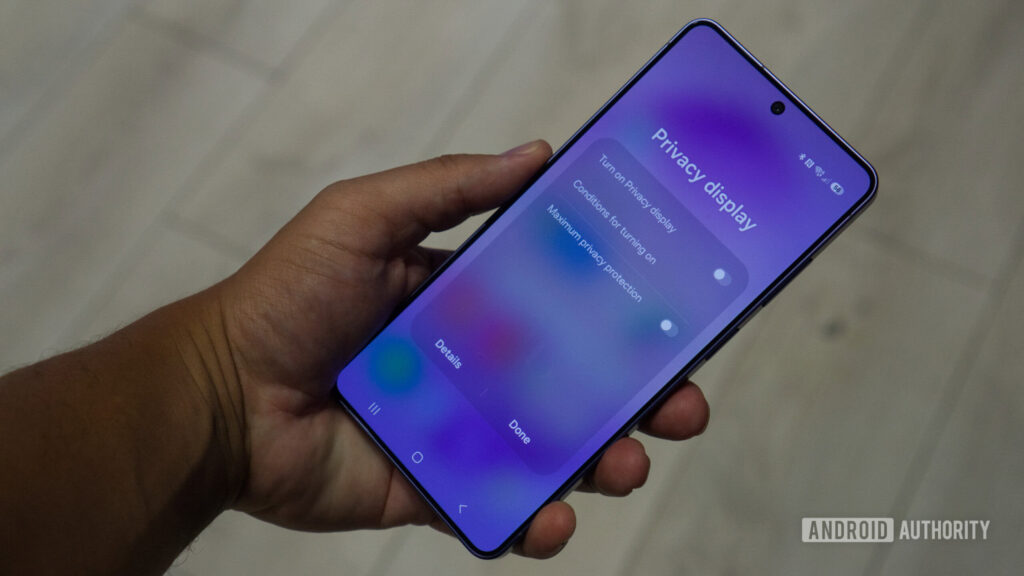
Samsung Galaxy S26 Ultra Raises Concerns About Flicker Sensitivity
The recent unveiling of Samsung’s Galaxy S26 lineup, particularly the Ultra model, has stirred excitement with its novel Privacy Display feature. However, there is a significant concern for users—its low-frequency PWM (Pulse Width Modulation) dimming technology, which could lead to discomfort for those sensitive to flickering displays.
Understanding PWM Dimming
PWM dimming is a technique that adjusts screen brightness by rapidly turning the LEDs on and off. Unlike DC dimming, which regulates the current to each LED, PWM creates fluctuations in brightness that can be imperceptible to the naked eye. However, for some users, especially those with PWM sensitivity, this flickering can bring discomfort, including headaches, eye strain, and nausea.
At lower brightness levels, this issue becomes even more pronounced, making high-frequency PWM dimming essential for many. When this is not available, alternatives such as DC-like dimming could offer relief.
Limited Options for Users
Unfortunately, the Galaxy S26 Ultra doesn’t provide users with much in the way of solutions for flicker sensitivity. Samsung could have easily increased the PWM frequency beyond 1,000Hz to mitigate these issues. Other manufacturers already feature higher PWM rates, even in budget models.
With the S26 series set at a mere 480Hz PWM rate, it stands in stark contrast to the more accommodating performance of competitors, which boast frequencies of 3,840Hz and 2,160Hz, respectively. While the S26 isn’t the worst performer on the market, Samsung’s offerings still lag behind in this crucial area.
Moreover, the absence of DC dimming options or adequate software settings to minimize flicker shows a missed opportunity for Samsung, especially when rival brands are already setting a higher standard.
The Need for Better Accessibility Features
The argument that flicker sensitivity affects a minority of people should not dismiss the importance of accessibility options. The need for features that address flicker is especially vital for those already struggling with light sensitivity. Many people, including chronic migraine sufferers, find that their discomfort worsens under conditions like low brightness—a scenario where PWM dimming’s drawbacks amplify.
Key Takeaways
- PWM Sensitivity is Real: Many individuals experience discomfort due to flickering screens, often without realizing it.
- Higher Dimming Rates Matter: Competitors have set a precedent with devices featuring significantly higher PWM rates, suggesting that Samsung could do better.
- Enhanced Accessibility is Essential: Providing options for flicker reduction can help a broader range of users feel comfortable when using their devices.
- Consumer Awareness is Crucial: Information about display technologies and settings should be more accessible to assist consumers in making informed decisions.
- Everyone Deserves Choices: Bridging the gap in accessibility features isn’t just for those with sensitivities; it benefits all consumers seeking an optimal user experience.
In conclusion, while the Galaxy S26 Ultra has made strides in privacy technology, its shortcomings in addressing PWM dimming sensitivity reflect a need for Samsung to elevate its standards. Improvements in display technology are not just a luxury; they are essential for providing users the comfort and functionality they deserve.