

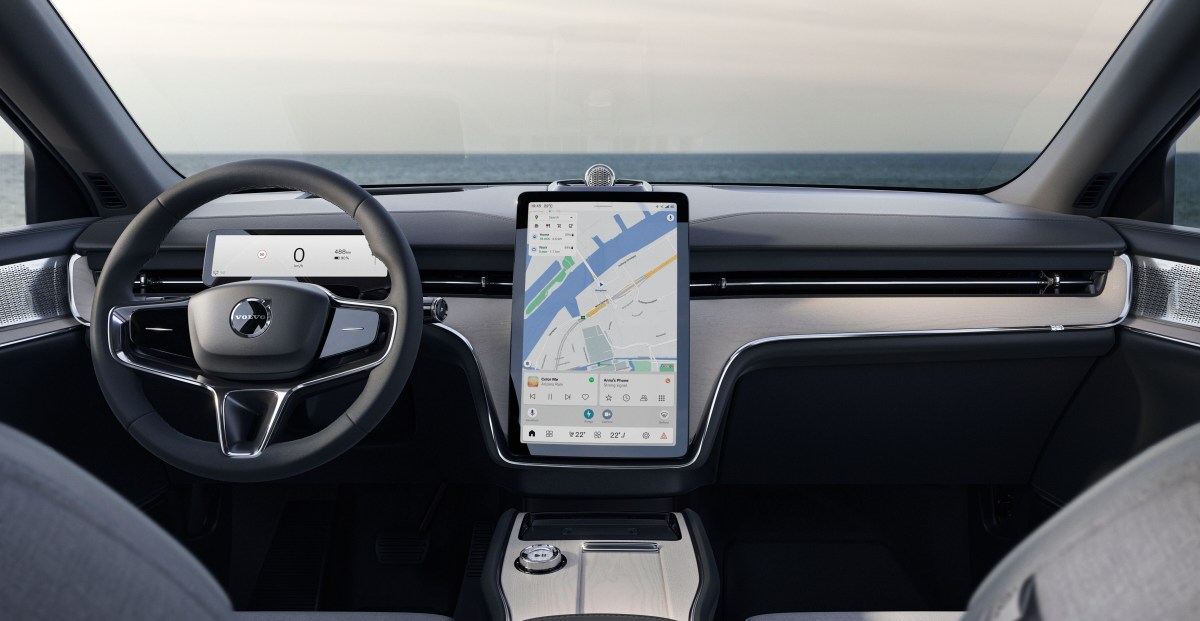
Google Transforms Automotive Technology: Expanding Android’s Role Within Vehicles
Google is redefining its Android Automotive operating system, aiming to integrate deeper into the internal architecture of vehicles. With a new open-source iteration, the goal is to move beyond traditional infotainment systems and establish Android as a benchmark for the industry.
The automotive industry faces a fragmented software landscape, with many automakers using incompatible systems from various suppliers. Google aims to address this issue to enhance user interactions, delivering a smoother and faster interface for updates and features.
The updated software promises improvements in over-the-air updates, advanced voice assistance, and timely notifications regarding vehicle upkeep. Everyday vehicle settings, including climate control and seat adjustments, will operate within the Android framework, creating a seamless ecosystem that extends beyond traditional infotainment.
This approach simplifies software development for manufacturers, allowing them to focus on branding and unique customer experiences. By providing a standardized code and common programming language, Google supports automakers in crafting their tailored experiences.
Google collaborates with industry players to implement its software-defined vehicle version of Android Automotive across various models, with several manufacturers already utilizing the existing system. Competing with Apple, both companies are working to enhance their offerings for deeper integration with vehicle functionalities.
Key Takeaways
- Android Automotive aims for deeper integration into vehicles, beyond infotainment systems.
- The automotive software landscape is fragmented, with many automakers relying on various suppliers.
- Enhancements promise faster updates and a more coherent driving experience.
- Automakers benefit from reduced development costs, allowing a focus on branding and customer experiences.
- Collaborations with companies highlight Google’s commitment to expanding its automotive influence.
- Competition with Apple drives both companies to enhance their offerings for vehicle functionality integration.