



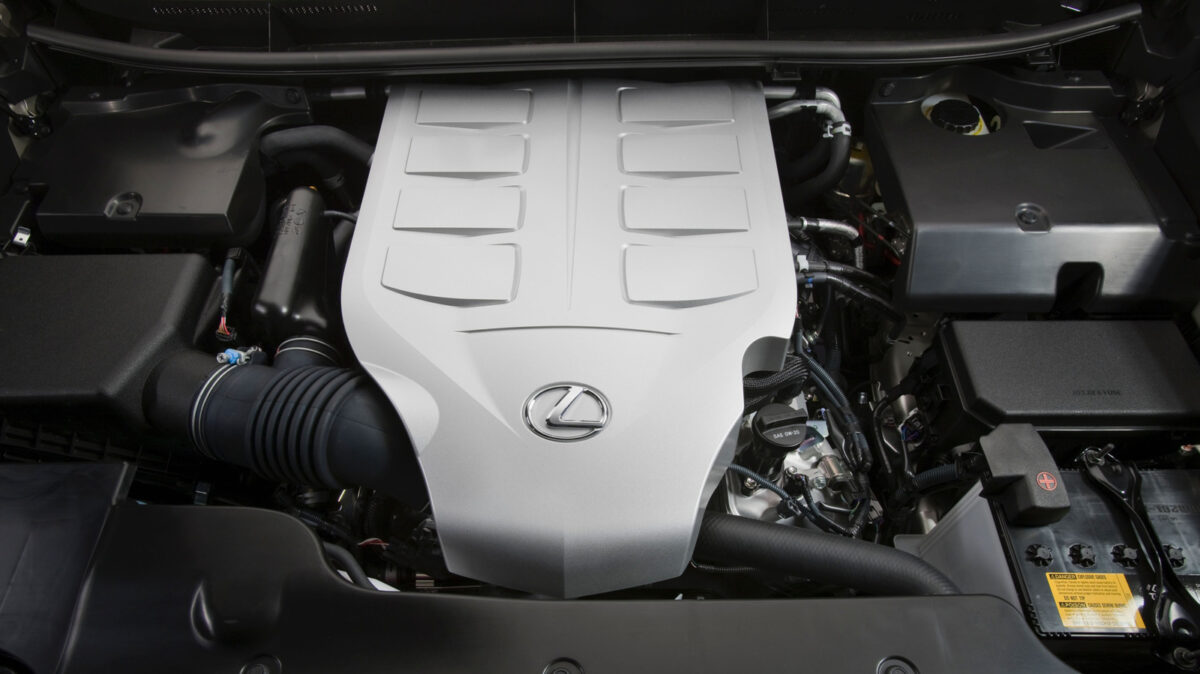
For over thirty years, Lexus has carved out a reputation for reliability that many luxury car manufacturers aspire to replicate. From the groundbreaking LS 400 to the RX and ES series, Lexus has earned widespread trust among its customers. However, no manufacturer is infallible. Scattered throughout Lexus’ engine lineup are a few powertrains that haven’t lived up to expectations. We’ll examine five engines from various periods that have raised concerns among drivers. These include a twin-turbo V6 prone to stalling, a V6 known for turning oil into sludge, a hybrid four-cylinder with excessive oil consumption, a direct-injection V6 that can misfire, and a V8 that has faced fire risks due to recalls.
While many of these issues may have been rectified through recalls or warranty programs, it’s essential to scrutinize the engine if you’re considering a used model like the LX 600, IS 250, ES 300, RX 300, HS 250h, GX 460, or LS 460.
1. 1MZ-FE 3.0L V6
Introduced in the mid-90s, the all-aluminum 1MZ-FE V6 promised to be an excellent luxury engine. It offered effortless acceleration but also became associated with oil-sludge issues. Reports of sludge buildup under the valve covers raised significant reliability concerns, leading to engine oil thickening and potential failure. This issue affected around 3.5 million vehicles from 1997 to 2002.
2. 4GR-FSE 2.5L Direct-Injection V6
The 4GR-FSE engine was introduced in the IS 250 as a compact alternative to the IS 350’s 3.5-liter engine. However, the absence of port fuel injection led to quick carbon deposits accumulation, causing performance issues like check-engine lights and misfires. Owners of used IS models now face potential repair costs.
3. 1UR-FE/1UR-FSE 4.6L V8
The 4.6L 1UR was anticipated as a robust upgrade but faced a critical valve-spring defect in early versions, leading to power loss and engine stalling. This was complicated by a fuel-pressure sensor gasket issue that raised safety concerns, prompting multiple recalls.
4. 2AZ-FXE 2.4L Hybrid Four-Cylinder
The 2AZ-FXE powered the HS 250h, Lexus’s first hybrid-only vehicle. While prioritizing fuel efficiency, it became infamous for excessive oil consumption due to failing piston rings, leading to inadequate lubrication. Lexus addressed this through a Warranty Enhancement Program, but many consumers may now face repair costs.
5. V35A-FTS 3.4 Twin-Turbo V6
The V35A-FTS marked a shift to a more modern turbocharged V6. Despite delivering impressive power, issues arose from machining debris contaminating engines, which could damage crankshaft bearings and cause failures. Recall efforts have been implemented to address these concerns.
Understanding Our Selection Criteria
Lexus is known for reliable luxury vehicles, and this list was curated based on documented issues and official actions such as recalls or extended warranties. It’s important to note that not all vehicles with these engines will encounter problems; many have delivered satisfactory performance over the years.