

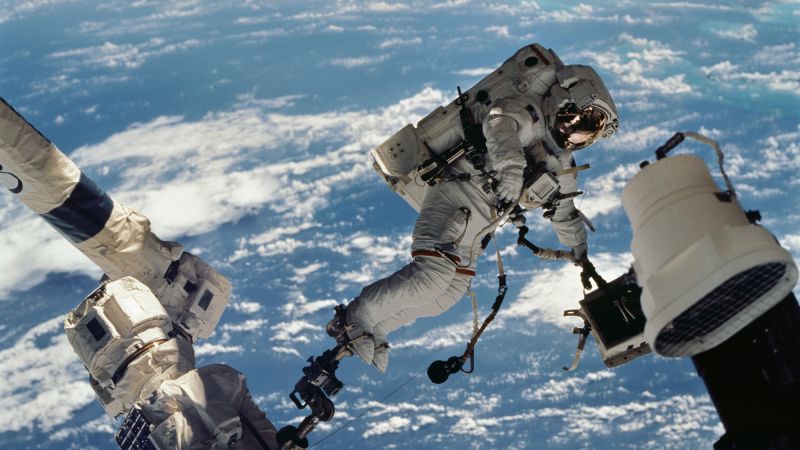
As the United States aims to establish a permanent lunar base, uncertainties loom over its current standing in low-Earth orbit (LEO). The International Space Station (ISS), vital for scientific exploration and international cooperation, faces retirement by potentially as early as 2030. The future of NASA and U.S. interests in space is at stake.
The ISS has hosted nearly 300 astronauts from various nations over its 25 years of operation. Plans for commercial space stations are underway to replace it, expected to support NASA and its international partners.
However, the timeline is tight. A lack of a successor could jeopardize U.S. capabilities in LEO, posing a national security risk. Abandoning this critical orbit without an operational space station could create a significant gap in scientific and exploratory capabilities.
Maintaining a human presence in LEO is crucial, especially as other nations invest in advanced space stations. China’s Tiangong space station, completed in 2022, has begun accommodating astronauts and conducting research. Retiring the ISS without a suitable substitute could shift the landscape of space exploration further toward those investing heavily in infrastructure.
Lawmakers have suggested extending the ISS’s operational timeline until 2032 to ease the transition to commercially-run platforms. However, this extension is not guaranteed, as delays in NASA’s contract proposals have created uncertainty for commercial providers.
Recent bills highlight the urgency for extending the ISS’s life, noting that delays have stalled commercial development. Many private companies dependent on NASA’s guidance for the next generation of space stations currently find themselves in limbo.
Despite these challenges, some commercial ventures are actively seeking funds to expedite their projects. Companies are making ambitious plans, with some targeting launches independent of NASA’s timeline.
Successful commercialization is uncertain without robust contracts from NASA or significant public sector business. The true commercialization of the space sector may still be distant, with government agencies as primary customers.
Experts warn that the U.S. must secure its interests in space while fostering an environment of innovation and collaboration among commercial developers. National security implications extend beyond military capabilities to include economic strategies as LEO evolves into a hub for international commerce.
Maintaining a foothold in LEO is essential, serving as both a symbol of influence and a catalyst for global cooperation. Transforming government contracts into a foundation for businesses may yield advancements in technology and foster international partnerships.
The fate of the ISS and its successors will shape the next era of space exploration. With future lunar missions and Mars exploration reliant on continued research in LEO, ensuring transitional stability is paramount.
Key Takeaways
- Transition Importance: Continuous presence in LEO is essential for scientific research and national security.
- Commercial Ventures: New private companies are securing funds and planning to fill the ISS gap.
- Legislative Support: Recent proposals advocate for extending ISS operations to 2032 amid development delays.
- Economic Impact: LEO’s future is crucial not just for exploration, but as a stage for international commerce and technology.
- U.S. Leadership: The shift toward commercial space stations must not compromise U.S. interests or international partnerships.
Stakeholders must weigh risks and opportunities to maintain a leading role in space exploration.