

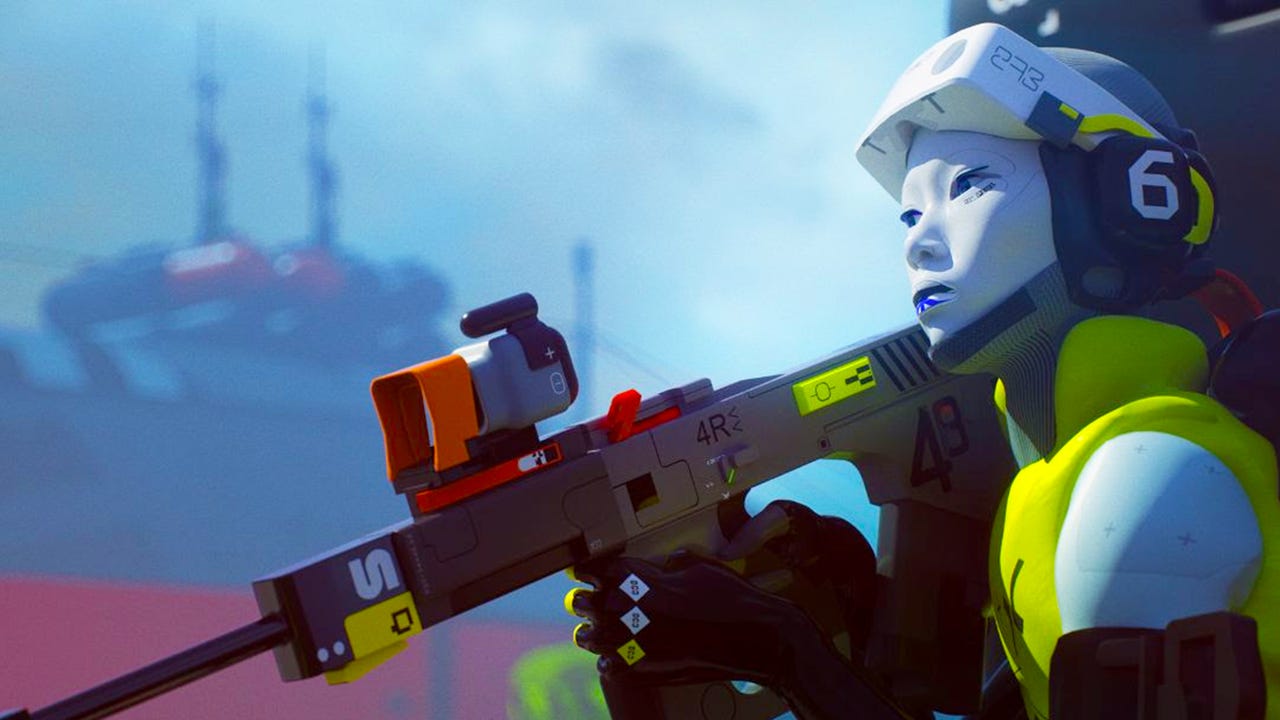
The newly released game Marathon has been generating mixed reviews in terms of sales performance. Despite its lukewarm reception in the market, players who have dove into the gameplay seem genuinely enthusiastic. From its inception, Marathon has sparked conversations about its design and the challenges it poses for gamers.
According to an analysis, Marathon has sold approximately 1.2 million copies, producing an estimated revenue of $55 million across platforms including Steam, PlayStation 5, and Xbox Series X and S. While these figures indicate a solid start, they’re notably below expectations that were set by the game’s developer and its parent company.
Interestingly, just 19% of sales came from PS5 users, while PC gamers accounted for about 70% of the total sales. This could indicate a shift in where players are choosing to game, raising eyebrows about earlier decisions to release games on multiple platforms.
The reported movement back towards exclusives for single-player titles becomes a more significant topic in light of Marathon’s performance. The multiplayer genre, however, seems to remain a focal point for cross-platform releases. Analysts suggest that the numbers speak to a need for a fresh strategy as companies reassess their approach to gaming releases.
The company is under considerable scrutiny following its acquisition. A significant impairment charge related to disappointing performance has put additional pressure on new titles, including Marathon. The departure of a key executive adds another layer of complexity to the situation.
Despite sales numbers that don’t reflect its potential, Marathon maintains an impressive average of 345,000 daily active users. Players are reportedly spending an average of 27.8 hours in-game, a figure that outshines console averages significantly.
The future financial reports will likely shed light on whether Marathon meets commercial objectives. Questions loom about whether the game’s hardcore identity has limited its appeal. Steep penalties for dying—players lose all their gear when they perish—can be frustrating for newcomers and casual gamers alike.
The company has acknowledged the game’s learning curve, promising that it will become easier over time. However, the recently introduced raid experience continues to cater to hardcore fans with its challenging requirements. While the complexity is intriguing, it may be daunting for more casual players.
The company now stands at a crossroads. While Marathon is not failing outright, adjustments might be necessary to attract a wider audience. This could involve creating more accessible gameplay elements or considering new modes, such as single-player campaigns, to reignite interest among different segments of gamers.
Key Takeaways
- Sales Performance: Initial sales figures are lower than anticipated, raising questions about market strategies.
- Platform Preferences: A significant portion of sales comes from PC gamers, which could influence future platform decisions.
- Engagement Metrics: Despite lower sales, player engagement remains strong with high daily active users and average gameplay hours.
- Learning Curve: The steep difficulty may deter some players, suggesting potential opportunities for adjustments.
- Future Directions: Exploring new modes or accessibility features could diversify the player base.
Encouraging a discussion on these points can lead to a better understanding of how to navigate the evolving landscape of the gaming industry.