

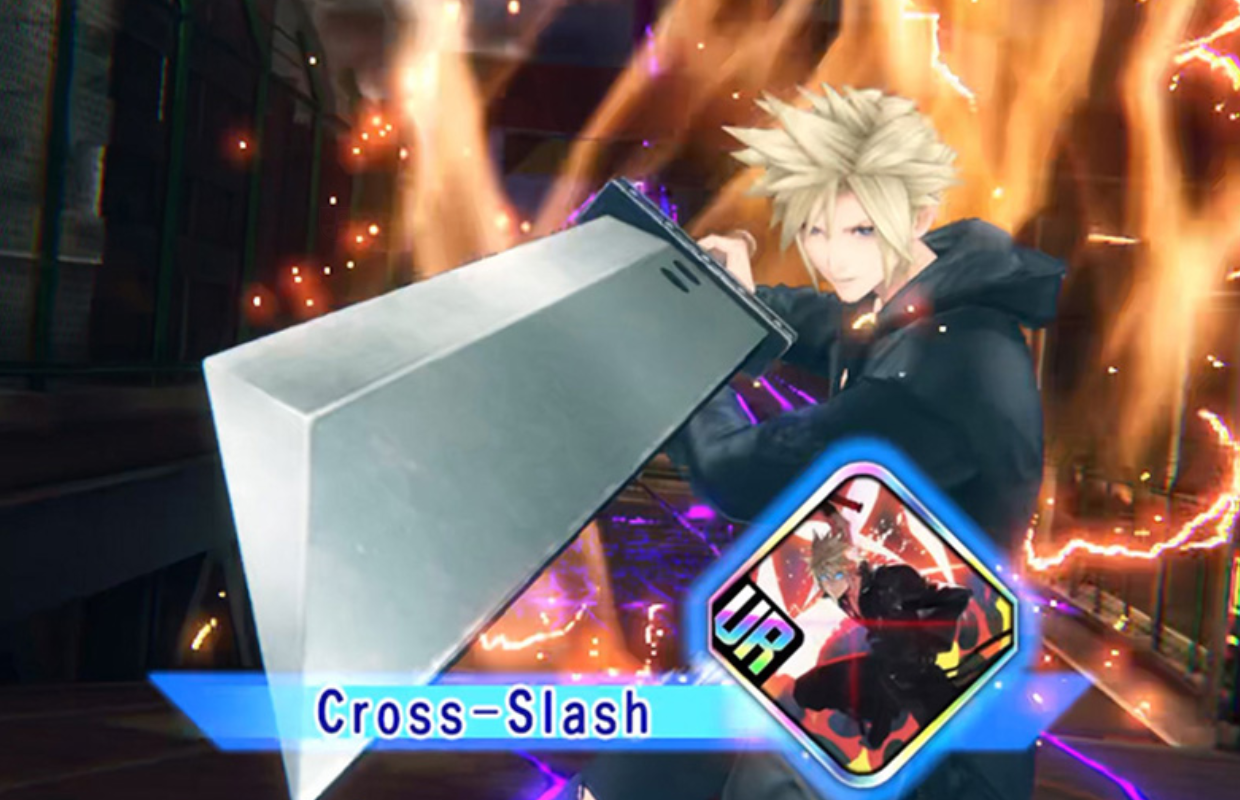
For many gamers, the Dissidia series has long been seen as a potential blockbuster, yet consistency has been its Achilles’ heel. The original titles for PSP showcased delightful character interactions and enjoyable fighting mechanics, but the franchise’s journey since then has been rocky, culminating in uninspired attempts like a baffling arcade version and a mobile RPG that has since been discontinued.
Now we turn our attention to Dissidia Duellum Final Fantasy, the latest venture that raises eyebrows and invites curiosity. After dedicating almost six hours to this game, I find myself intrigued, albeit cautiously optimistic. The allure of seeing beloved Final Fantasy characters in a contemporary Tokyo setting, combined with its fast-paced gameplay, adds a layer of excitement. However, lingering doubts about its lasting charm, especially given Square Enix’s track record with free-to-play models, can’t be ignored.
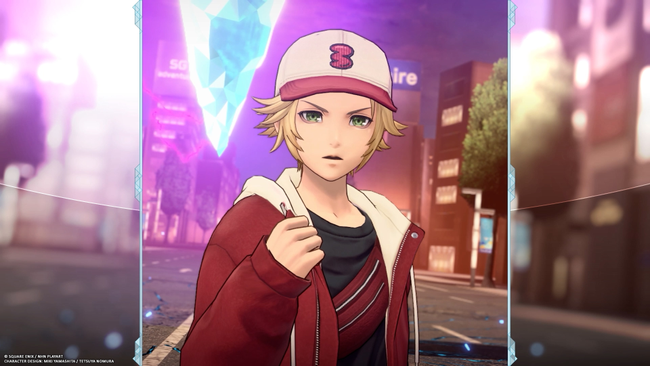
Dissidia Duellum introduces a fresh concept, where iconic heroes grapple with menacing beasts. Set against the backdrop of modern-day Tokyo, players engage in a “3vs3 Team Boss Battle Arena,” racing against time to defeat a monster. This format feels unconventional and somewhat exhilarating, setting itself apart from earlier entries in the series.
At its core, the action remains rooted in the familiar ‘Bravery’ and ‘HP attack’ mechanics, but the execution feels distinct. The game emphasizes speed and teamwork, allowing skilled players to conclude a match in mere moments. At present, Duellum’s gameplay is limited to this boss rush format, where players choose a character and employ various abilities to increase Bravery before launching powerful attacks.
While this fundamental mechanic is engaging, what truly captivates me is how different characters offer varying play styles and team dynamics. Each character feels refreshingly diverse, commanding an individual charm that keeps the gameplay engaging.
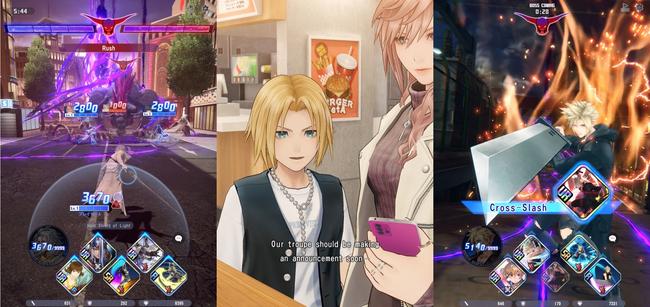
One standout character for me has been Zidane, whose agile moves enable hit-and-run strategies. In contrast, Krile serves a more supportive role, enhancing her teammates but lacking resilience on her own. Then there’s Kain, whose unique jumping abilities grant surprising mobility across the arena, impacting area control.
Despite its simplified approach compared to previous titles in the series, the vibrant character dynamics make the game compelling. Still, I remain wary of how the gameplay might become repetitive and hope for new characters or modes to keep things fresh in the long run.
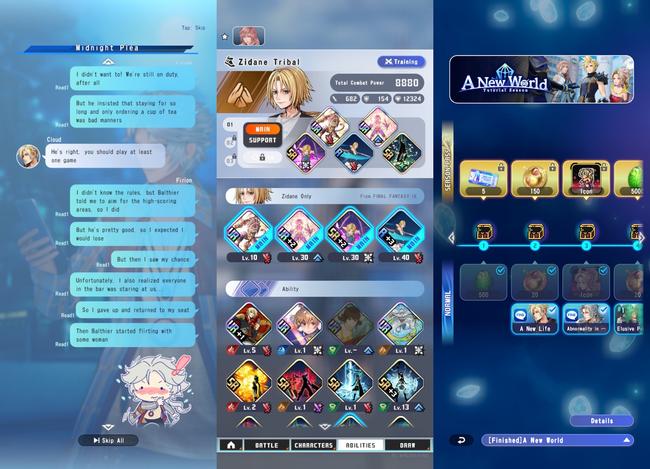
Another pivotal aspect of my experience had to do with the game’s gacha mechanics. In Duellum, drawing characters and abilities feels less intrusive than in some other titles, allowing for a relatively simple approach to building your roster. The game’s structure encourages engagement but requires a certain investment of both time and resources.
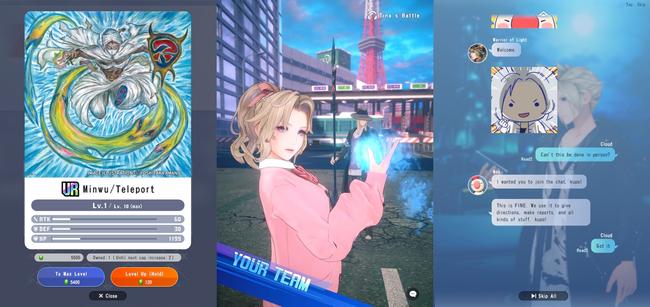
The Season Pass also plays a central role, weaving its story elements alongside the gameplay. As players complete matches, they accumulate points that unlock various rewards, including narrative snippets and character enhancements. However, this connection may lead the narrative to feel somewhat fragmented, as players balance combat with story progression.
The overarching plot involves a mysterious “Committee” aiding characters from the franchise in their battle against enemies, but clarity remains a challenge. While I enjoy character interactions and their acclimatization to life on Earth, my grasp of the story’s direction is still quite vague. Moments like Zidane seeking attention while adjusting his cloaking abilities provide entertaining insights, yet the overarching plotline lacks coherence.
There’s a genuine fondness for the core concepts in Dissidia Duellum, from boss rush sessions to the beautifully crafted visuals. However, concerns about the nature of its gacha mechanics remain. They often feel designed to prolong engagement overly instead of providing a fulfilling experience. My skepticism is shaped by past experiences with similar games that have fallen short, making me cautious about fully committing to Duellum at this stage.
Moving forward, it will be essential for Square Enix to present a robust plan for ongoing content and support, as the success of this game hinges on its ability to engage its player base. The fusion of these beloved characters with fresh storytelling opportunities is compelling, and I truly hope this game can navigate its challenges successfully.
Key Takeaways
- The gameplay offers an engaging mix of speed and teamwork, fostering dynamic interactions.
- Character diversity enhances the experience, as distinct abilities contribute to varied strategies.
- The gacha system is less intrusive compared to other mobile games, but still requires investment.
- The connection between story and gameplay may feel scattered, impacting narrative immersion.
- There is potential for growth through continuous updates and additional content, critical for long-term player retention.